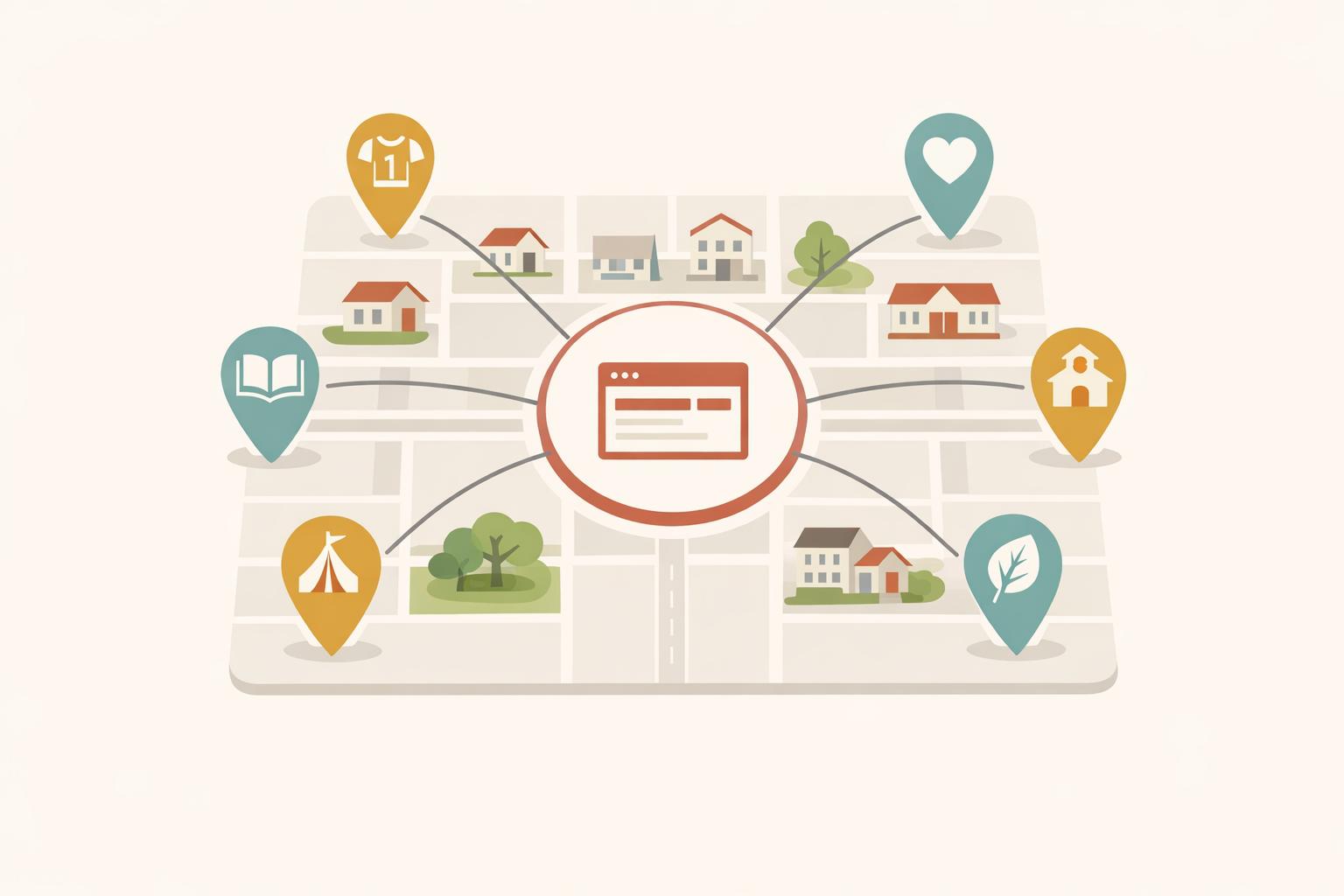
For small and local business owners, earning visibility in the competitive local search landscape can feel like an uphill battle. If your Google Business Profile is optimized and your website is solid, but your rankings still haven’t broken into the coveted Google Map Pack, there’s a high chance you’re missing one critical ingredient: external links that signal trust and authority in your local area.
This guide uncovers an often-overlooked but highly effective tactic for local SEO - leveraging local sponsorship links. These links are not only affordable and impactful, but they also provide a long-term boost to your search engine rankings. Let’s explore why they matter, how to find them, and how to integrate them into your broader SEO strategy.
In the world of local SEO, not all links are created equal. While generic backlinks may provide some value, local sponsorship links carry unique advantages that can directly impact your visibility on Google. Here’s why they’re so powerful:
In short, sponsorship links don’t just tell Google that you "exist" in a location - they prove that you’re an active and trusted member of the local ecosystem.
The beauty of local sponsorship links is that they’re "hiding in plain sight." By using smart Google search techniques, you can uncover a treasure trove of sponsorship opportunities tailored to your specific location. Follow these steps:
Open a Google search and type the following:
[Your City] inurl:sponsors
For example, if your business is located in Austin, Texas, type: Austin inurl:sponsors. This query surfaces web pages that include your city name and the word "sponsors" in their URL.
To make the results more digestible:
Not all sponsorship opportunities are created equal. Prioritize those with:
When reaching out, keep it simple and genuine. Avoid using SEO jargon, and instead focus on supporting the organization. For example:
"Hi, I noticed your sponsorship page and wanted to see if you’re currently accepting local business sponsors. I’m based in [City] and would love to support what you’re doing."
This approach opens the door to building a partnership while finding out their sponsorship requirements and costs.
Not all sponsorship opportunities are worth pursuing. Here’s how to ensure you’re making smart investments:
Only pursue sponsorships in cities where you actively provide services. For instance, if your business is based in Austin, you might also target nearby areas like Round Rock or Cedar Park. Avoid irrelevant locations, as they dilute the local value of your links.
Anchor text links accompanied by a detailed blurb about your business provide more context to Google, further boosting your local SEO performance. This combination helps Google understand your services and service areas better.
Verify that your links are "do-follow" to ensure they pass SEO value to your website. Avoid sponsorships where links are marked as "no-follow."
Sponsorship links are most effective when used after foundational SEO work is complete. Before pursuing this tactic, ensure you’ve already optimized the following:
Once these elements are in place, sponsorship links act as a next-level strategy to boost your rankings in the local search pack.
Avoid these pitfalls to ensure your sponsorship efforts yield maximum results:
By integrating sponsorship links into your broader strategy, you can strengthen your local authority, stand out in search results, and build trust with both Google and your community. For small businesses, this tactic offers the perfect combination of affordability, simplicity, and long-term impact.
Source: "The BEST Local SEO Link Strategy Almost No One Knows About" - BKA Content, YouTube, Feb 4, 2026 - https://www.youtube.com/watch?v=mMU_xoZSJJM
Discover strategies to elevate your business.