Ever wonder why ChatGPT skips over your business when recommending local services? The issue often boils down to missing or inconsistent data across online platforms. AI tools like ChatGPT rely on structured, verified information from multiple sources to confidently recommend businesses. If your details aren't complete, consistent, or visible across key directories, you're likely to be ignored.
Key reasons your business isn't being recommended:
Quick fixes to get noticed by AI tools:
AI doesn't browse the internet like a person would. Instead, it pulls data from a mix of trusted sources - like Yelp, Reddit, Google Business Profile, Trustpilot, industry directories, and "best of" lists - to find a consensus. The more consistent and verified your business information is across these platforms, the more confident AI becomes in recommending you.
"One source is an opinion. Five sources saying the same thing is consensus - and consensus drives AI recommendations." - Lesli Rose, AI Discoverability Expert [8]
Here’s a key stat: brands are 6.5 times more likely to be mentioned via third-party sources than their own website [7]. So, relying on your homepage alone won’t cut it. Your business needs to be visible and consistent across multiple platforms to establish trust and credibility with AI.
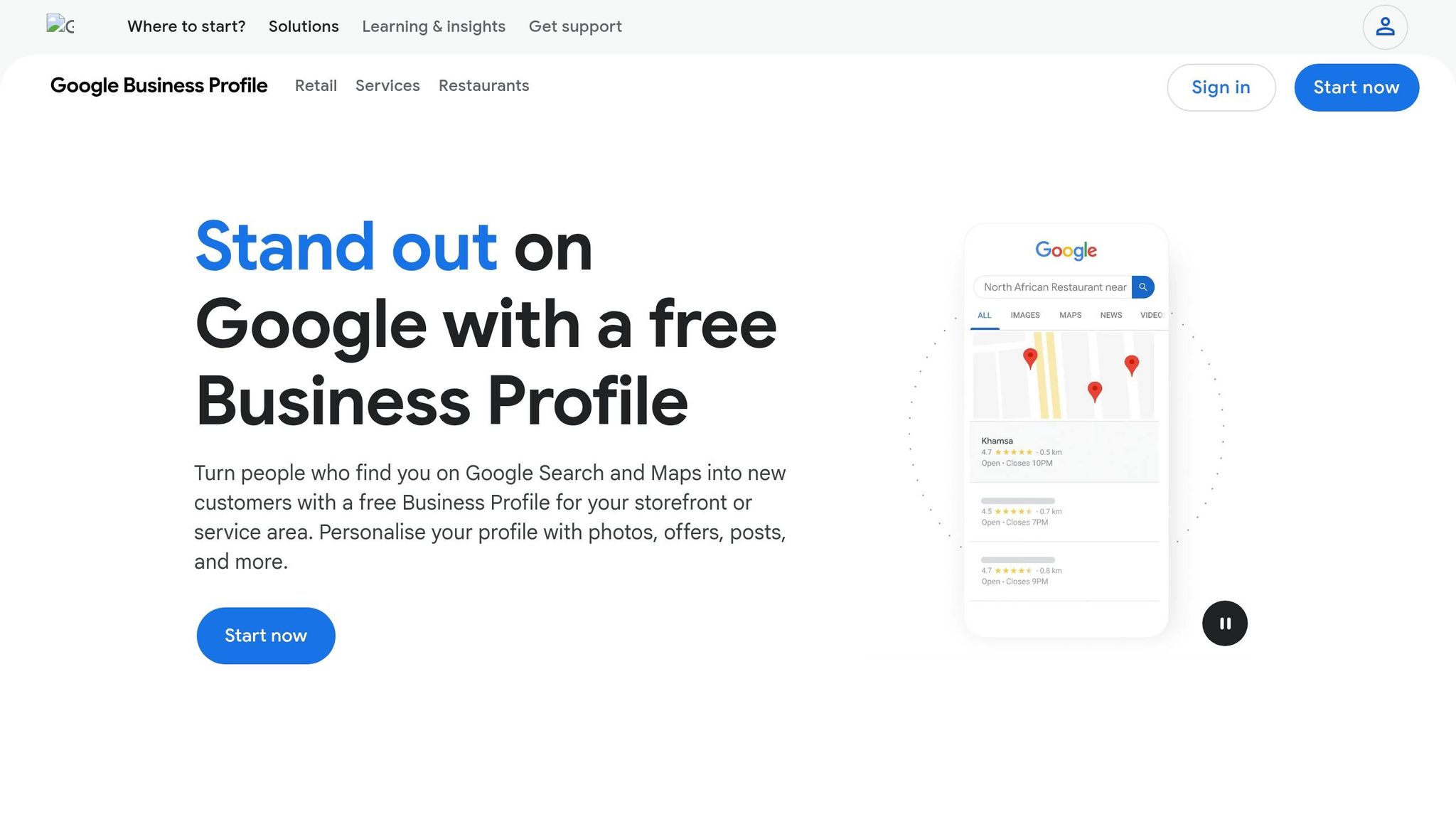
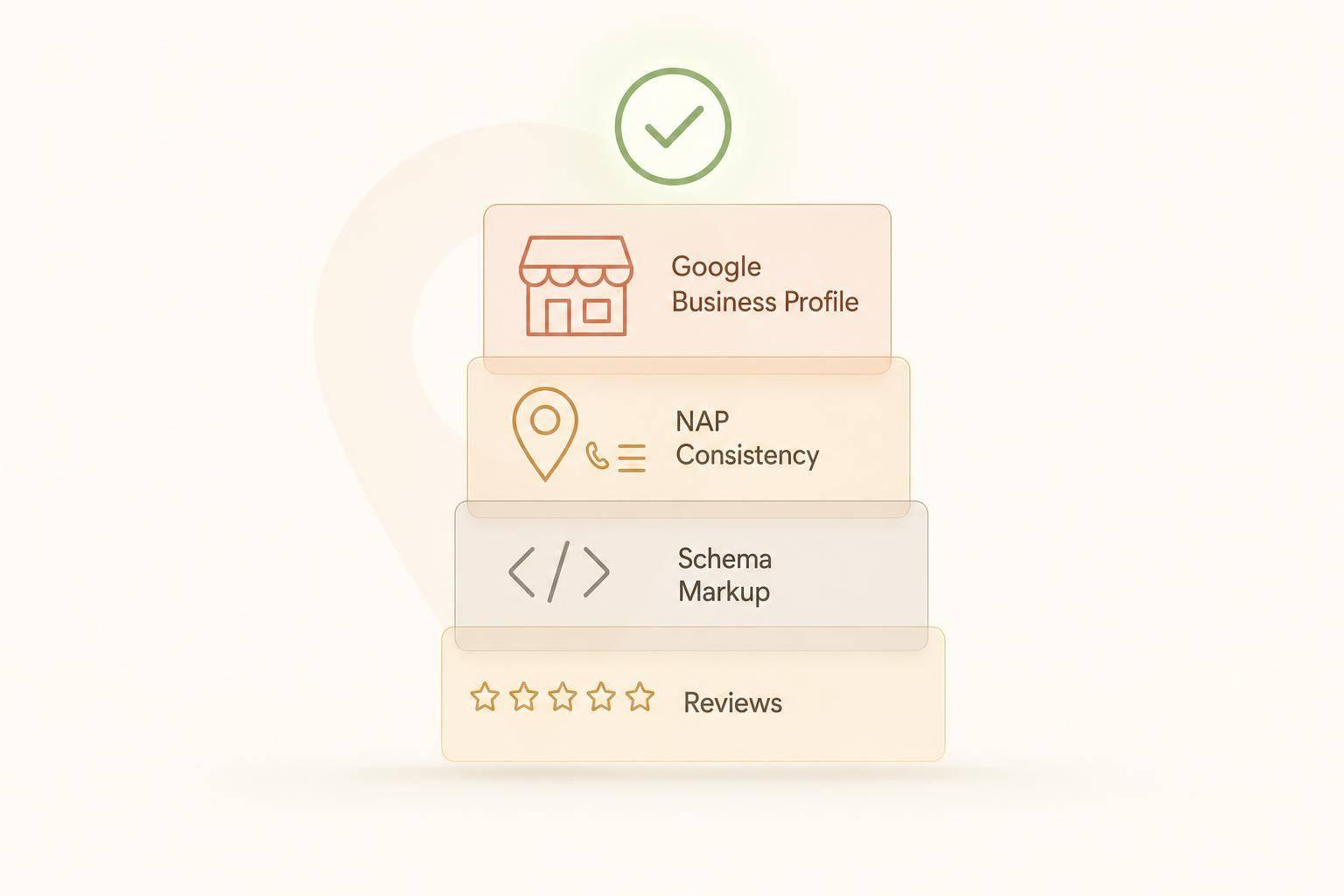
Your Google Business Profile (GBP) is one of the first places AI tools check to verify your business exists. If your profile is incomplete - missing hours, outdated contact info, or unclear categories - it weakens your visibility. This is especially critical because ChatGPT’s real-time search relies on Bing, which indexes GBP data. An incomplete profile could leave your business invisible to AI-powered queries.
Reviews also play a big role. Testing shows businesses need at least 25 Google reviews with a 4.3+ rating before AI tools begin recommending them for local searches [5]. Even if your GBP meets review thresholds, inconsistencies between your GBP and other listings - like "St." versus "Street" in your address - can create doubt. AI won’t recommend a business it perceives as unreliable [2].
Generic phrases like "we provide quality service" don’t cut it. AI tools prioritize specific, factual statements that can directly answer user queries. What they’re looking for are concise "answer blocks" of 40–80 words that clearly address potential customer questions [4].
Content tied to real people also performs better. As Subia Peerzada, Founder of Cite Solutions, explains:
"Pages with no human attached read as anonymous content to the model. Anonymous content gets cited far less often than work tied to a real person." [4]
Adding author bylines, a detailed "About" page, and mentions of your business elsewhere online helps make your brand more recognizable and trustworthy to AI.
But it’s not just about your website. A strong base of online reviews is equally important in building credibility.
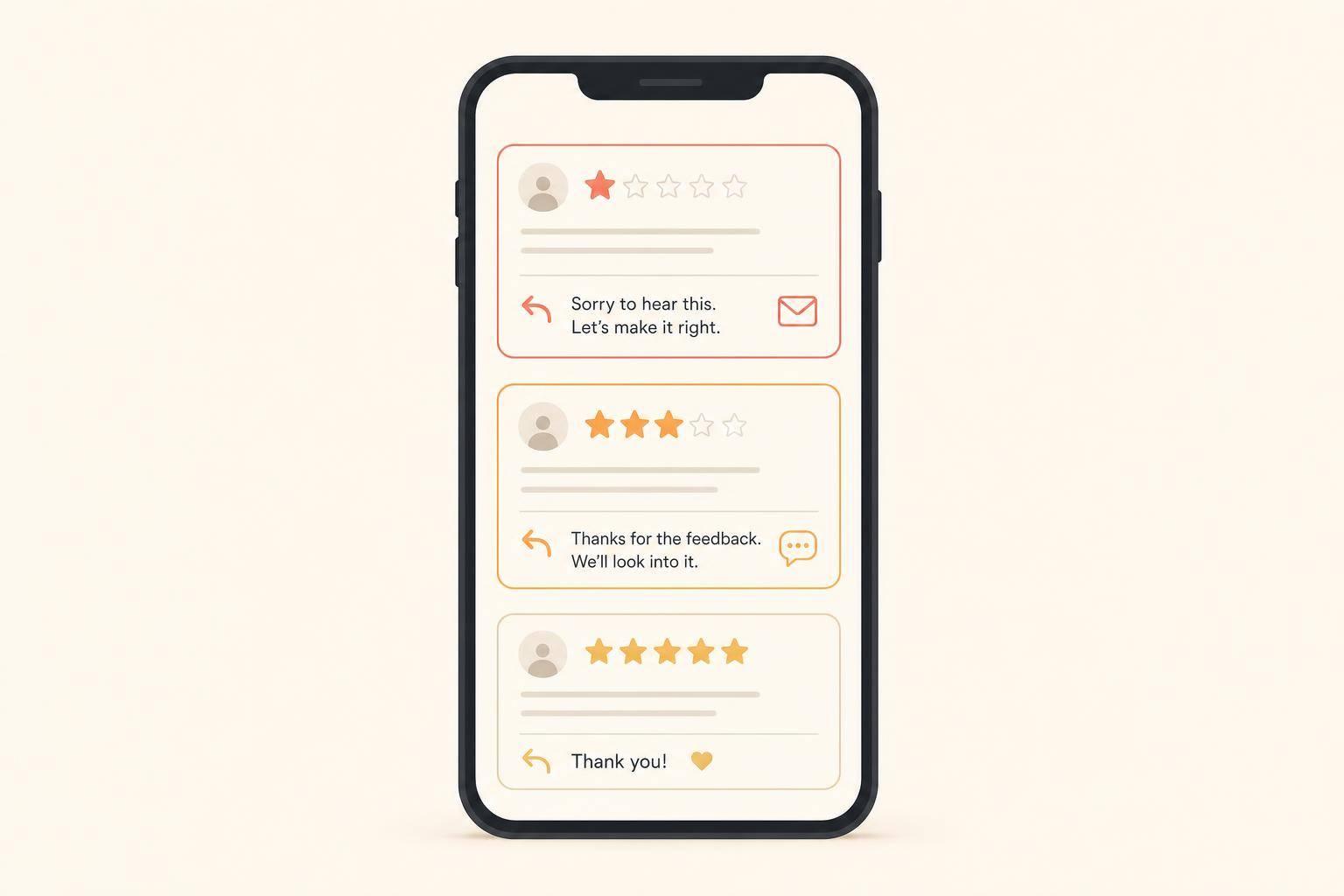
Reviews aren’t just for show - they’re a key trust signal that AI tools actively measure. Recent, detailed reviews matter more than older ones, and businesses see a big boost in visibility after surpassing the 50-review milestone [1]. AI doesn’t just stop at Google reviews; platforms like Yelp, Trustpilot, and niche directories also come into play. A presence on multiple review sites signals consistent demand and reliability, while relying on just one platform can make your business seem less established.
Structured data, like LocalBusiness JSON-LD schema, is how your website communicates directly with AI tools. It tells them who you are, what you do, and where you’re located. Without it, AI interprets your site as unstructured text, which makes it harder to verify your business [2].
"AI search engines weight different signals than traditional Google: structured data > backlinks." - Isaiah Grant, Founder, Rebuilt Studio [3]
Outdated or incorrect schema - like an old address or a misspelled name - can hurt your credibility even more than having no schema at all. Many small business websites are missing key structural signals, and those with fewer than four out of eight critical signals are rarely cited by AI [3].
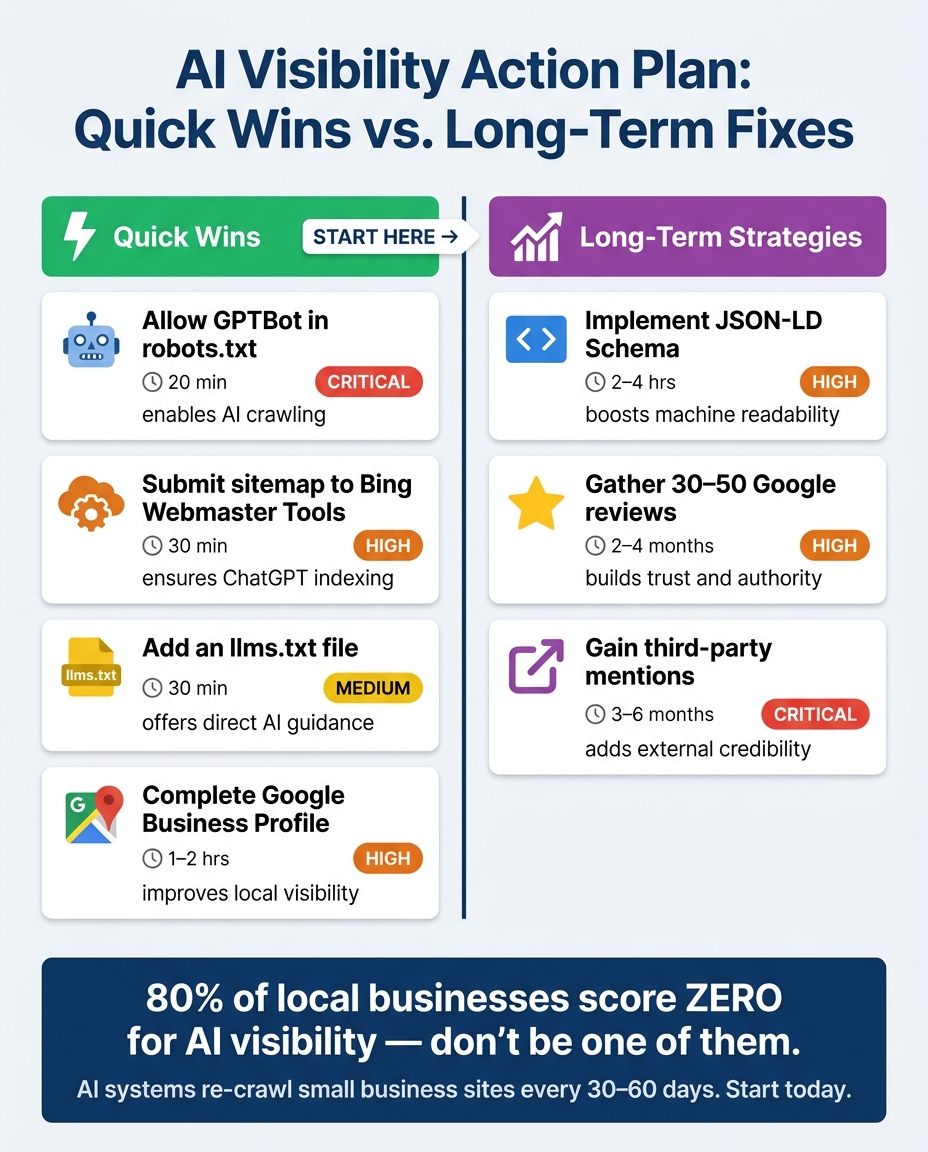
Quick Wins vs. Long-Term Fixes: AI Visibility Action Plan for Local Businesses
To address the visibility challenges AI tools encounter with your business, these steps focus on refining your online presence and ensuring your information is reliable and accessible.
Your Google Business Profile (GBP) has evolved from a simple listing to a critical data source for AI tools like Google AI Overviews, Gemini, and even ChatGPT. These tools now prioritize data completeness over proximity. In other words, a fully optimized profile can outperform one that's incomplete, regardless of location.
Here’s how to make your GBP shine:
Once your GBP is optimized, make sure your local SEO signals are consistent across all platforms.
AI tools cross-check your business information across multiple platforms to verify your credibility. Even minor inconsistencies in your Name, Address, and Phone (NAP) details can hurt your visibility.
"Clean, consistent entity data is the highest-leverage optimization action for local AI search visibility." - Ishtiaque Ahmed [11]
Start by auditing your NAP information across your website, GBP, Yelp, Bing Places, and other directories like Nextdoor. Keep in mind that 86% of the sources AI tools reference don’t overlap across platforms like ChatGPT, Perplexity, and Google AI Overviews [11]. Expanding your presence across multiple directories ensures broader reach.
Additionally, check your robots.txt file. Many small businesses unknowingly block AI crawlers like GPTBot, ClaudeBot, and PerplexityBot. Explicitly allowing these bots ensures they can access and cross-reference your website content with your GBP data [9].
Once your local signals are clean, structured data on your website can further solidify your credibility.
Schema markup acts as a clear signal for AI, helping it understand who you are and what you do. Without it, your website may appear as unstructured text to these tools [2].
For local businesses, implement the following schema types using JSON-LD in your site’s code: LocalBusiness, Service, FAQPage, and Organization. Pair FAQPage schema with plain-text answers within the first 800 pixels of your page [3]. Also, ensure reviews and certifications are displayed as text rather than images so they can be easily parsed by AI [3]. Adding a plain-text /llms.txt file to your root domain provides a structured summary specifically for AI crawlers like GPTBot and ClaudeBot [3][2].
Generic service pages won’t cut it. AI tools need specific, detailed content to understand and recommend your business.
Create unique pages for each service and location, aiming for 120–180 words per page. Avoid duplicate content at all costs. Websites with a total word count exceeding 2,900 words see a 60% increase in AI citations [11].
Incorporate local references, such as landmarks or neighborhood-specific challenges your business addresses, and include genuine customer testimonials. If possible, tie your content to a recognized expert by using named author attribution. This can boost your chances of being cited by up to 340% [11].
When it comes to AI visibility, the content of your reviews matters more than the total number. Review content has a correlation of 0.71 with AI search visibility, compared to just 0.12 for raw review count [11]. Encourage customers to leave detailed reviews that mention the specific service and location, like “Best HVAC repair in Austin.”
Don’t stop at reviews. Seek mentions in local news outlets, neighborhood blogs, and niche directories. These third-party validations strengthen your credibility. Businesses featured in AI Overviews receive 35% more organic clicks than those that aren’t [10]. Every mention adds to your multi-source presence, making your business more trustworthy in the eyes of AI tools.
Finding the right tools to identify and fix issues is essential. Here’s a breakdown of some resources that can directly support the improvements we’ve discussed.
Several tools can help you optimize your AI visibility without needing advanced technical skills. For instance, ScanMyGEO provides an "AI Recommendation Score" by evaluating your online presence across multiple platforms. Their Pro plan starts at just $9.99/month for up to three domains. Amisora offers a helpful AI readiness audit with 20 free page credits to get started. Another option, Screaming Frog SEO Spider, allows you to crawl up to 500 URLs for free, making it easy to locate broken links and missing metadata that might hinder AI crawlers.
If you’re interested in tracking AI mentions of your brand, tools like Peec.ai and Otterly.ai monitor your presence across platforms such as ChatGPT, Perplexity, Gemini, Claude, and Grok. These services typically range between $100–$500/month, depending on the volume of queries. While this might seem like a bigger investment, it’s a smart move once you’ve laid the groundwork for your online visibility.
"AI search doesn't care about your budget - it cares about your authority." - Tallal Khan, Tallal Technologies [6]
For schema markup, Google's Rich Results Test and Merkle's Schema Markup Generator are excellent free tools. They assist in creating and validating the JSON-LD code that helps AI systems understand your business. If you’re using WordPress, plugins like RankMath or Yoast SEO can automate much of the schema markup process, so you don’t have to deal with code. These tools align with earlier recommendations to refine your online presence.
For small business owners looking for budget-friendly options, Humble Help provides three free tools to get started.
These tools are perfect for businesses just starting their journey toward better AI visibility. While they won’t replace a comprehensive SEO strategy for small businesses, they’re a great way to remove the guesswork and take the first steps toward building a stronger online presence.
Getting your business recommended by AI tools like ChatGPT boils down to sending clear, consistent, and trustworthy signals. The good news? Most of the necessary adjustments are straightforward and can be tackled quickly, some in under an hour. Here’s a summary of the key actions to boost your visibility with AI systems.
"The first business in your market to fix this wins the AI recommendation - and AI systems strengthen their recommendations with early improvements. Being first matters more than being best." - Dustin Crump, Found For AI [12]
Use this checklist to pinpoint gaps in your AI readiness and make immediate improvements. These steps align with earlier advice on optimizing your online presence and structured data.
GPTBot and PerplexityBot allowed in your robots.txt file?site:yourdomain.com on Bing.)LocalBusiness JSON-LD schema?llms.txt file to your site’s root directory?If you’re missing several of these elements, your business could be among the 80% of local businesses that currently score zero for AI visibility [1].
Some tasks can be completed quickly, while others require more time but yield lasting benefits. Focus on a mix of immediate actions and longer-term strategies.
| Type | Task | Time Required | Impact |
|---|---|---|---|
| Quick Win | Allow GPTBot in robots.txt |
20 minutes | Critical - enables AI crawling |
| Quick Win | Submit a sitemap to Bing Webmaster Tools | 30 minutes | High - ensures ChatGPT indexing |
| Quick Win | Add an llms.txt file |
30 minutes | Medium - offers direct AI guidance |
| Quick Win | Complete Google Business Profile | 1–2 hours | High - improves local visibility |
| Long-Term | Implement JSON-LD Schema | 2–4 hours | High - boosts machine readability |
| Long-Term | Gather 30–50 Google reviews | 2–4 months | High - builds trust and authority |
| Long-Term | Gain third-party mentions | 3–6 months | Critical - adds external credibility |
Start with the quick wins to remove the most common blockers right away. Over time, focus on generating reviews, refining your schema markup, and securing mentions from reputable third-party sources. AI systems typically re-crawl small business sites every 30–60 days, so the changes you make today could start showing results within a month or two [3].
Most small businesses start to see improvements in AI visibility within 4 to 8 weeks after implementing changes. However, if you're taking a more organic, DIY approach, it might take 3 to 6 months before you notice measurable progress. The exact timeline often hinges on factors like the quality of your optimizations and how established your business's online presence is.
Some of the most important directories to list your business on include Google Business Profile, Yelp, Bing Places, BBB, and other platforms specific to your industry. These directories, along with review sites like Trustpilot and G2, play a big role in establishing trust and boosting your visibility online.
To get the most out of these platforms, make sure your profiles are accurate, complete, and consistent. This not only strengthens your credibility but also helps improve how AI-driven systems recommend your business. When your information is optimized and up-to-date, it becomes easier for potential customers to find you.
If coding isn’t your strong suit, don’t worry - there are simple ways to help AI better understand your business. Start by adding structured data, such as Organization, Service, or LocalBusiness schema. These schemas provide clear information about your business, making it easier for AI to interpret. You can use tools like Google's Structured Data Markup Helper to make this process straightforward and user-friendly.
Another helpful step is creating an llms.txt file. This file should include essential details like your business name, the services you offer, your location, and relevant URLs. Once it’s ready, upload it to the root domain of your website. These small yet impactful actions can boost your visibility to AI systems - no coding expertise required.
Discover strategies to elevate your business.