In today’s competitive world of local business, visibility is everything. For small and local businesses, from home services to retail and professional services, being found by customers at the right time can make or break success. The secret to thriving in the digital age lies in mastering local SEO (Search Engine Optimization) - a powerful combination of strategies covering Google Maps, AI-driven search, and multi-faceted ranking approaches.
Chris Palmer, a seasoned SEO expert, sheds light on the evolving landscape of local search and provides actionable tactics for businesses looking to dominate their local markets. This article distills key insights from his discussion on the interplay between SEO, paid ads, and modern search tools.
Local SEO is no longer about ranking for a single keyword or relying solely on organic traffic. Chris argues that businesses must adopt a comprehensive approach integrating multiple channels to maximize their visibility. Below are the foundational elements of an effective local SEO strategy:
Paid advertising options like Local Service Ads, Google Ads, and even platforms such as Facebook or Reddit create immediate visibility. Chris emphasizes that ads provide an instant return on investment compared to the slower nature of organic SEO. By showing up at the top of search results, businesses can capture leads without waiting months for rankings to improve.
"Ads will always come first because you can make money today", Chris explains. "SEO might be free traffic, but it’s a long-term game."
Quick Tip: If your budget allows, prioritize paid ads for immediate lead generation while building your SEO strategy in parallel.
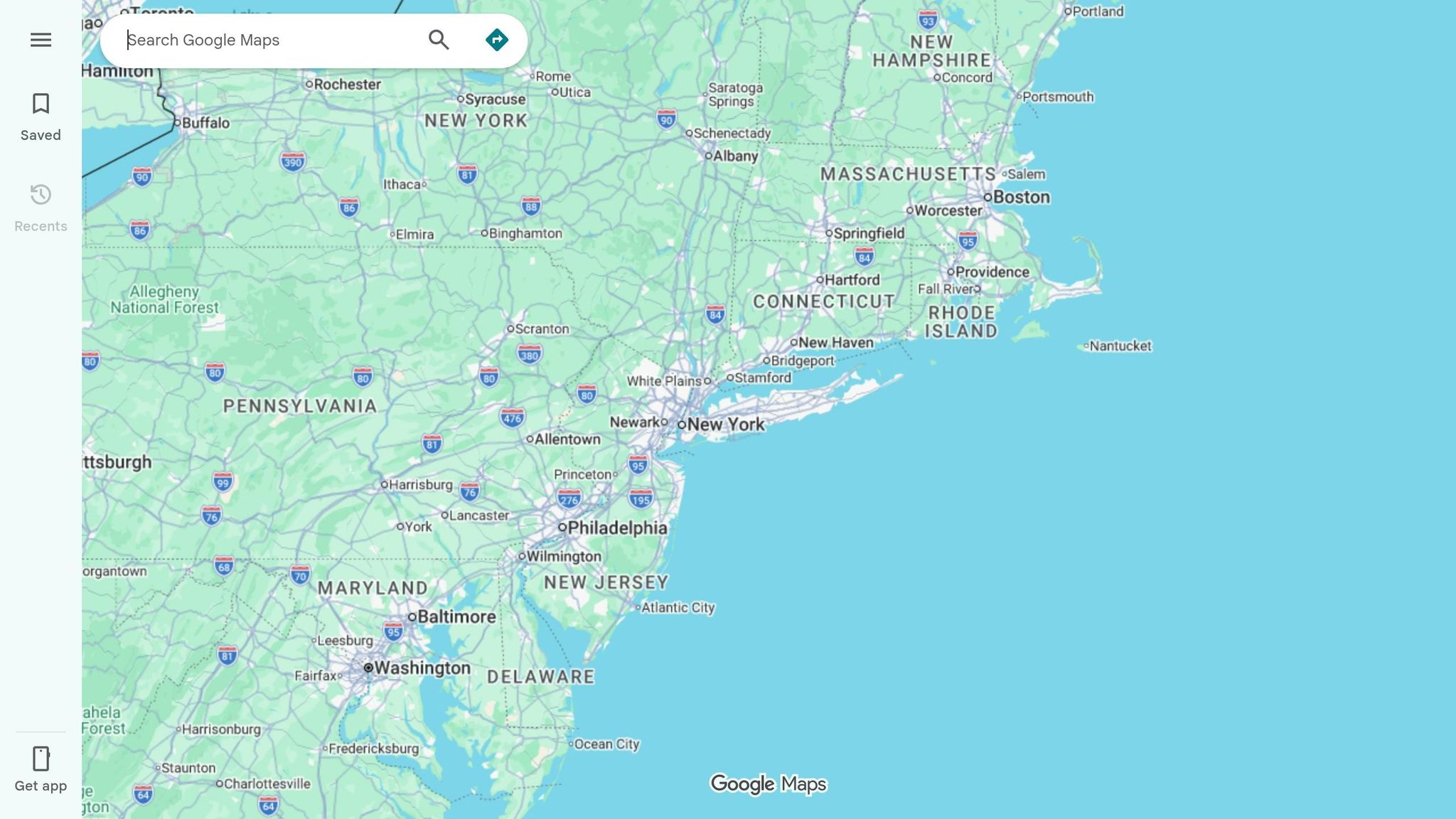
Google Maps plays a critical role in local search, especially for service-based businesses. Chris highlights the importance of appearing in the local map pack (the top three map listings) since proximity to the searcher often outweighs other ranking factors.
His strategy? Drop "lures" - setting up service area businesses in strategic north, south, east, and west locations within a town. This ensures consistent visibility across the region, regardless of where a customer is searching.
Pro Tip: If you’re launching new locations, focus on smaller towns where competition is lighter. Proximity-based rankings can give you a major edge.
While paid ads and Maps provide immediate exposure, organic rankings are still critical for building sustained brand authority. Chris stresses the importance of creating service-specific pages for every location you serve and optimizing for bottom-of-funnel queries (e.g., "[service] near me" or "[service] in [city]").
"Answer every query your customers might have, from ‘What is this service?’ to ‘How much does it cost?’ and ‘Who is the best?’" Chris advises. By addressing customer needs at every stage of their decision-making process, you can capture and retain more leads.
Chris is candid: relying only on SEO is a mistake. Despite the allure of "free traffic", SEO works best when combined with other strategies. From Maps to social media and ads, diversified visibility ensures businesses show up at every touchpoint where potential customers are searching.
He explains this with an example: when someone searches for a service on their phone, they’re likely to see a combination of ads at the top, Maps in the middle, and organic results below. To dominate, you need to appear in all three areas.
"If there’s limited real estate at the top, why wouldn’t you take every opportunity to show up? Ads, Maps, and organic are the slam dunk", Chris says.
Many local businesses overlook social media, but Chris emphasizes its importance for building authority. Platforms like Facebook, Twitter (now X), Reddit, and even YouTube serve as citations that reinforce your brand’s credibility. He explains that having a presence across these platforms signals to Google that you’re a legitimate, authoritative business.
"Real brands are found everywhere", Chris asserts. "Socials play a massive part in establishing trust and authority."
Chris advocates for creating both top-of-funnel (educational) and bottom-of-funnel (high-intent) content. Answering broad questions like "What’s the best pest control method?" builds trust with potential customers, while service-specific pages capture customers ready to buy.
For businesses operating in competitive cities like Los Angeles or New York, Chris recommends reverse-engineering the competition. By analyzing the top-ranking pages, their backlink profiles, and common traits, businesses can replicate - and improve upon - proven strategies.
Although backlinks are less important than they were a decade ago, they still play a role. Chris advises prioritizing category-specific and geographically relevant links over sheer quantity.
"Google’s better at understanding relevance. It’s not about having thousands of links but ensuring the links are authoritative and relevant to your niche."
Chris highlights the growing role of AI in search engines. Google’s focus on multi-vector retrieval (analyzing text, images, video, and audio) means businesses must diversify their content types. Video walkthroughs, infographics, and even eBooks all contribute to building a well-rounded online presence.
Chris’s ultimate message is clear: consistency and diversification are the keys to winning in local SEO. While trends like AI-driven search and changing algorithms will shape the future, the core principles - trust, authority, and relevance - remain constant.
By focusing on being visible everywhere your customers are searching, whether through ads, Maps, or organic results, your business can dominate local markets and achieve sustainable growth.
Remember, the path to local SEO success isn’t about chasing shiny new tactics. It’s about sticking to proven strategies and adapting them for your unique business goals. Stay consistent, stay visible, and the results will follow.
Source: "How Local SEO Works (AI, and Google's New Rules)" - Christopher Seth Palmer SEO, YouTube, Jan 27, 2026 - https://www.youtube.com/watch?v=WI7GQX6WXB8
Discover strategies to elevate your business.