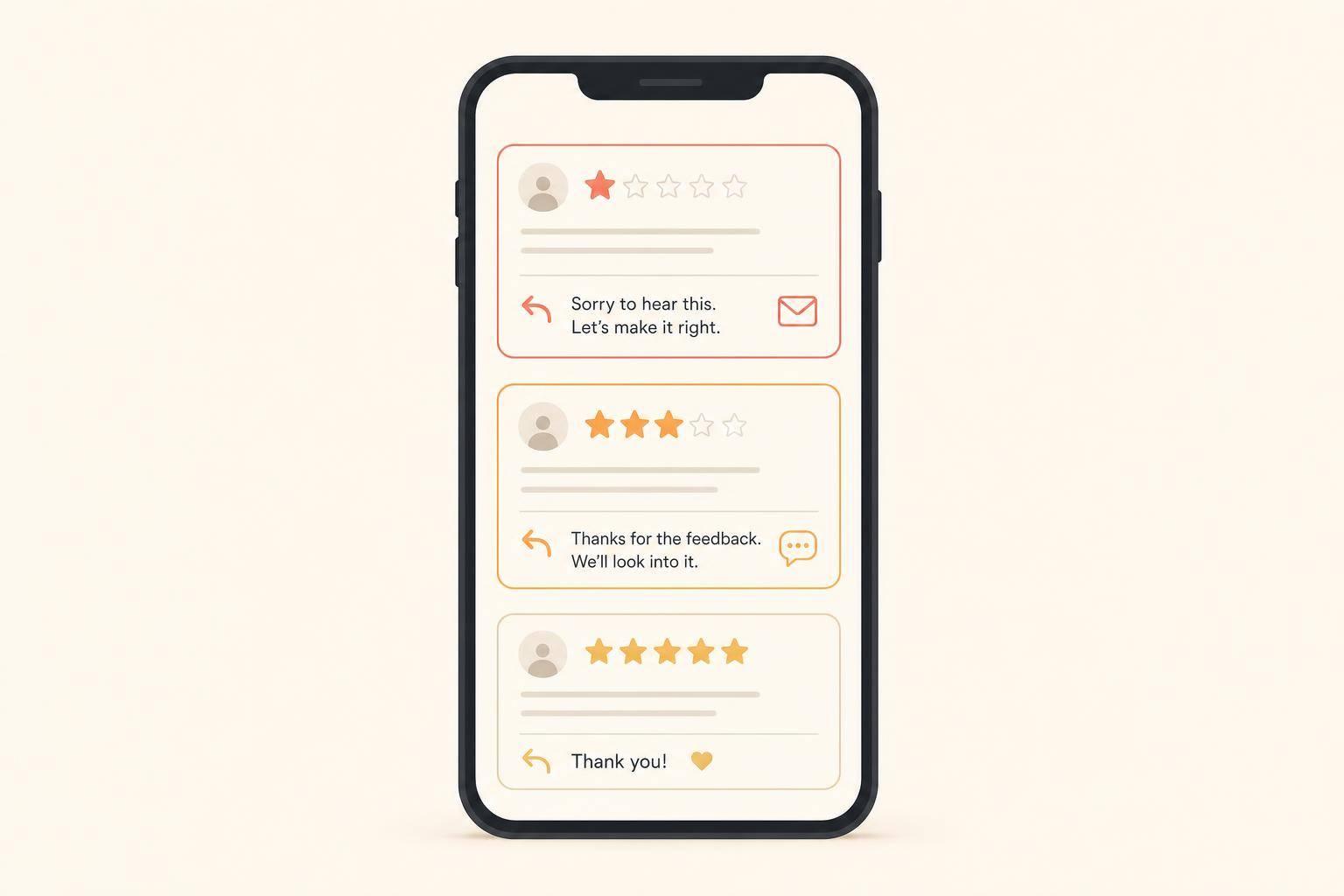
Want to keep coaching clients coming back? It’s not just about results. The key lies in creating an experience that supports them beyond sessions. Here’s how:
Retention isn’t just about coaching sessions - it’s about the value clients feel in every interaction. By focusing on clarity, connection, and continuous improvement, you can build long-term relationships that drive your coaching business forward.
Trust is at the heart of any long-term coaching relationship. Coaches who consistently retain clients know that trust begins with transparency - not weeks or months into the relationship, but right from the very first conversation.
Jumping straight into goal-setting without a clear structure often leads to confusion and unmet expectations. And when clients feel lost or let down, they’re unlikely to stick around. The fix? Lay everything out clearly: what to expect, when to expect it, and who’s responsible for what.
When clients have a clear picture of the process, they feel secure in their decision to invest. That confidence often translates into loyalty and a lasting commitment.
Clients need more than just a destination - they need a roadmap to get there. During your initial sessions, break your coaching process into distinct phases. For instance, you might outline:
For each phase, explain what tools you’ll use, what kind of exercises or assignments they’ll complete, and what results they can anticipate. Be as specific as possible about how progress will be measured. Instead of vaguely saying, “We’ll track your progress,” explain the methods - whether it’s weekly check-ins, monthly goal reviews, or quarterly assessments.
Also, address potential challenges upfront. Let clients know that progress isn’t always a straight line and that setbacks are part of the process. When you normalize these challenges early, clients are less likely to feel discouraged or give up when things don’t go perfectly.
This level of clarity creates a foundation for open, honest communication throughout the coaching journey.
Mismatched communication expectations can quickly erode trust. One client might expect immediate replies to texts, while you prefer scheduled check-ins. Another might want detailed follow-ups after every session, while you typically provide brief updates.
During onboarding, establish a clear communication plan. Outline response times - for example, 24 hours for emails, 48 hours for non-urgent texts, and same-day replies for emergencies - and define what qualifies as an emergency.
Choose your preferred communication channels and stick to them. For instance, you might use email for detailed discussions and text for quick updates. Some coaches use tools like Voxer for voice messages or Slack for ongoing conversations. Whatever you decide, consistency is key.
Set boundaries around session follow-ups as well. Will you send summary notes within 24 hours? Do you expect clients to complete action items before the next session? Will you check in mid-week if they’re tackling a particularly tough challenge? Laying out these details upfront avoids misunderstandings and frustration later.
When communication is structured and expectations are clear, both you and your client can focus on making progress.
For coaching to be effective, both coach and client need to understand their roles. Many relationships fail because the coach takes on too much responsibility for results, or because the client expects transformation to happen passively.
Make your role crystal clear. Are you there to help clients create strategies? To hold them accountable for their goals? To act as a sounding board for decisions? To teach specific skills? Most coaches play several roles, but clients need to know which one you’re stepping into at any given time.
Just as importantly, define the client’s responsibilities. Effective coaching requires their active participation, honest communication, and consistent effort between sessions. It’s the work they do outside of your meetings that drives transformation - not just the time spent talking with you.
Stress the shared responsibility for progress. Explain that while you’ll provide guidance, tools, and support, the client is ultimately in charge of their results. This isn’t about shifting blame; it’s about empowering them to take ownership of their growth and setting realistic expectations for what your role entails.
Incorporate accountability into the process. This could include weekly progress updates, monthly goal reviews, or quarterly check-ins to assess how the partnership is working and make adjustments as needed.
When expectations are well-defined from the start, clients feel more confident in their investment and understand how to maximize the value of your relationship. This clarity and trust form the foundation for long-term success and referrals.
Take the time to truly understand each client's goals by having meaningful conversations about their aspirations and challenges. This insight will help you shape an approach that resonates with their specific needs.
Once you've identified what your client aims to achieve, customize your resources to align with their vision of success. Are they looking for structured, step-by-step guidance? Or do they prefer a more open, flexible approach? Adjust the session format - whether it’s the agenda, duration, or frequency - to suit their preferences and ensure the best outcomes.
Client needs aren’t static - they change over time. Regularly review progress and seek feedback to fine-tune your methods. This not only keeps your approach relevant but also demonstrates your commitment to their success, fostering stronger, long-term relationships.
Creating a sense of belonging among your clients can elevate individual coaching relationships into a thriving, supportive community. This sense of connection lays the groundwork for establishing private client groups, which can help strengthen long-term relationships.
Providing a dedicated online space for your clients to interact can encourage them to connect, share experiences, and support one another. For instance, online discussion forums are a great option - they allow for flexibility, anonymity, and the use of multimedia content to enrich conversations[2]. You might consider starting with a private online group exclusively for your coaching clients, ensuring clear guidelines are in place to maintain a positive and respectful environment.
Virtual coaching also allows you to reach a broader audience by eliminating geographical barriers[1][3][4].
| Format | Benefits |
|---|---|
| Online Discussion Forums | Flexible, anonymous, and supports multimedia[2] |
| In-Person Meetups | Encourages face-to-face interaction |
Use automation to streamline repetitive tasks while keeping your follow-up efforts personal and meaningful. Automation tools can handle routine activities, freeing up time for coaches to focus on genuine, one-on-one interactions that foster real connections [5][6]. The key is to let automation assist your workflow, not take over, ensuring your follow-ups are both efficient and thoughtfully tailored [6].
To keep clients engaged and satisfied, coaching practices need to evolve. The best coaches treat their services as dynamic partnerships, adapting to meet clients' shifting needs. This positions you not as a short-term solution but as a trusted partner in their long-term growth.
Refreshing your coaching methods is essential. By incorporating new trends, certifications, and tools, you can enhance your existing frameworks and better address clients' evolving challenges.
Start by identifying areas for improvement through client feedback and industry research. For instance, business coaches might weave modern digital marketing strategies into their leadership training, while life coaches could introduce mindfulness techniques or habit-building strategies to complement their sessions.
The goal isn’t to completely overhaul your approach but to integrate new elements in a way that feels natural and adds value. For example, if you earn a new certification or adopt a cutting-edge tool, explain to your clients how it enhances their experience. This not only highlights your commitment to growth but also reinforces the value of your coaching.
You can also add smaller, focused updates to your programs. A 4-week module addressing a specific challenge, for example, lets clients see progress without requiring a full program redesign. Communicating these updates shows your dedication to evolving alongside their needs.
As you improve your methods, keep your clients in the loop. Sharing your professional growth reassures them of the ongoing value you bring. Transparency fosters trust and helps with client retention.
Consider sending out quarterly updates - these could be brief emails or short videos - highlighting new skills, certifications, or tools you’ve adopted. Explain how these additions sharpen your ability to help them achieve their goals. Case studies (with client permission and anonymity, of course) can also show how your evolving expertise translates into real-world results.
You might even host annual review sessions with long-term clients to reflect on the progress you’ve made together. These “evolution sessions” can deepen your partnership and remind clients of the value they’ve gained from your coaching.
The difference between coaches who maintain long-term relationships and those who don’t often comes down to whether their services evolve. Here’s a comparison:
| Aspect | Static Coaching Model | Evolving Coaching Model |
|---|---|---|
| Service Offerings | Sticks to the same programs year after year | Regularly updates and adds new modules |
| Client Communication | Focuses only on current sessions | Shares updates on professional growth and new insights |
| Problem-Solving Approach | Uses the same methods regardless of context | Adapts techniques based on research and client feedback |
| Client Relationship | Acts as a transactional provider | Builds a long-term partnership focused on growth |
| Value Proposition | Centers on pre-packaged solutions | Emphasizes continuous improvement and shared progress |
Coaches who embrace an evolving model typically see higher client satisfaction and retention. By investing in your own growth, you not only improve client outcomes but also reduce the effort needed to attract new clients. Each relationship becomes more rewarding, both for you and your clients.
A successful coaching practice isn’t about constantly chasing new clients - it’s about keeping the ones you already have. The strategies we’ve explored show that retaining clients requires more than just delivering solid coaching sessions. It’s about creating a deeper, more meaningful experience that keeps clients engaged and invested.
Setting clear expectations right from the start is key. When clients understand the journey ahead and their role in it, they’re more likely to stay committed. Add to that personalized progress tracking and tailored resources, and you’re offering something that feels both unique and valuable to each individual.
Community plays a major role here too. By fostering connections between clients - whether through private groups or loyalty rewards - you’re creating a sense of belonging. When clients feel part of a larger community, it often becomes a reason they stay, sometimes even more than the coaching itself.
Staying connected outside of sessions is just as important. Whether it’s through thoughtful follow-ups or feedback systems, these touchpoints show that you care about their progress, even between sessions or after their program ends. These interactions also give you a chance to address any concerns before they turn into reasons for clients to leave.
On top of all this, evolving your coaching approach is essential. Treat your business as something that grows and adapts. When clients see you learning new skills and refining your methods, they’ll see the ongoing value of working with you - something static approaches can’t offer.
Ultimately, these strategies shift the focus to what truly matters to clients: clarity, personalization, connection, and growth. Coaches who adopt this mindset don’t just keep clients - they build lasting relationships that lead to referrals, testimonials, and a thriving business.
The takeaway? Go beyond the basics. By putting intentional effort into these approaches, one step at a time, you can transform your coaching practice into a dynamic, client-focused experience where retention isn’t just a goal - it’s a natural outcome.
To make your coaching sessions truly effective, begin by thoroughly understanding your client’s goals, obstacles, and past experiences. This foundational step allows you to pinpoint their specific needs and craft a tailored approach that resonates with them.
Incorporate flexible tools and frameworks that you can adjust to suit each individual. This ensures your strategies stay relevant and meaningful. Also, encourage open communication by seeking feedback throughout and after your sessions. This not only helps you fine-tune your methods but also creates a collaborative environment where clients feel supported. A personalized approach is essential for building trust and fostering lasting relationships.
Building a sense of community among your coaching clients can do wonders for retention. When clients feel supported, connected, and valued, they’re more likely to stick around. So, how can you create this sense of belonging? Here are a couple of ideas:
When clients feel part of a community, they’re not just learning from you - they’re also gaining insights from their peers. This shared value keeps them engaged and strengthens their loyalty to your coaching services, offering benefits that go well beyond individual sessions.
To keep your coaching effective and aligned with your clients' needs, make it a habit to regularly assess their goals and track their progress. This allows you to fine-tune your approach and ensure it stays relevant.
Encourage open communication by actively seeking feedback from your clients. Use their input to adjust your methods and provide a more tailored experience that grows alongside their evolving priorities.
When you remain adaptable and attentive to their specific challenges, you not only enhance the coaching experience but also strengthen trust and loyalty, paving the way for lasting, meaningful relationships.
Discover strategies to elevate your business.