Starting a coaching business can feel overwhelming, but with the right steps, it’s achievable. Here’s how we turned an idea into a profitable business in just three years:
Starting your coaching business on solid ground is crucial. Skipping the foundational steps often leads to challenges down the road, and many coaches who struggle find they’ve overlooked these essentials.
Your niche shapes every part of your business - from pricing to marketing to the clients you attract. Trying to appeal to everyone? That’s a common mistake. Instead, zero in on a specific group or problem to connect with the right audience.
A well-defined niche is the backbone of your business. To find yours, focus on the overlap of three key areas: your expertise, market demand, and your passion. Expertise doesn’t have to mean formal training - it could come from personal experiences, challenges you’ve overcome, or your professional background.
Market demand is where many coaches hit a snag. Look for areas where people are already spending money to solve problems. Fields like executive coaching, career transitions, relationship coaching, and health coaching often see steady interest because they address clear, pressing needs.
To explore your niche, dive into job boards, LinkedIn discussions, social media groups, and online forums. What challenges are people talking about? If they’re actively seeking help and willing to pay for solutions, you’re on the right track.
Before committing, test your niche. Offer a few free sessions to your target audience. Listen to their concerns, note the language they use, and understand their biggest pain points. This feedback will sharpen your marketing and service offerings.
Consider narrowing your focus even further. For example, instead of general "life coaching", you might specialize in "life coaching for working mothers transitioning back to corporate jobs after maternity leave." The more specific you are, the easier it becomes to connect with your ideal clients.
Once your niche feels clear, the next step is setting up a business structure that supports growth.
A proper legal and financial setup not only protects you but also boosts your credibility. For most US-based coaches, forming an LLC (Limited Liability Company) is a smart move compared to operating as a sole proprietor.
An LLC shields your personal assets in case of a lawsuit and simplifies tax planning. It also makes your business look more professional to potential clients. Filing costs vary by state, but you can usually handle it online through your state’s Secretary of State website.
After forming your LLC, get an EIN (Employer Identification Number) from the IRS. It’s free and takes about 15 minutes online. This number is essential for opening business bank accounts and filing taxes. Skip third-party services that charge for this - just go directly to the IRS website.
Next, open a business bank account. Keeping your personal and business finances separate simplifies bookkeeping and adds professionalism when clients pay you. Many major banks offer small-business accounts with low or no fees.
Liability insurance is another must-have. General liability insurance covers accidents, while professional liability insurance protects you if a client claims your advice caused harm. Companies like Hiscox and Next Insurance provide options tailored for coaches, typically costing $200–$400 annually.
A business credit card can also be helpful. Use it exclusively for business expenses - like software, marketing, or training - and pay it off monthly to avoid interest. This not only tracks your spending but also helps build business credit.
With your legal and financial framework in place, the next step is equipping your business with tools that save time and elevate your professional image.
The right tools make running your coaching business smoother and more efficient. Start with the basics, and add more advanced options as you grow.
These tools not only streamline your operations but also help you present a polished, professional image to your clients.
To grow your client base and establish yourself as a trusted professional, focus on strategies that highlight your expertise and make it easy for people to connect with you. Here's how to get started.
Your Google Business Profile is often the first place potential clients will encounter your coaching business. If someone searches for "life coach near me" or "business coach in [your city]", you want to show up prominently in the local results.
To begin, claim your profile at business.google.com. After entering your details, Google will send a verification code to your business address, which could even be your home office if you work remotely. This code typically arrives within two weeks.
When setting up your profile, stick to standard U.S. formatting for your address and hours (e.g., 123 Main St, Anytown, CA 12345; 9:00 AM–6:00 PM). Your business description should clearly outline your niche and audience. For instance, instead of saying, "I help people achieve their goals", try something more specific like, "I coach marketing executives to transition into leadership roles through personalized career strategies."
Add professional photos to your profile - include images of yourself, your workspace, and any certifications you hold. These visuals help build trust.
Be strategic when selecting your business categories. Primary options like "Life Coach", "Business Management Consultant", or "Career Counselor" ensure you appear in relevant searches. Secondary categories, such as "Personal Development Service", can further refine your visibility.
To keep your profile active and relevant, post updates regularly. Share weekly coaching tips, client success stories, or insights from your industry. These updates not only engage potential clients but also improve your search rankings.
After setting up your Google profile, focus on building your authority on LinkedIn.
LinkedIn is a powerful platform for showcasing your expertise and connecting with professionals. It's where business-focused content thrives.
Start with a compelling headline that highlights your niche and expertise. For example: "Helping Mid-Career Professionals Thrive | Certified Leadership Coach."
Use the summary section to craft a digital elevator pitch. Share your coaching philosophy, the challenges you specialize in, and the results clients can expect. Be sure to include a clear call-to-action, like inviting readers to schedule a discovery call or download a resource.
Consistency is essential. Post valuable insights several times a week, whether it's about industry trends, common challenges, or lessons from your own experience. These posts help you stay visible and build long-term credibility.
You can also write in-depth LinkedIn articles to showcase your knowledge. Topics like "How to Know If You're Ready for a Career Change" or "Navigating Office Politics as a New Manager" can attract your ideal audience while positioning you as an expert in your field.
Engagement is key on LinkedIn. Send personalized connection requests and offer thoughtful insights when interacting with others. Use LinkedIn's advanced search tools to find and connect with individuals who fit your target demographic.
When messaging, focus on relationship-building rather than selling. Share relevant articles, congratulate contacts on their achievements, or offer brief advice on challenges they're facing. This approach fosters trust and keeps you top of mind.
Once you've established a strong presence, client reviews and testimonials can further reinforce your credibility.
Social proof is one of the most effective ways to attract new clients. People want to see evidence of your success before they commit to working with you.
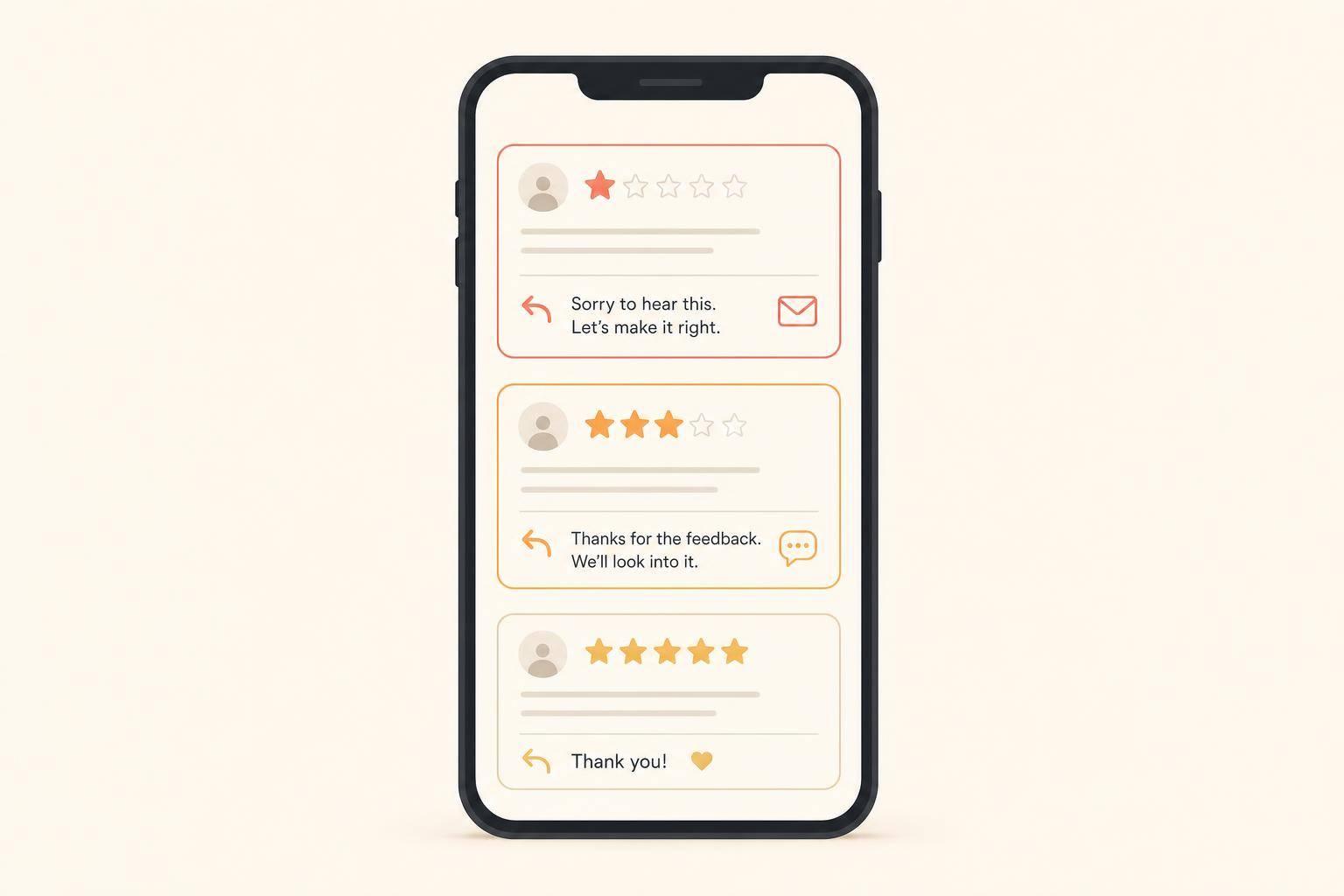
Ask for testimonials after a successful session or milestone, when the positive impact of your coaching is still fresh in your client's mind. Make it easy for them by providing a direct link to your Google Business Profile review page or offering a simple template they can use as a starting point.
Encourage clients to share specific outcomes rather than general praise. For example, instead of "Jane is a great coach", a more compelling testimonial might highlight a tangible result: "Jane helped me land a leadership role within six months through focused career coaching."
Video testimonials can be especially impactful. These don't need to be polished - authenticity often resonates more than high production quality. A simple recording of a client sharing their genuine experience can go a long way.
Place testimonials strategically across your marketing materials. Feature them on your website's homepage, include them in your email signature, and share them on social media. Different types of testimonials serve different purposes: results-focused testimonials attract clients by showcasing measurable success, while process-focused feedback helps potential clients understand what it's like to work with you.
Don't overlook the value of LinkedIn recommendations. These professional endorsements are visible on real profiles and can significantly boost your reputation. Invite former clients, colleagues, or collaborators to share how your coaching has positively impacted them.
A marketing funnel is your roadmap for turning casual visitors into loyal clients. It works by capturing leads, building trust, and guiding prospects through a series of intentional steps.
A lead magnet is the incentive you offer visitors in exchange for their email address. The key? Solve a single, specific problem. For example, a career coach might create a "30-Day Career Transition Checklist", while a business coach could share "5 Revenue-Boosting Strategies." Keeping your lead magnet focused on one clear solution often leads to better results than trying to cover too much ground.
The landing page is where the magic happens - it’s the dedicated space where visitors can access your lead magnet. To boost conversions, keep the page simple and laser-focused. Your goal is to encourage visitors to opt in by providing their email address. Remove distractions like navigation menus, use a clear and benefit-driven headline, and highlight key points with bullet lists. Make sure your opt-in form is easy to find and straightforward, asking only for essentials like a first name and email. Small tweaks, like testing different headlines, images, or button colors, can make a big difference in performance.
Once your lead magnet and landing page are set, it’s time to pick the right tools to streamline the process.
The tools you use can make or break the success of your funnel. Many platforms cater specifically to coaches and service providers, offering features like drag-and-drop editors, pre-designed templates, and seamless integrations with email marketing and payment systems. Some platforms even focus exclusively on creating high-converting landing pages, complete with built-in testing capabilities.
If you're just starting out, services like Humble Help provide a done-for-you funnel setup. They handle the technical side while tailoring the funnel to your coaching style and audience. Alternatively, platforms with visual automation builders and subscriber tagging can help you manage email campaigns and segment your audience effectively.
Your choice should depend on your comfort level with technology, your budget, and how hands-on you want to be. Whether you prefer DIY tools or professional services, the right platform can simplify the process and set you up for success.
With your funnel ready, the next step is nurturing those leads with well-crafted email sequences.
Email sequences are your chance to build relationships and showcase your expertise. Start with a welcome sequence that delivers value right away. Send the first email as soon as someone opts in, thanking them and providing clear instructions to access the lead magnet.
Over the following days or weeks, send a series of follow-up emails designed to educate and engage your audience. Each email should offer helpful insights related to your coaching niche while subtly introducing your services. For example, if your lead magnet addresses career transitions, follow-up emails might explore recognizing the right time for a change or tips for effective networking.
Stories can be powerful here. Share personal experiences or client success stories (with permission) to show how your coaching has made an impact. Every email should include a clear call-to-action, whether it’s booking a discovery call, joining a webinar, or signing up for a workshop.
Automation is your best friend for personalizing follow-ups. If someone engages with content about leadership, for instance, you can send them targeted emails on that topic. Automation ensures your emails are timely and relevant, keeping your audience engaged.
Finally, keep an eye on your email performance. If you’re not getting the results you want, experiment with different subject lines, timing, or content. Remember, building trust takes time. The more value you provide, the more likely your subscribers are to become loyal clients.
Expanding your reach through partnerships and public relations can help you connect with established audiences while building credibility through third-party endorsements.
Teaming up with local businesses is a smart way to cross-promote services and share referrals. Look for businesses that cater to your target clients but don’t overlap with your offerings.
For example, career coaches can collaborate with resume writers or networking groups, health coaches might partner with nutritionists or personal trainers, and business coaches could work with accountants, lawyers, or marketing agencies. These partnerships create natural synergies that benefit both parties.
Start with informal conversations - like a coffee meeting - to explore how you can help each other. Once trust is built, formalize the arrangement with referral agreements. Initially, partnerships may involve simple referrals, but they can grow into co-hosted events, joint webinars, or bundled services. Be sure to document the referral process, any commission agreements, and tracking methods to ensure transparency and protect both sides.
Joining your local Chamber of Commerce is another great way to meet potential partners. Networking events hosted by business groups, Rotary clubs, or industry associations can also open doors to valuable connections.
Beyond local collaborations, you can expand your reach by getting media coverage that positions you as an expert in your field.
Being featured in the media not only establishes you as an authority but also helps build trust with potential clients. Start by targeting publications that your ideal audience reads.
Local media outlets are often easier to approach than national ones. Reach out to local newspapers, business journals, or city magazines with story ideas or offer yourself as an expert source. These publications are frequently looking for content on topics like career growth, business strategies, or personal development.
Industry-specific publications are another excellent option. Trade magazines, newsletters from professional associations, and niche websites often accept guest articles or expert interviews. Research the outlets your clients trust, study their style, and pitch ideas that align with their audience.
Timing also matters. If there’s news about workplace trends, economic shifts, or industry updates, offer your perspective. Journalists are more likely to feature you when your expertise ties into current events.
Building relationships with journalists can make a big difference. Follow reporters who cover your niche on social media, engage with their posts, and share their work. When you pitch, reference their previous stories to show you’re familiar with their focus.
Pair your media outreach with real-world success stories and measurable results to further solidify your reputation.
Nothing builds credibility like clear, measurable outcomes. While testimonials are useful, backing them up with data makes a stronger impression.
Focus on metrics that matter to your audience. For example, instead of saying, "helped clients improve", provide specifics: "helped 15 clients secure promotions within 90 days" or "increased client revenue by $50,000 in six months." US audiences appreciate concrete numbers and actionable results.
Detailed case studies are another powerful tool. Walk potential clients through the problem your client faced, the steps you took, and the results achieved. Include before-and-after scenarios, timelines, and specific strategies. Always get written consent before sharing these details publicly.
Track metrics that resonate with your audience. Career coaches might highlight job placement rates or salary increases, business coaches could focus on revenue growth or productivity gains, and health coaches might showcase weight loss or fitness milestones. Present your data in familiar US formats, using dollar signs, standard date formats (e.g., March 15, 2024), and customary units of measurement.
Visual aids like charts or infographics can make your results even more compelling. These are especially effective on social media and can be used across your marketing channels. Keep the design simple and emphasize the most impressive data points.
Feature client testimonials alongside these metrics on your website, social media, and email campaigns. Video testimonials often feel more personal and authentic, making them especially effective.
To build a thriving coaching business, it’s not just about applying strategies - it’s about consistently measuring, adjusting, and improving. The most successful coaches treat their businesses like data-driven operations, using hard numbers to guide their decisions instead of relying solely on intuition.
Every day, your coaching business generates data. The trick is to focus on the numbers that directly influence your revenue and growth.
Start with revenue metrics: monthly recurring revenue (MRR), average client value, and revenue per client. For example, if you offer a $2,500/month, three-month package, your average client value is $7,500. Regularly track these figures, especially when tweaking your pricing or services.
Next, calculate your client acquisition cost (CAC) - how much you spend to gain a new client. Add up your monthly marketing expenses and divide by the number of clients acquired. For instance, if you spend $1,200 on marketing and sign six new clients, your CAC is $200. This metric helps pinpoint which marketing efforts are delivering the best bang for your buck.
Conversion rates are another critical measure of your business funnel's effectiveness. Look at visitor-to-lead, lead-to-consultation, and consultation-to-client rates. For example, if 1,000 people visit your site monthly, leading to 50 leads (a 5% conversion rate), 20 consultations, and ultimately 8 clients, your consultation-to-client rate is 40%.
Don’t forget about client lifetime value (CLV). This metric captures the total revenue you can expect from a single client, including renewals, upsells, and referrals. A client who starts with a $5,000 package might contribute significantly more over time if they continue working with you or refer others.
Lastly, track referral rates. High referral rates indicate client satisfaction and can lower your acquisition costs. Many top-performing coaches rely heavily on referrals to grow their business.
To gather and analyze this data, use tools like Google Analytics for website performance, CRM systems for client tracking, and spreadsheets for revenue monitoring. Regularly reviewing these numbers can help you spot trends, understand seasonal shifts, and adapt to client behavior changes.
Once you have a clear picture of your metrics, make sure your marketing materials align with your current data and reflect the latest trends.
Outdated content can turn potential clients away, so keeping your marketing materials fresh is a must in the ever-evolving coaching industry.
Start with your website. Update it with your latest certifications, new client success stories, and any changes to your services. If trends like remote work are impacting your clients, make sure your messaging addresses these shifts.
Regularly review your lead magnets - like guides or downloadable resources. For example, a guide titled "LinkedIn Strategies for Executives" might need updates to reflect new platform features or networking trends. Consider creating fresh materials that tackle current challenges, such as adapting to economic uncertainty or leveraging new technologies.
Don’t overlook your email sequences. Check for outdated references, broken links, or messaging that feels out of touch. Most email platforms provide analytics, so use that data to refine underperforming emails.
Social media profiles also need attention. Update your LinkedIn headline, Instagram bio, or Facebook description to highlight your latest focus or achievements.
Stay on top of industry developments by engaging with professional groups like the International Coach Federation (ICF) and reading relevant publications. This will help you anticipate changes and keep your content relevant.
With updated materials in place, use client feedback to refine your services even further.
Feedback from clients is a goldmine for identifying service gaps and uncovering new opportunities to grow your business.
Gather feedback regularly through surveys, mid-program check-ins, or exit interviews. Use a mix of rating scales for quick insights and open-ended questions for deeper understanding. For example, instead of asking, "How was your experience?" try questions like, "What part of our work had the biggest impact on you?" or "What additional support would have accelerated your progress?"
Look for recurring themes in the feedback. If clients mention wanting more accountability, consider adding weekly check-ins or creating a private community platform. If business coaching clients request team management advice, think about offering group sessions or additional resources tailored to that need.
When you act on feedback, let your clients know. For instance, if they suggest an improved onboarding process, implement the changes and communicate them. This shows that you’re committed to evolving and meeting their needs.
Feedback can also reveal opportunities for new services. If clients frequently ask about specialized offerings - like interview coaching or advanced health resources - it might be time to expand your services.
Maintain an ongoing dialogue with past clients through periodic check-ins or alumni newsletters. These interactions not only provide insights into the long-term impact of your work but can also lead to testimonials, referrals, and even new business opportunities.
Creating a profitable coaching business is absolutely within reach when you follow a clear, actionable plan. The steps we’ve discussed show that success comes from focusing on key areas like building a strong foundation, attracting clients, setting up effective funnels, leveraging partnerships, and tracking performance. Let’s quickly revisit the core strategies that can help you achieve your goals.
First, laying a solid foundation is non-negotiable. Choosing a niche, setting up the right structure, and using tools that align with your goals create the groundwork for sustainable growth. Without this, even the best marketing strategies won’t deliver results.
Next, client attraction and authority-building are essential. Platforms like Google Business Profile and LinkedIn, combined with glowing client testimonials, establish your credibility and draw in high-quality prospects who are ready to invest in your services.
Marketing funnels are the bridge between interest and revenue. By offering valuable lead magnets, creating compelling landing pages, and implementing nurturing email sequences, you can guide potential clients through a seamless journey that converts curiosity into commitment.
Don’t underestimate the power of partnerships and PR. Collaborations and media exposure help you connect with your ideal audience in ways that go beyond traditional advertising, often at a fraction of the cost.
Finally, tracking performance ensures you’re making informed decisions. By monitoring the right metrics, you’ll know exactly where your time and resources are best spent, eliminating guesswork and maximizing results.
Remember, consistency beats perfection every time. Start small - maybe with a simple website and one strong lead magnet - and build from there. Many successful coaches began this way, refining their approach as they grew. The key is to take action, listen to client feedback, and adapt as needed.
Your coaching business has the potential to make a meaningful impact while generating substantial revenue. The strategies shared here have been tested by coaches across a variety of niches and markets. Now it’s your turn to put them into practice and shape the thriving coaching business you’ve envisioned. Take what you’ve learned and start turning your vision into reality today!
Choosing the right niche begins with zeroing in on what excites you and where you can bring something special to the table. Think about the problems you're eager to tackle and how your skills match up with what people are looking for.
To narrow it down, dig into some market research to figure out what potential clients are actively searching for. Another great way to test the waters? Offer free or low-cost sessions in different areas to gauge interest and see where you get the strongest response. Starting with a focused niche not only helps you establish credibility but also makes it easier to attract clients. Once you've built a solid foundation, you can always branch out into related areas.
To bring in your first paying clients, consider starting with free sessions. These give you a chance to demonstrate your skills, build trust, and leave a positive impression. After the session, reach out to participants with tailored paid coaching options. A great free session can often turn into a paying client.
Another smart move is to use social media platforms to share helpful content and engage directly with your audience. Networking at local events or participating in online communities can also open doors to potential clients. Don’t forget to ask those who attended your free sessions for testimonials. These endorsements act as strong social proof, making it easier to attract others. Focus on creating meaningful connections and showing the real value of what you offer.
To keep tabs on how your marketing funnels are performing and ensure they’re turning leads into paying customers, pay close attention to metrics like conversion rates at each stage, total leads generated, and customer lifetime value. These numbers give you a solid understanding of how well your funnel is doing.
Make use of analytics tools to track these metrics consistently. Look for patterns to pinpoint where leads are dropping off, and tweak your messaging or strategy to fix any weak spots. By regularly testing and refining your approach based on the data, you can boost conversion rates and expand your client base more effectively.
Discover strategies to elevate your business.