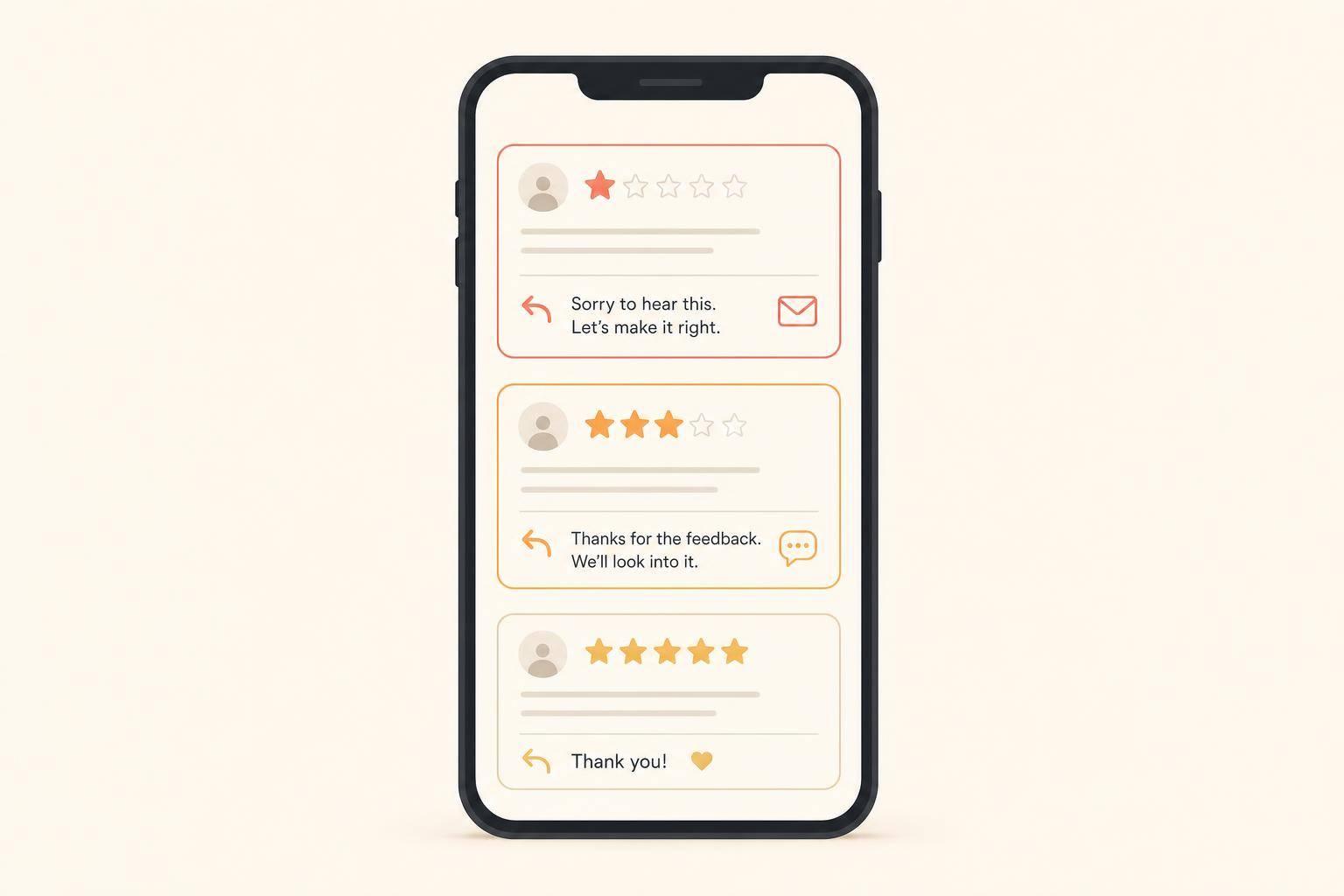
Client retention is the key to a successful coaching business. It’s about more than just keeping clients - it's about building trust, delivering results, and creating lasting relationships. Retaining clients reduces costs, increases revenue, and fosters loyalty, which can lead to referrals and long-term success.
Here’s how to improve retention:
Retention isn’t just about keeping clients - it’s about creating an experience that makes them want to stay. Start small, focus on client needs, and build systems that support long-term relationships.
Consistent and personalized follow-ups are essential for keeping clients engaged, maintaining momentum, and building trust. They extend your coaching beyond scheduled sessions and reinforce accountability. Let’s dive into how you can use modern tools and strategies to streamline these interactions.
Technology makes it easier to manage follow-ups without losing the personal touch. Tools like HubSpot or Salesforce allow you to create automated sequences that feel tailored to each client’s journey. With CoachAccountable, you can schedule automated check-ins tied to client milestones or session dates, using templates that you can customize. Calendly also lets you send automated reminders, which you can personalize with encouraging messages or preparation tips.
The key is to avoid generic reminders. Instead, use personalized cues that connect with each client’s unique goals and recent achievements. While automation handles the timing, the content should still reflect the individual’s progress and needs.
Not every client needs the same type of follow-up. Grouping clients based on their stage in the coaching process or their focus areas allows you to tailor your communication effectively.
You can also group clients by their coaching focus areas. For example, clients working on career transitions might appreciate updates on job market trends or networking tips, while health and wellness clients might value motivational content on habit-building or seasonal challenges.
Tailoring your approach also means being proactive if a client’s engagement starts to wane.
When a client begins to disengage, acting quickly can make all the difference. If you notice missed sessions or delayed responses, aim to re-engage within 48-72 hours. Approach the conversation with curiosity rather than judgment. For example, instead of saying, "Why haven’t you been keeping up with your tasks?" try something like, "It seems like you’ve had a lot on your plate lately. What’s been your biggest challenge recently?" This opens the door for a constructive, honest dialogue without making the client feel defensive.
Sometimes disengagement is a sign that your approach needs tweaking. A client who once thrived on daily check-ins might now feel overwhelmed due to changes in their personal or professional life. Be flexible - adjust the frequency or style of your follow-ups to better suit their current situation.
When reaching out, offer specific support rather than vague questions. For instance, instead of asking, "How can I help?" you could suggest, "Would shorter sessions work better for the next few weeks?" or "Should we focus on just one goal for now?" The goal isn’t to pressure them back into full engagement right away but to show you’re adaptable and committed to meeting them where they are.
Sometimes, a brief check-in can uncover external factors impacting their engagement. Together, you can find practical solutions to navigate those challenges and re-establish momentum.
Having a solid feedback system in place can do wonders for your coaching practice. Not only does it help you refine your methods, but it also strengthens the bond with your clients. Without regular feedback, it’s easy for small issues to snowball into major problems. A well-thought-out system ensures you catch these early and shows your clients that their input genuinely matters.
Great coaches treat feedback as an ongoing conversation, not just a one-time event. When clients feel comfortable sharing their thoughts - whether positive or critical - it builds trust and leads to better outcomes. This approach also complements personalized follow-ups, creating a dynamic where both you and your clients grow together.
To gather meaningful feedback, keep your questions focused and specific. Vague prompts like "How’s it going?" often lead to unhelpful answers. Instead, ask targeted questions that address specific aspects of your coaching relationship.
One effective method is quarterly surveys. With tools like Typeform or Google Forms, you can create quick, easy-to-complete surveys. For example, ask questions like, "What coaching technique has been most beneficial for you recently?" or "What’s one area where you’d like to see improvement in our sessions?"
For more frequent input, short surveys after every fourth or fifth session can capture real-time sentiments without overwhelming clients. Platforms like SurveyMonkey offer templates designed for quick feedback that you can tailor to fit your needs.
If you want deeper insights, one-on-one conversations are invaluable. Set aside time specifically for these discussions, making it clear that feedback is the focus. Start with open-ended questions like, "What’s been working well for you?" before diving into areas where adjustments might be needed. Creating this dedicated space encourages honesty and fosters a stronger connection.
Another option is integrating digital feedback forms directly into your coaching platform. If you’re using tools like CoachAccountable or Satori, you can automate feedback requests to go out at specific intervals or after key milestones. This ensures consistent input without adding extra tasks to your plate.
Timing is critical. Avoid asking for feedback right after a tough session when emotions might still be running high. Instead, wait 24-48 hours, giving clients time to reflect before sharing their thoughts.
Feedback only becomes valuable when you act on it. If several clients point out similar issues or suggest the same improvements, it’s a clear signal to make changes.
Start by tracking recurring themes. For instance, if multiple clients mention that assignments feel overwhelming, adjust your approach accordingly. A simple spreadsheet can help you organize and identify patterns in the feedback you receive.
When you make changes, be transparent about it. Let your clients know their input played a role. For example, you could say, "Based on your feedback, I’ve updated the goal-setting worksheet to make it more user-friendly." This not only validates their opinions but also reinforces their trust in you.
Before rolling out significant changes to all your clients, test them with a small group first. This allows you to fine-tune your adjustments based on real-world experiences rather than assumptions.
Create a feedback loop by following up on those changes. A month after implementing a new method, check in with the clients who suggested it. Ask if the update has made a difference and whether further tweaks are needed.
Occasionally, client feedback might clash with your professional judgment. When this happens, use it as an opportunity for deeper discussion. For instance, a client asking for less structure might actually be signaling a desire for more autonomy. These conversations can lead to insights that benefit both parties.
Your growth as a coach directly impacts your clients, and they should see how you’re investing in your skills. Sharing your professional development efforts not only builds trust but also demonstrates your commitment to their success.
When you earn a new certification or complete a course - like in Cognitive Behavioral Coaching or Positive Psychology - share this news with your clients. Explain how this new knowledge will enhance their experience, focusing on practical benefits rather than just listing credentials.
Introduce new tools or strategies in a way that ties directly to your clients’ goals. For example, if you’ve learned about implementation intentions as a goal-setting technique, explain how it works and suggest trying it together.
You can also share key takeaways from conferences, workshops, or books you’ve explored. A monthly newsletter highlighting one or two actionable insights is a great way to keep clients informed without overwhelming them.
If you’re making significant changes to your coaching approach - like incorporating somatic coaching techniques or shifting to a solution-focused model - help clients understand why. Explain the reasoning behind these updates and what they can expect moving forward.
The point isn’t to impress clients with your achievements but to reassure them that you’re always striving to be the best coach you can be. Your dedication to growth inspires confidence and helps pave the way for their own success.
Once you've established a solid follow-up and feedback system, the next step is to offer extra resources that keep your clients engaged. Giving clients access to exclusive content not only adds value but also strengthens the relationship you’re building with them. When clients feel they’re receiving something special - tailored just for them - it enhances their experience and keeps them connected to your practice between sessions. This approach works hand in hand with your personalized follow-ups, creating a comprehensive support system.
Start by building a resource library that directly addresses the challenges your clients face. Think about what would complement your live sessions. This could include video or audio lessons, bonus workshops, interactive tools, or even seasonally relevant materials. For example, custom worksheets or self-assessment forms can provide practical, hands-on support while reinforcing your coaching methods. Seasonal content is another great idea - it shows you understand the ebb and flow of your clients’ lives and are prepared to help them tackle predictable challenges.
Acknowledging your clients' loyalty can make a big difference in how valued they feel. Consider offering perks such as referral rewards, milestone celebrations, or early access to your newest resources. These gestures don’t have to be extravagant; what matters is that they feel personal and genuine. When clients see that their loyalty is noticed and appreciated, it deepens their engagement and fosters a sense of community around your practice.
How you deliver your exclusive content is just as important as the content itself. Choose a platform that allows you to organize resources in a way that’s easy for clients to access and navigate. Ideally, it should also support community interaction if that’s part of your strategy. Make sure the system you choose provides secure hosting and aligns with both your technical needs and those of your clients. A well-thought-out delivery method will enhance the overall experience and keep clients engaged between sessions.
Improving client retention goes beyond personalized coaching - it’s about fostering a sense of connection. By creating a space where clients can engage with each other, you transform your coaching practice into a thriving community. When clients feel like they’re part of something larger, their sense of belonging deepens, making them more likely to stay committed. This shift turns coaching from a one-on-one experience into a supportive network where everyone grows together.
Start by choosing the right platform and setting clear guidelines for interaction. Private Facebook groups are a popular choice, offering a space for clients to share wins, ask questions, and provide support to one another. For a more organized approach, platforms like Slack or Discord allow for dedicated channels based on specific topics, keeping conversations focused and easy to follow.
Monthly group calls are another great way to build community. These calls don’t need to be formal coaching sessions. Instead, they can serve as informal check-ins where clients share progress, celebrate milestones, or discuss challenges. These interactions foster peer accountability, which often extends beyond your coaching sessions.
From the beginning, establish rules around confidentiality, respectful communication, and appropriate content sharing. Clear boundaries encourage authentic engagement, helping clients build meaningful connections. With this foundation in place, your community becomes a space where clients feel safe to open up and support one another.
Group coaching sessions are particularly effective when clients face similar challenges or are at comparable stages in their journey. These shared experiences create bonds and allow clients to learn from each other’s perspectives.
Mastermind sessions take this a step further. In these meetings, clients present their challenges to the group, receive feedback, and commit to specific actions before the next session. This structure fosters accountability - not just to you as their coach, but to their peers who will check in on their progress. It’s a powerful way to keep clients engaged and motivated.
You can offer group coaching or mastermind sessions as optional add-ons or include them in premium service tiers. Clients often see these sessions as an added benefit, especially when they lead to meaningful connections with others in the group. Over time, these relationships can strengthen loyalty and encourage clients to stick with your program.
Rewarding loyalty is a smart way to retain clients for the long haul. Consider offering tiered community access based on how long clients have been with you or the package they’ve chosen. For example, long-term clients could gain entry to exclusive monthly strategy sessions, advanced workshops, or even direct messaging privileges with you.
Create a VIP circle for clients who’ve been with you for six months or more. Perks for this group might include early access to new programs, invitations to special events, or opportunities to test new coaching tools. These benefits make long-term clients feel appreciated while giving newer clients something to aim for.
You can also extend the community concept with alumni networks. Former clients who’ve achieved their goals may want to stay connected and could serve as mentors for newer members. This setup not only keeps past clients engaged but also adds extra value for current ones by showcasing inspiring success stories.
Clear progress tracking is a game-changer when it comes to maintaining client motivation and ensuring long-term success. When clients can clearly see how far they’ve come and what lies ahead, they stay engaged and committed. It’s not just about celebrating wins - it’s about creating a sense of direction and addressing potential roadblocks before they lead to frustration or disengagement.
When clients can visualize their growth and understand their next steps, they’re more likely to stay invested in the process. This clarity also gives you, as a coach, the chance to spot potential issues early and address them before they become deal-breakers.
Using the right tools to track progress can make a huge difference, both for you and your clients. Here are a few options to consider:
The best systems combine quantitative data (like numbers and metrics) with qualitative insights (like personal reflections). For example, a client might see that they’ve lost 15 pounds, but when paired with notes about improved energy or confidence, the full impact of their progress becomes evident.
Breaking down big goals into manageable steps is key to keeping clients motivated. Milestone mapping is a great way to do this. By dividing larger objectives into daily, weekly, and monthly targets, clients can focus on what’s immediately achievable while staying connected to their bigger vision.
For instance, a client working toward launching a business might have a six-month goal of generating $10,000 in revenue. Monthly milestones could include completing market research, building a website, and landing their first five customers. Visual timelines help clients see their progress and understand that setbacks are just a part of the journey - not reasons to give up.
At the end of each session, identify three specific actions for the client to focus on, and follow up with an email summary. This immediate reinforcement significantly boosts follow-through rates.
Regular goal adjustment sessions are also essential. Schedule quarterly reviews to assess progress and adjust plans as needed. Maybe the original timeline was too ambitious, or new opportunities have emerged that require a shift in focus. These sessions help clients stay flexible and avoid feeling like they’ve failed when circumstances change.
Streamlining administrative tasks frees up more time for coaching and strategy. Here’s how automation can help:
Creating lasting relationships with clients isn’t about luck or charm - it’s about using thoughtful, well-planned strategies that add real value. Each approach works together to build trust and loyalty, directly addressing the challenges mentioned earlier and ensuring practical ways to maintain strong client connections.
Using technology to automate routine interactions while keeping a personal touch helps you stay engaged without overloading your schedule. Segmenting clients based on their needs allows you to send messages that feel relevant and meaningful. Actively gathering feedback not only makes clients feel heard but also shows them how their input shapes your services, reinforcing their trust in the relationship.
Offering exclusive resources or member-only content adds extra value beyond your regular coaching sessions. These perks give clients a reason to stick around and make them think twice before considering other options.
One of the biggest hurdles for coaches is ensuring clients feel supported between sessions. Building a community where clients can connect with each other creates that much-needed support system. It’s more than just coaching - it’s about fostering a network that clients can rely on, even when you’re not directly involved.
Tracking progress is another key piece of the puzzle. When clients can see clear evidence of their achievements, it keeps them motivated and focused. Milestones and celebrations remind them of how far they’ve come, while automating administrative tasks allows you to concentrate on what you do best - coaching.
Start small by picking two or three strategies that fit your style and your clients’ needs. Master those before adding more layers. Consistency is far more impactful than trying to do everything at once. By combining personalized follow-ups, feedback collection, exclusive content, community support, and progress tracking, you’ll create relationships that last. Your efforts won’t go unnoticed, and your retention rates will show just how effective these strategies can be.
To make follow-ups feel personal while keeping that human connection, consider using AI-powered tools such as automated email systems or chatbots. These tools can adapt messages based on client preferences and past interactions, helping you stay relevant and consistent without eating up too much of your time.
Fitness or coaching apps are another great way to handle personalized check-ins and reminders. By tapping into client data and feedback, you can craft communications that feel thoughtful and tailored, strengthening trust and keeping clients engaged. The key is to let technology enhance your interactions, not replace the real relationships you’ve built with your clients.
To reconnect with clients who seem to be losing interest, start by sending a personalized message that acknowledges their past progress and shows genuine interest in their goals. A thoughtful reminder of what they've already accomplished can spark motivation and help them refocus.
Consider adapting your approach to better suit their current needs. This might mean introducing new resources, tweaking session formats, or suggesting strategies that align with their changing priorities. During check-ins, asking open-ended questions can reveal any obstacles or shifts in focus, giving you the chance to address those directly.
At the core, prioritizing empathetic communication and consistently providing value will go a long way in rebuilding trust and keeping clients engaged in their journey.
Gathering and using client feedback effectively can take your coaching programs to the next level. Start by creating a space where clients feel comfortable sharing their honest thoughts - this means fostering trust and ensuring they know their opinions are valued. You can gather feedback in a variety of ways, like end-of-session reflections or periodic reviews, to uncover meaningful insights.
Once you’ve collected their input, focus on turning it into actionable steps. Have open conversations with your clients to better understand their expectations, and adjust your programs accordingly. When you implement changes based on their suggestions, it not only improves your offerings but also shows clients that their voices are heard. This builds trust and strengthens long-term relationships.
Discover strategies to elevate your business.