Want to attract coaching clients through social media without feeling overwhelmed? Here's the key: focus on the platforms your audience uses, create content that resonates, and engage meaningfully.
This guide breaks down:
The goal? Build trust, connect with your ideal clients, and grow your coaching practice without burning out.
Social media platforms differ in their audiences and how effective they are for coaches. The trick is figuring out where your audience spends their time and which platforms align with your coaching style and goals.
Start by understanding your audience's online habits and preferences. Dive into how they interact online, their communication styles, and the type of content they enjoy. You can survey your current clients about their social media habits, analyze what your competitors are doing, and use platform analytics to track how people engage with your content [1].
"Know where your target audience spends their time online and what communication channels they prefer. Some may prefer Instagram for visual content, while others might prefer LinkedIn for professional insights. Being present on the platforms they frequent enhances your chances of connecting with them effectively." - upcoach.com [1]
Most successful coaches stick to one or two platforms. This focused approach helps them build real connections and stay consistent without spreading themselves too thin.
Once you understand your audience, look at each platform’s strengths to find the best fit for your coaching niche.
Each platform has its own strengths, so it’s worth considering what makes them stand out.
LinkedIn is the go-to for B2B coaching. It’s a professional space where you can establish authority by sharing detailed articles, connecting with decision-makers, and building credibility through recommendations and endorsements [2].
Take Tony Robbins as an example. He uses LinkedIn to cement his reputation as a thought leader, sharing articles on topics like peak performance, personal growth, and business strategies. He also actively participates in industry discussions and groups, creating a strong network of professionals and potential clients [2].
Instagram is fantastic for visual storytelling and building personal connections. With features like Stories, Reels, and Lives, it’s perfect for coaches who want to show off their personality and connect emotionally with their audience [2].
Marie Forleo uses Instagram to share a mix of motivational quotes, videos, and behind-the-scenes looks at her life. Similarly, Jay Shetty combines inspirational quotes, thought-provoking videos, and personal insights, using Instagram Stories to engage with his followers on a deeper level [2].
Facebook remains a powerful tool, especially for coaches who feel comfortable with its interface. It’s great for building communities and reaching a broad audience. For example, Michelle Kuei uses Facebook to attract coaching clients, showing that this platform can still deliver results when approached strategically [3].
| Platform | Best For | Key Strengths | Ideal Coach Types |
|---|---|---|---|
| B2B Coaching | Professional networking, thought leadership | Executive coaches, business coaches, career coaches | |
| Personal Branding | Visual storytelling, emotional connection | Life coaches, wellness coaches, relationship coaches | |
| Community Building | Broad reach, group features, familiar interface | All coaching types |
If you’re an executive or business coach, LinkedIn is your best bet. It’s where corporate decision-makers look for professional development content. You can share industry insights, publish thought leadership articles, and join relevant group discussions [2].
For life and wellness coaches, Instagram is often the better platform. Its focus on visual and lifestyle content makes it a natural fit for personal development messaging [2].
Career coaches might find success using a combination of platforms. LinkedIn is great for professional networking and job search content, while Facebook can help facilitate broader discussions and community support for career transitions.
The key isn’t about finding the “best” platform overall - it’s about choosing one that feels natural for you to use consistently. As Michelle Kuei puts it:
"Build Trust First, Then Focus on the Sale" - Michelle Kuei [3]
Consistency and authenticity are what build trust and attract clients. Think about your strengths as a content creator. If you’re great at writing in-depth articles, LinkedIn might be your ideal platform. If you prefer quick, visual content like quotes or behind-the-scenes glimpses, Instagram could be the way to go. And if fostering group discussions is your strong suit, Facebook is worth considering. Choosing the right platform sets the stage for engaging and effective content tailored to your audience.
Once you've picked the right platforms, the next challenge is crafting content that truly resonates. It’s not just about sharing information - it’s about creating a connection. The content you share should speak to your audience’s struggles, goals, and everyday realities. The best coaches know that every post should serve a purpose: to educate, inspire, or entertain.
To make an impact, focus on addressing your audience’s most pressing concerns and questions. When your content reflects their world, you position yourself as someone who genuinely understands and can help.
Content that offers genuine value is about giving insights your audience can use, not just promoting yourself.
When your content delivers value, the next step is encouraging interaction. Interactive content transforms passive viewers into active participants.
The best interactive content feels like a two-way conversation. Think of it as starting a dialogue, not delivering a monologue.
Staying consistent is key, but creating content daily can quickly become overwhelming. With a few efficient strategies, you can save time while maintaining quality.
Tap into platform-specific features - like Instagram Stories, LinkedIn polls, and Facebook groups - to transform casual viewers into active participants. When paired with engaging content, these tools can amplify your efforts, helping you connect with your audience on a deeper level. Let’s look at how these features can become a game-changer in your social media strategy.
Take Instagram Stories, for example. They’re perfect for sharing behind-the-scenes moments or offering quick, actionable tips that keep your followers coming back for more [4]. On LinkedIn, polls can spark meaningful conversations, while publishing articles positions you as a thought leader in your field. Both tools are great for building trust and showcasing your expertise.
Juggling a coaching practice while staying active on social media can feel overwhelming. The good news? With a mix of smart automation and outsourcing, you can save time and still maintain that personal touch your audience values.
Here’s a closer look at tools and strategies to help you simplify social media management.
Scheduling tools are a lifesaver for managing content across multiple platforms. Buffer offers an intuitive interface that makes planning and scheduling posts a breeze. For those managing several accounts or working with a team, Hootsuite provides advanced features like social listening and collaboration tools, making it a great choice for coaches.
If LinkedIn is your focus, tools like MeetEdgar can automatically recycle evergreen content, ensuring your top-performing posts reach more people over time. On the other hand, visual platforms like Instagram pair well with tools like Later, which offers a drag-and-drop calendar to help you design and organize your feed effortlessly.
Automation is great for routine tasks, but it’s essential to leave room for real-time interaction. For example, you can batch-create and schedule posts while setting aside time each day to respond to comments or join conversations using tagging features. This balance keeps your social media presence relatable and engaging.
As your social media presence grows, outsourcing can help you maintain quality without spreading yourself too thin. Consider hiring a content creator to craft engaging posts or a graphic designer to keep your branding consistent.
If managing interactions becomes too time-consuming, a virtual assistant with experience in community management can step in to handle initial responses and filter messages. This way, you can focus on coaching while ensuring your audience feels connected and valued.
For more comprehensive support, services like Humble Help offer marketing solutions tailored for coaches. Their "done-for-you" or "done-with-you" options combine automation with human expertise, covering everything from content creation to social media management. Outsourcing these tasks when your schedule gets packed allows you to scale your practice without losing touch with your audience. It’s an effective way to stay engaged while focusing on delivering top-notch coaching.
Choosing between managing your social media yourself or bringing in professional help depends on your skills, time, and long-term goals.
Here's a quick breakdown of how the two approaches stack up:
| Factor | DIY Approach | Expert Support |
|---|---|---|
| Time Investment | Requires at least 3 hours daily across platforms like Instagram and Facebook [5] | Frees up your time by handling day-to-day management |
| Learning Curve | Demands time and effort to master effective strategies | Gives you instant access to proven expertise |
| Scalability | Limited by your available time and energy | Expands as your practice grows with professional help |
| Focus on Coaching | Divides your attention between marketing and coaching | Lets you dedicate more time to coaching and client relationships |
These factors highlight why, as your coaching practice grows, your time is better spent focusing on clients rather than juggling social media tasks.
Your time is your most valuable asset as a coach. Studies show that multitasking - like managing social media while coaching - can cut productivity by 40% [6]. Plus, constant social media use can lead to distractions and memory lapses [5].
DIY social media management can work well when you're just starting out, especially if you're eager to learn and can commit the time without sacrificing your coaching quality. But as your business grows, the demands of managing social media may pull you away from delivering the focused attention your clients deserve.
Professional support becomes crucial when your practice reaches a point where you can no longer comfortably handle everything on your own. Experts can take over the technical work, content creation, and engagement strategies, so you can stay focused on what you do best - coaching.
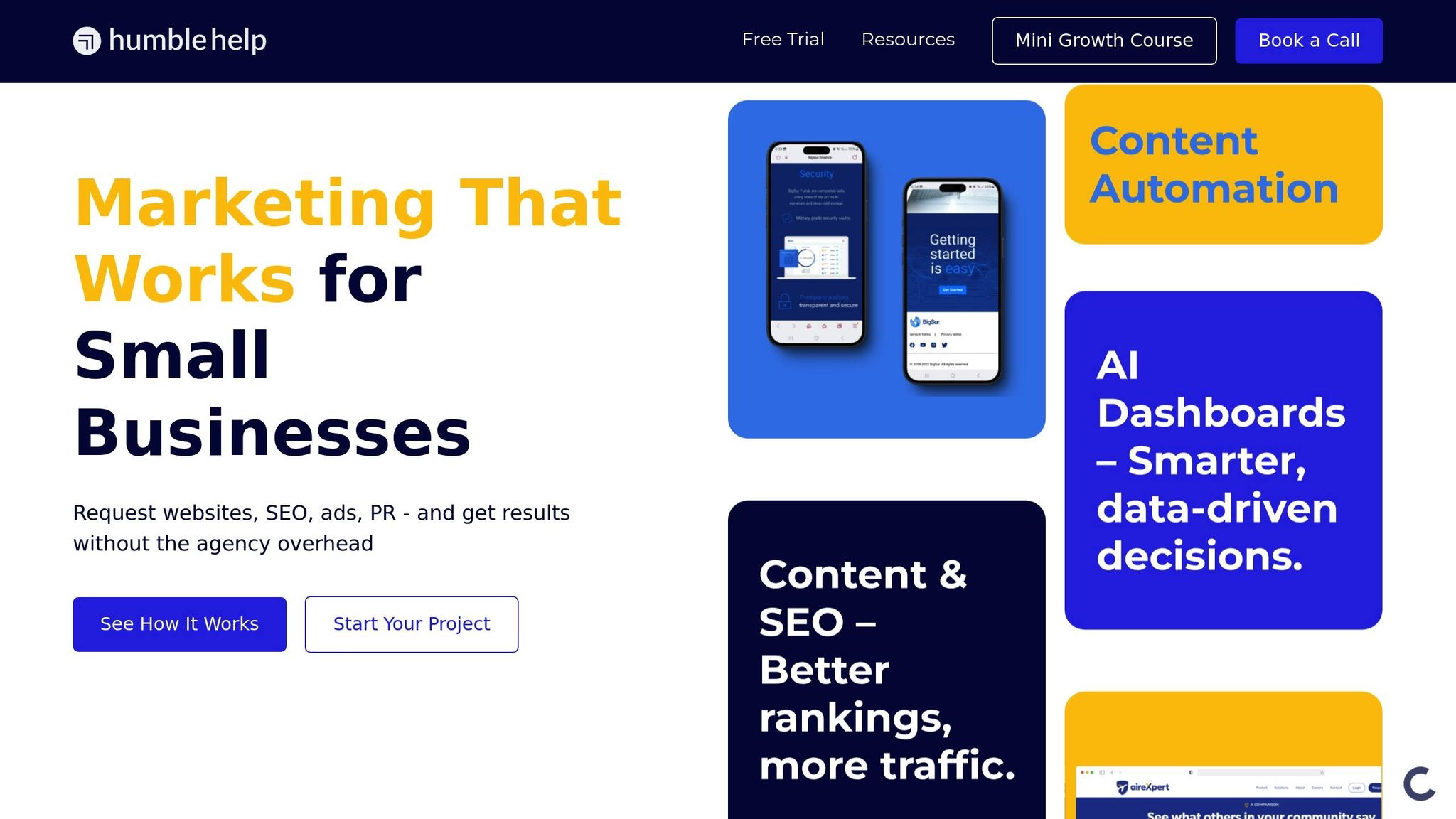
Professional support can be a game-changer for coaches, and that's where Humble Help steps in. They combine their expertise with your input to create a personalized, authentic approach to social media management.
For US-based coaches, their LinkedIn growth campaigns are especially useful. LinkedIn is a key platform for professional networking and client acquisition, and Humble Help takes a strategic approach. Instead of sending out generic connection requests, they focus on building meaningful relationships with your ideal clients through personalized outreach and valuable content.
Another standout service is their lead magnet creation. Turning followers into leads can be tricky, but Humble Help takes care of the entire process - from brainstorming ideas to designing resources that resonate with your audience. This positions you as a trusted expert in your niche while providing tangible value to potential clients.
Humble Help also works closely with you to translate your coaching philosophy and success stories into compelling, personal content. Their Brand Boost Package is a great starting point for coaches who want to test the waters. This free package includes a website check-up, a refreshed design layout, three press features, and three blog posts - offering a glimpse into professional marketing support without any upfront cost.
The main advantage for busy coaches? Humble Help handles the time-consuming tasks like content creation, graphic design, scheduling, and initial engagement. You still maintain control over your brand's direction and personal interactions with your audience, ensuring a balance between growth and authenticity. This approach helps you scale your practice without losing the personal touch that makes your coaching unique.
Creating a sustainable social media presence isn't about chasing perfection or quick wins. It's about showing up consistently, being authentic, and building genuine connections over time.
Start with a solid foundation. Focus your energy on the platforms where your ideal clients spend their time. For example, LinkedIn might be the go-to for executive coaching, while Instagram could be better suited for wellness coaching. Instead of spreading yourself too thin across multiple platforms, pick two key ones and commit to them. This focus allows your content to reflect your coaching style and resonate with the right audience.
Once you've chosen your platforms and outlined your content strategy, the next step is fostering meaningful connections. Your content should provide real value while showcasing your authentic coaching approach. Think about sharing client success stories, offering actionable tips, or giving a glimpse into the human side of your practice. The coaches who build loyal followings are those who consistently show up as themselves - not as overly polished marketing personas. From there, engagement becomes the cornerstone of building lasting relationships.
Engagement is the heart of social media. Respond thoughtfully to comments, ask questions that spark conversations, and take the time to connect on a personal level. These genuine interactions help build trust, turning casual followers into loyal clients. Remember, social media rewards meaningful engagement far more than it does vanity metrics like follower counts.
Set realistic goals for posting. Quality always trumps quantity. A steady, predictable posting schedule with valuable content is far more effective than sporadic bursts of activity followed by long silences.
As your coaching practice grows, your social media strategy should grow with it. What works when you're just starting out might not serve you as well once you're consistently booking clients. Stay flexible and refine your approach as your needs evolve.
The ultimate aim isn't to gain influence but to create connections that support your coaching success. By focusing on serving your audience with a thoughtful, consistent strategy, you'll naturally attract the clients who align with your expertise and vision.
To pick the best social media platform for your coaching business, start by considering where your target audience spends their time and the type of content you excel at creating. For instance, Instagram is ideal for sharing visual content like client success stories or motivational posts, especially if your audience falls within the 18–34 age group. On the other hand, LinkedIn is a strong option for professional networking and showcasing expertise, making it a top choice for B2B or executive coaching.
Looking to foster a sense of community? Facebook groups can help you engage with a diverse age range. If video content is your strength, platforms like YouTube are perfect for tutorials and educational content, while TikTok thrives on short, attention-grabbing videos that appeal to younger viewers. Ultimately, select the platform that aligns with your audience, niche, and content strengths to make the biggest impact.
To create social media content that truly connects with your audience as a coach, focus on sharing genuine insights and practical value. Post actionable tips, inspiring success stories, behind-the-scenes glimpses, and client testimonials. These not only highlight your expertise but also foster trust and credibility.
Keep your content dynamic by experimenting with different formats like videos, reels, carousels, and live sessions. Consistency matters - regular posting ensures you stay on your audience's radar. Make sure your topics align with what resonates most with your followers. By staying true to your voice and posting regularly, you'll build meaningful connections and maintain engagement.
To find the right mix of automation and personal touch on social media, start by automating routine tasks like scheduling posts and tracking performance. This approach not only saves time but also helps maintain a consistent presence.
At the same time, focus on real-time interactions. Reply to comments, messages, and mentions promptly to show your audience that you're genuinely engaged.
Adding personalized content - such as live videos, direct messages, or custom posts - can help you connect with your followers on a more meaningful level. By combining streamlined processes with authentic engagement, you can stay efficient while building trust and strong relationships.
Discover strategies to elevate your business.