In today’s competitive landscape, local businesses can no longer depend solely on traditional advertising like billboards or shared leads from platforms such as Yelp or Angie's List. The digital battleground has shifted, and Google Maps has become the ultimate tool for capturing local customers. If you’re a small business owner looking to grow your visibility and lead flow, mastering Google Maps SEO is critical to staying ahead.
This guide provides a transformative roadmap to help small and local businesses dominate Google Maps rankings. Utilizing actionable strategies and insights, you’ll learn how to build trust, optimize your presence, and generate more leads - all without overwhelming complexity. Let’s dive in!
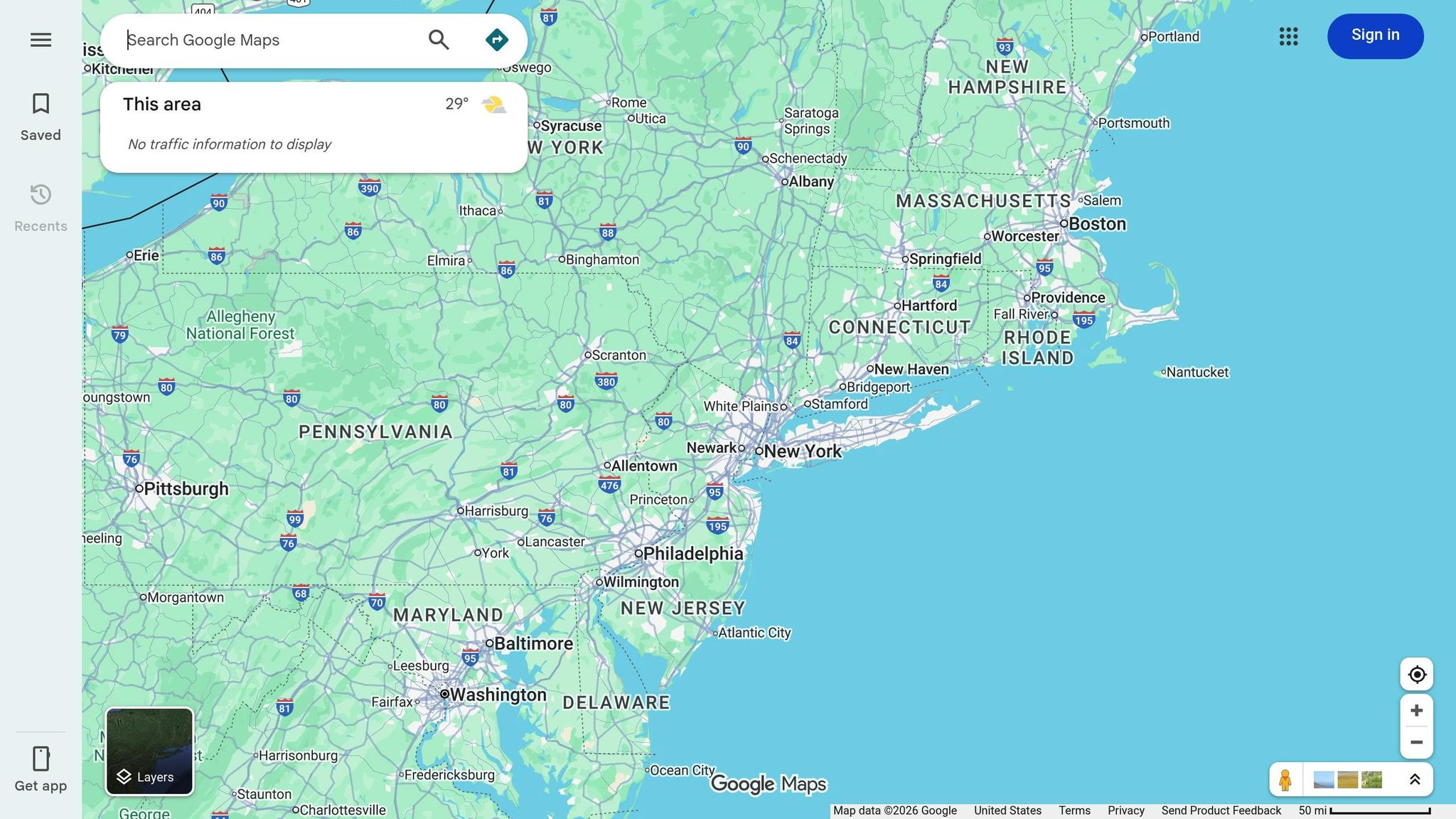
Most businesses assume ranking on Google requires expensive consultants or years of effort. The truth? With the right systems and understanding of Google’s algorithms, you can climb to the top of the local search rankings in just a few months. Showing up high on Google Maps not only increases visibility but also establishes credibility with potential customers. For small businesses, Google Maps SEO can be the difference between growing consistently or struggling for leads.
Your business name plays a pivotal role in your ability to rank on Google Maps. However, it’s not about stuffing keywords into the official LLC name. Instead, use a DBA (Doing Business As) strategy to include your target keyword. Here’s how it works:
This approach allows you to incorporate keywords in a way that Google recognizes as legitimate, helping you rank higher while maintaining compliance with its policies.
Verification is crucial for activating your Google Business Profile. The process in 2026 has become more stringent, often requiring video proof. Follow these steps to ensure smooth verification:
Once submitted, Google will verify your business. After approval, don’t make any changes to your profile for seven days to avoid triggering a suspension.
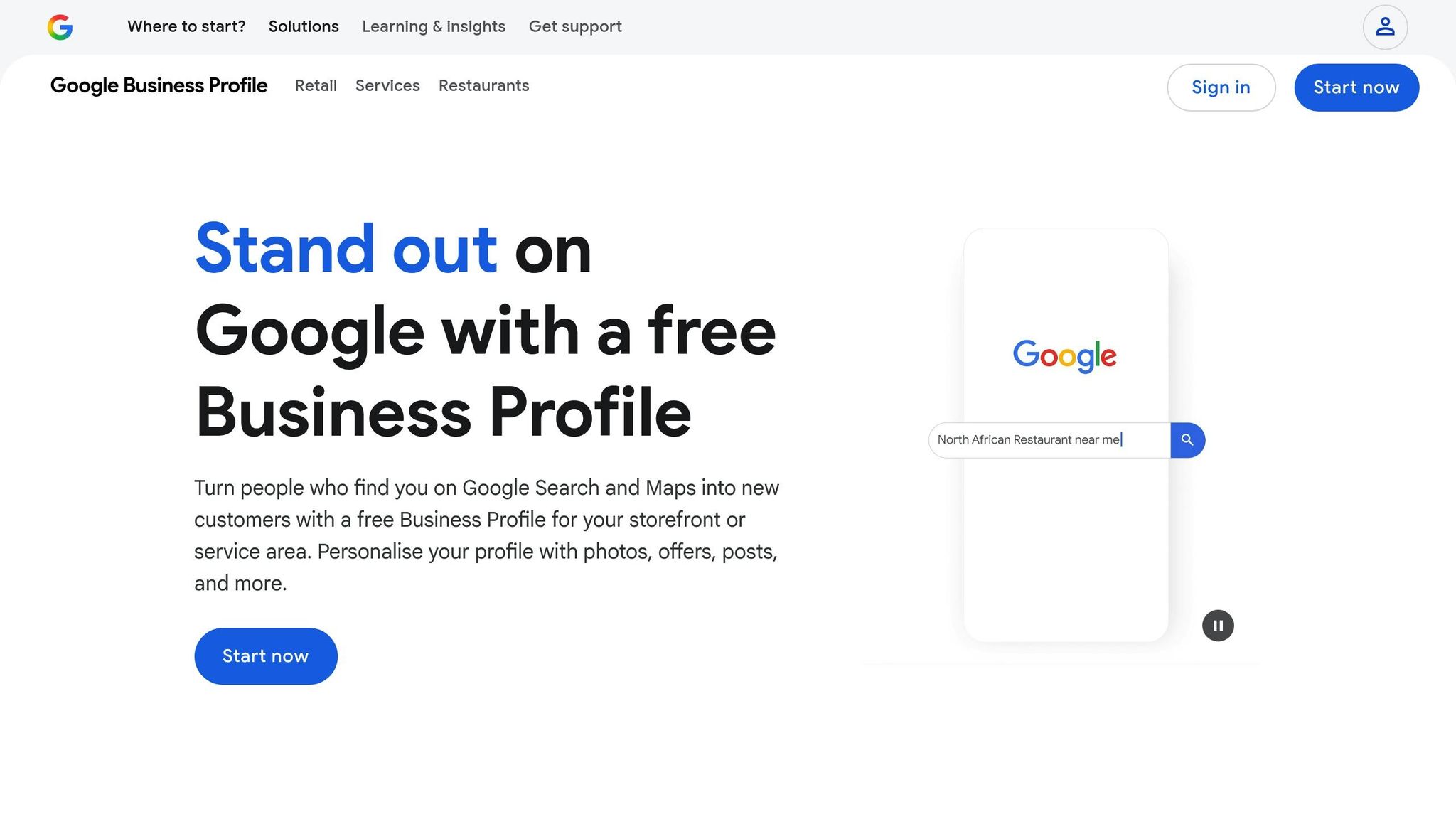
Your Google Business Profile is the cornerstone of local SEO. An optimized profile not only helps you rank higher but also converts more visitors into customers. Here’s a step-by-step checklist:
Include every service you offer under the "Edit Services" tab. Use keyword-rich descriptions to align with local search terms.
Set your profile’s opening date to the year the business was established - not the date you created the profile. Google gives older businesses a slight ranking advantage.
Even if you have a physical location, make sure your service area covers all locations within a two-hour drive.
Connect your website and social profiles to your GBP. This cross-verification boosts trust with Google.
For productized services, such as fixed-price offerings, add them under the "Products" section. Include starting prices and images to attract more clicks.
Forget flashy, expensive websites. Your website should focus on SEO optimization and conversion, not aesthetics. Focus on these three essential types of pages:
Highlight your services, unique selling points, and service areas clearly.
Create a separate page for each major service you offer. This helps Google rank your business for specific search queries.
For multi-location businesses, build a page for each city or service area. This improves your chances of ranking in multiple locations.
Finally, ensure your website has clear calls-to-action (CTAs) such as "Call Now" or "Request a Quote" buttons that are always visible, even when scrolling.
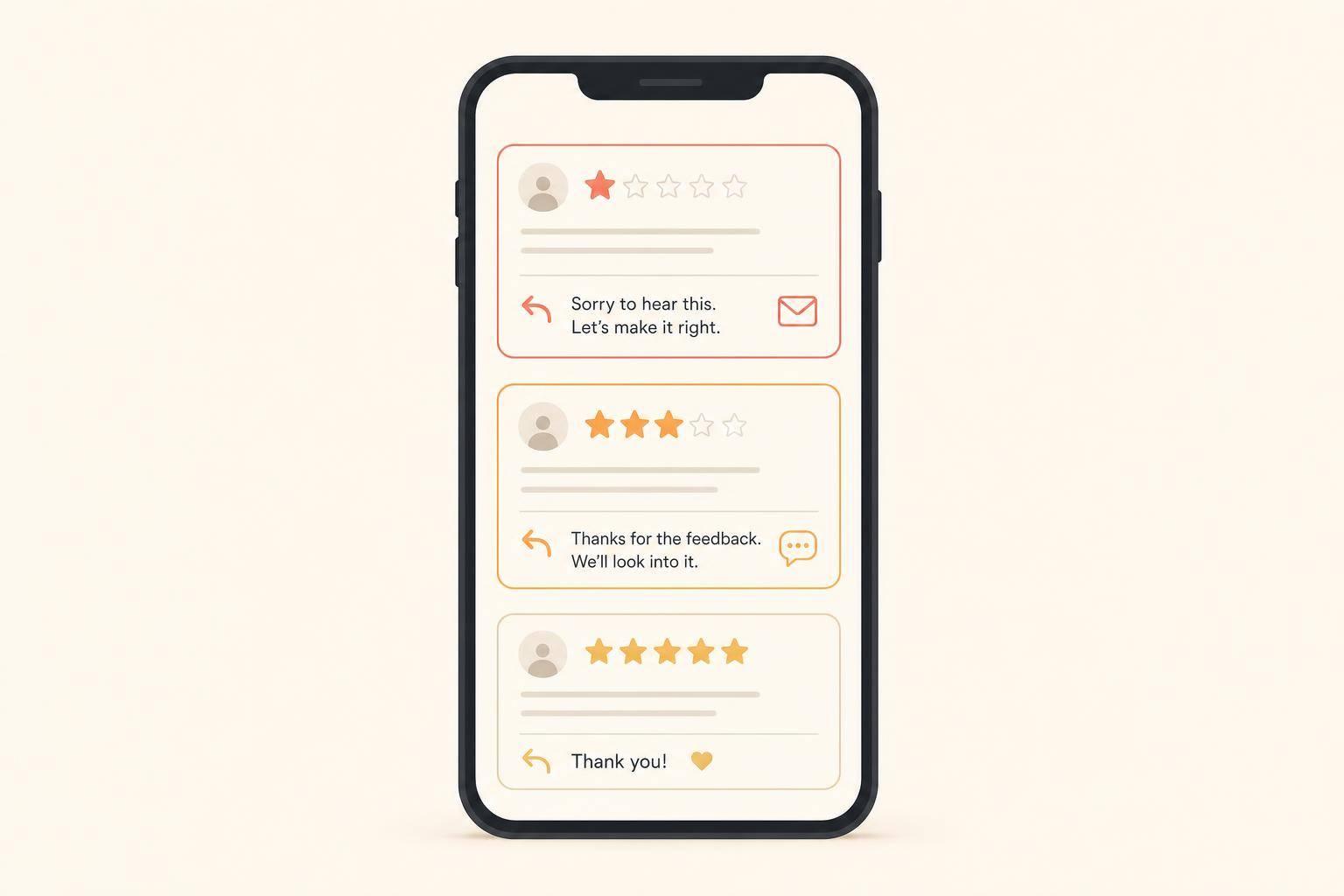
Google reviews are the backbone of trust in local SEO. But it’s not about getting the most reviews - it’s about focusing on quality and consistency. Here’s what matters most:
Activity signals are key to ranking higher. Keep your profile updated with fresh content, including:
Citations (business directory listings) and backlinks (links from other websites) are essential for building trust with Google.
The key to dominating Google Maps is consistency. Many businesses give up after 30–60 days because they don’t see immediate results. However, local SEO success compounds over time as you grow reviews, content, and backlinks. Stick with it for six months or more to see major shifts in leads and visibility.
Ranking #1 on Google Maps is not about tricking the system; it’s about proving that your business is the most active, reliable, and trustworthy option in your local area. By following these steps, small business owners can create a powerful growth engine that drives visibility, leads, and ultimately, more revenue. Consistency and patience are the secret weapons that set you apart from competitors who give up too soon.
If you’re ready to take control of your local SEO, remember that your efforts today will pay off exponentially in the months and years to come. Now is the time to put these strategies into action and start climbing the Google Maps rankings!
Source: "If I Started a Local Business in 2026, I'd Do This to Rank #1 on Google" - Noah Igler - Local Service Business SEO, YouTube, Dec 30, 2025 - https://www.youtube.com/watch?v=gDGF9THgHnQ
Discover strategies to elevate your business.