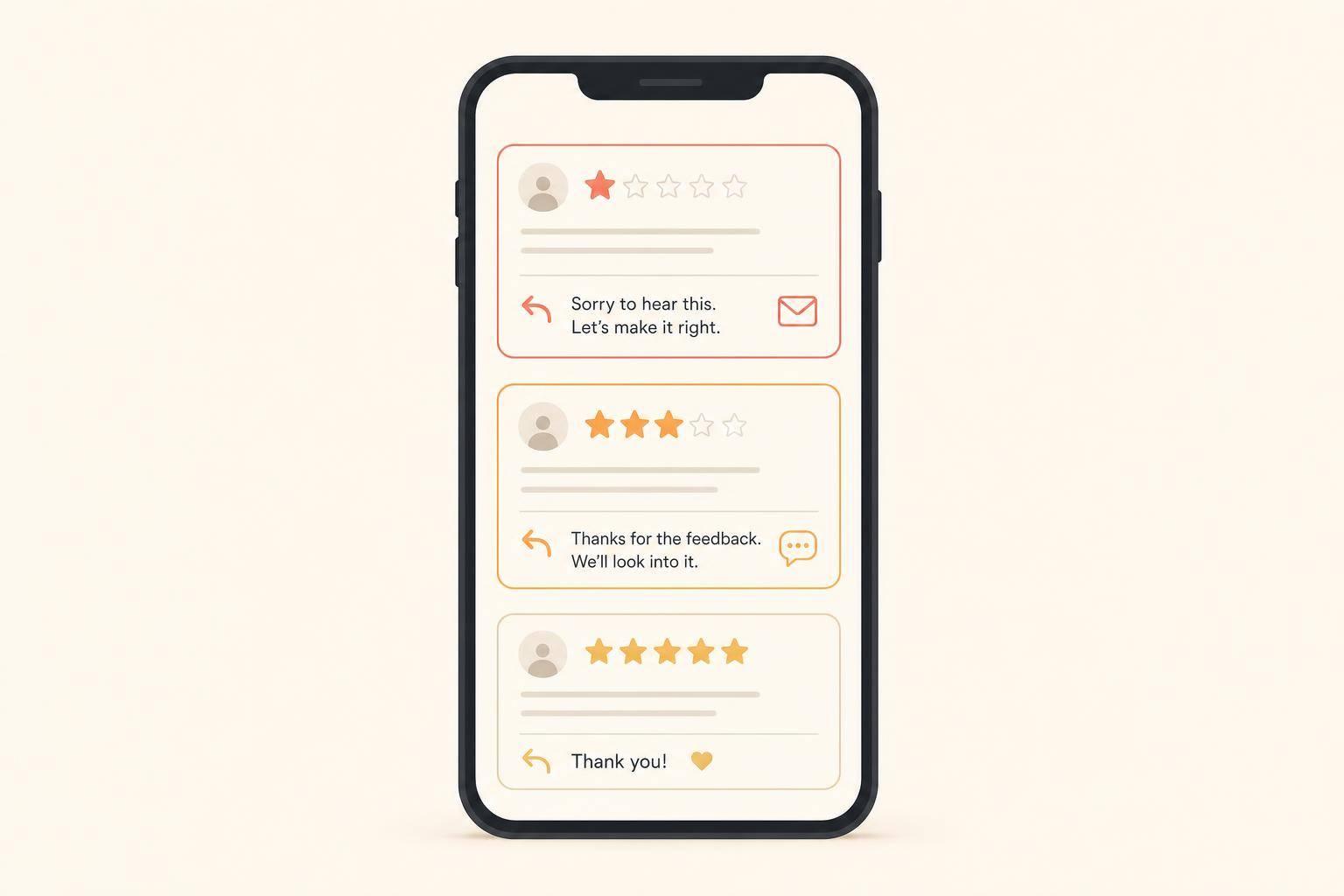
AI email triggers help small businesses send timely, personalized emails based on customer actions. They improve engagement, save time, and boost marketing results by automating tasks like cart recovery, post-purchase follow-ups, and re-engagement campaigns.
To get started, choose an email platform with AI tools, ensure compliance with privacy laws, and test your campaigns regularly to improve performance.
AI email triggers help small businesses deliver personalized, behavior-based emails. Here are three main types of triggers, each designed to send messages based on specific customer behaviors.
These triggers respond to what customers do, engaging them when they're most interested:
These triggers focus on enhancing the customer experience during and after a purchase:
These triggers use timing and customer data to create well-timed campaigns:
To get started, experiment with one or two trigger types, then refine your strategy based on results and feedback.
Early findings show that AI-powered email triggers often perform better than traditional campaigns. Why? They focus on better personalization, precise timing, and improved deliverability. This means emails are more likely to land in inboxes and get quicker responses.
Case studies highlight gains in open rates, click-throughs, and revenue. However, these numbers aren't fully verified yet. For small businesses, it’s a smart move to run their own tests to see how AI-driven email triggers work within their unique marketing strategies.
To truly understand the impact, more independent research and thorough testing are essential. This will help paint a clearer picture of the real benefits AI can bring to email marketing.
This section showcases how small businesses across different industries effectively use AI email triggers to enhance their operations. Each example builds on the benefits discussed earlier.
Small retail businesses tap into AI email triggers to analyze buying habits and encourage repeat visits. Many start with simple strategies like post-purchase follow-ups or abandoned cart reminders. As they see results, they expand their automation efforts to include more targeted campaigns.
Service-based businesses rely on AI-driven triggers to maintain regular communication with clients. Examples include sending maintenance reminders, marking service anniversaries, or delivering behavior-based messages. These efforts help build loyalty - just make sure to keep messages personal yet mindful of privacy.
For SaaS businesses, aligning AI email triggers with how users engage with their product is key. By tracking usage patterns and sending timely, relevant messages, these companies can nudge users toward conversions. Regular testing and tweaking of these triggers ensure they remain effective.
While results depend on factors like industry, market conditions, and execution quality, small businesses should monitor their performance closely and adjust their strategies as needed.
Start by evaluating your email list size, expected growth, and technical needs. For smaller businesses, look for platforms with flexible pricing and basic AI tools that can scale as you grow.
When selecting a platform, prioritize these features:
If you're a small business, consider platforms like Humble Help (https://humblehelp.studio), which combine AI-powered email automation with broader marketing tools.
Once you've chosen a platform, configure it to align with both technical needs and legal requirements.
To set up AI email triggers, you’ll need to handle both technical and legal aspects. Start by reviewing your data collection practices to ensure compliance with GDPR and CAN-SPAM regulations.
Here’s how to get started:
Once your AI email triggers are live, testing is crucial to ensure they perform well and meet your goals.
Using AI-powered email triggers can streamline marketing efforts and help small businesses connect more effectively with their customers.
To get started, focus on automations that deliver quick results. Examples include welcome emails, purchase confirmations, cart abandonment reminders, and post-purchase follow-ups. These are simple yet impactful ways to engage your audience.
Here’s how to move forward:
Remember, AI email triggers should complement - not replace - genuine, personal communication. Businesses that maintain their brand’s voice while using automation tend to see better results.
If you’re looking for expert help, platforms like Humble Help offer a mix of AI tools and professional guidance tailored to small businesses.
Discover strategies to elevate your business.