Building a thriving email list can feel like climbing a mountain when you’re just starting out as a coach, but it’s one of the most powerful tools you can leverage to grow your business sustainably. Why? Because email marketing gives you control, consistency, and a direct line to your ideal audience - without relying solely on social media algorithms.
In this guide, we’ll break down the step-by-step process to grow an email list from scratch. Whether you’re a business, life, career, or executive coach, these strategies are tailored to help you generate leads, nurture trust, and scale your business effectively.
By the end of this article, you’ll have a clear roadmap for creating an email list that not only grows but also converts leads into paying clients. Let’s dive in!
Think about how much time most coaches spend creating content for platforms like Instagram, Facebook, or YouTube. While these platforms are fantastic for reaching audiences, you’re always at the mercy of their algorithms and rules. What happens if your account is banned, or if engagement suddenly drops?
An email list is different:
By building an email list, you create a foundation for sustainable growth, allowing you to maintain relationships, build trust, and make offers without interruptions.
The first step in growing your email list is to offer something your audience wants in exchange for their email address. This is called a lead magnet - a valuable freebie that solves a specific problem for your ideal client.
Before creating your lead magnet, get crystal clear on your Ideal Client Profile (ICP). Ask yourself:
For example, the mindset of a 25-year-old entrepreneur seeking leadership coaching is very different from a 50-year-old executive looking for work-life balance. Tailoring your lead magnet to your ICP ensures it resonates deeply and attracts the right audience.
Creating a high-value lead magnet is only half the battle. Now you need a way to collect emails and manage the flow of leads into your business. Here’s how you do it.
Your lead magnet doesn’t matter if no one sees it. To generate attention, you need to showcase your offering using one (or more) of these channels:
The key is choosing the channel that aligns with your strengths and resources.
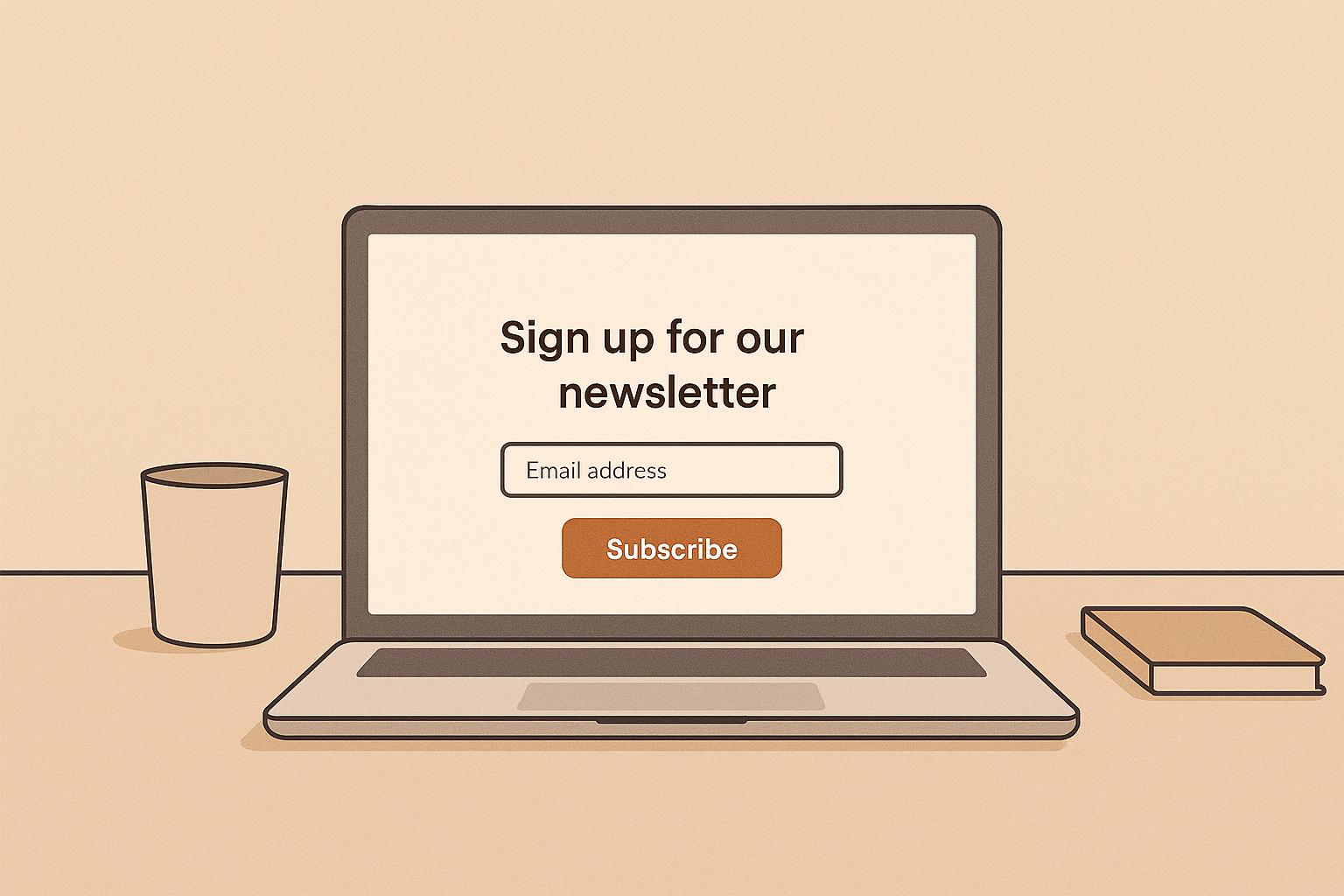
Once you’ve generated attention, you’ll need a system to capture email addresses. A landing page is the most effective way to do this.
A landing page is a simple, focused web page designed to convert visitors into subscribers. It includes:
Automation tools like Go High Level or similar platforms can streamline this process, automatically delivering your lead magnet and adding new subscribers to your email database.
Getting someone’s email address is just the beginning. To build trust and position yourself as an authority, you have to nurture those leads.
Coaching is a trust-based industry. Many potential clients are skeptical or hesitant because they’ve been burned before or simply don’t know enough about you. Consistent nurturing bridges this gap.
For example, if your lead magnet was about improving productivity, follow up with tips for managing time, overcoming procrastination, or building effective habits.
One of the biggest mistakes coaches make is forgetting to ask for the sale. You’ve built trust, demonstrated value, and nurtured your audience - now it’s time to invite them to take the next step.
A call to action is a clear, direct invitation for your audience to do something, such as:
Without a CTA, even the most engaged leads might not realize how to work with you. Be intentional and specific in your invitations.
Building an email list isn’t just about collecting names and addresses - it’s about creating connections, fostering trust, and empowering your business to thrive long-term. Whether you’re just starting or looking to refine your current approach, the steps outlined here can help you scale your coaching business sustainably.
By following these strategies, you’re not just growing an email list. You’re building a loyal audience that knows, likes, and trusts you - an audience ready to take action on your offers when the time is right.
Source: "How to Build a Mailing List & Grow Your Coaching Audience Fast" - Chris Barry, YouTube, Sep 6, 2025 - https://www.youtube.com/watch?v=bvcdEPVNWmw
Use: Embedded for reference. Brief quotes used for commentary/review.
Discover strategies to elevate your business.