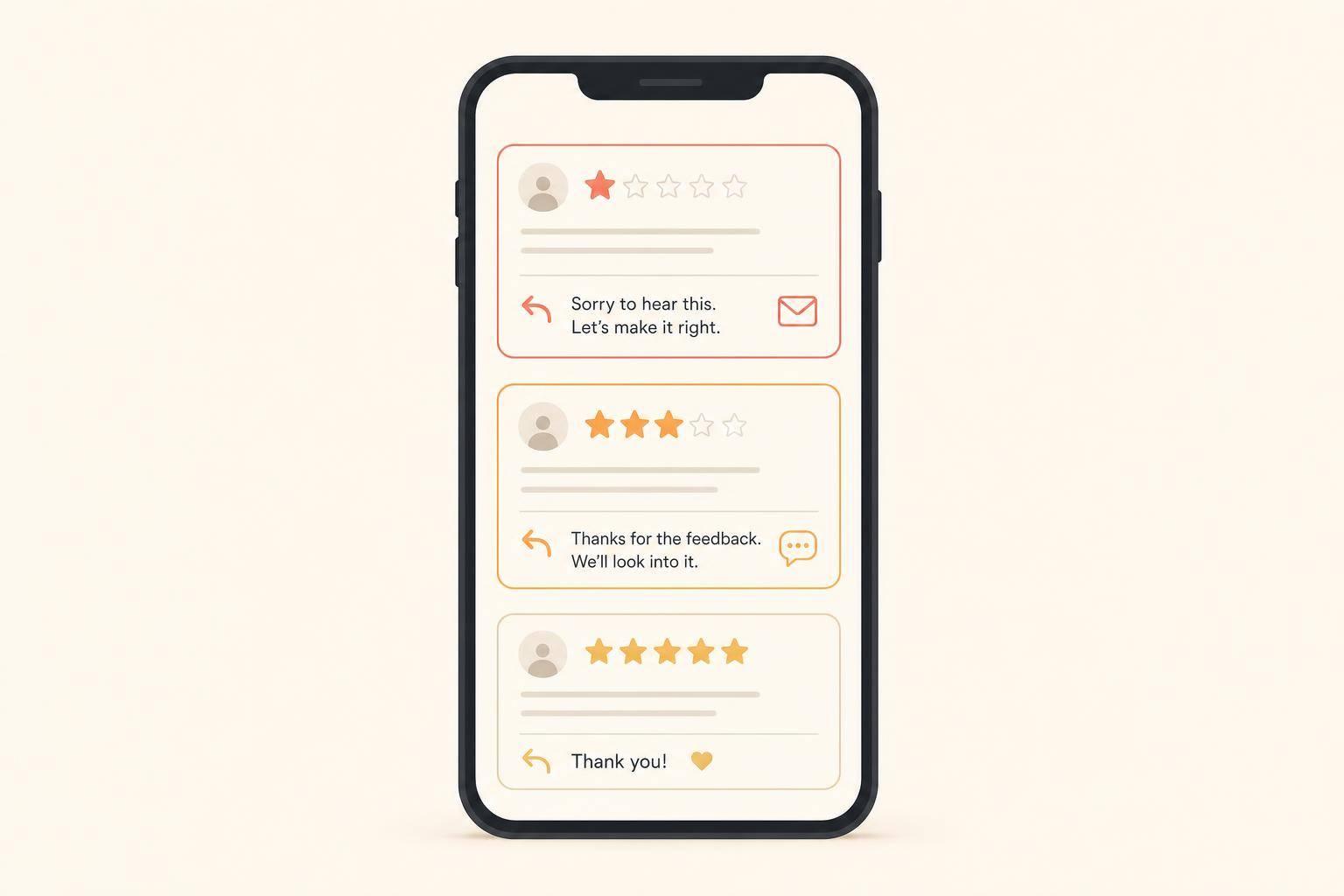
Running a small business feels overwhelming when customer information is scattered across sticky notes, emails, and spreadsheets. This disorganization leads to missed opportunities, lost revenue, and frustrated customers. Studies show 80% of leads go cold due to poor follow-ups, while 78% of customers lose trust in businesses that seem unreliable.
A CRM (Customer Relationship Management) system solves this chaos by centralizing customer data, automating follow-ups, and streamlining workflows. Businesses using CRMs see a 41% increase in revenue per salesperson and are 86% more likely to exceed sales goals. For small businesses, affordable CRMs like Humble Help CRM, HubSpot, or Zoho CRM offer practical tools to stay organized and focused on growth.
Key takeaways:
Switching to a CRM is simple: identify your needs, test a few options, and train your team to use it consistently. Ready to ditch the chaos? A CRM can help you take control and grow your business.
A CRM system is your solution to scattered notes, overflowing inboxes, and unreliable spreadsheets. Acting like the brain of your operations [5], it consolidates all customer information, conversations, and follow-ups into one easily searchable hub. No more digging through endless email threads or trying to remember details from weeks ago - your team can access a complete customer history in just seconds. Here's how a CRM brings order to the madness.
A CRM keeps tabs on your leads as they navigate through your sales pipeline, automatically updating their statuses and logging every interaction [6]. Modern systems go a step further, handling repetitive tasks like sending welcome emails to new sign-ups, setting reminders for follow-ups, and even scoring leads to identify top prospects [6]. The result? Less time spent on admin work and more time focused on building meaningful relationships. Beyond just storing data, a CRM enhances your workflow at every step.
"A CRM acts as our second brain... storing it all for us." - Alykhan Jetha, Founder of Marketcircle [3]
The numbers tell the story: Businesses using a CRM experience a 41% boost in revenue per salesperson [2], and 63% of small business leaders say it helps them deliver better and faster customer service [6]. A CRM eliminates uncertainty by clearly showing where each lead stands and what commitments were made, ensuring no follow-up falls through the cracks.
With 81% of sales and marketing professionals now using CRM tools with automation features [7], tasks like sending follow-up emails or updating statuses happen automatically. This gives you more time to focus on closing deals. Plus, with all customer data centralized, any team member can step in seamlessly, making the CRM your go-to resource for consistency and ensuring no details slip through the cracks.
Not all CRMs are created equal, and small businesses don’t need the overwhelming complexity of enterprise-level solutions. What you do need are tools that tackle the everyday chaos - scattered contacts, missed follow-ups, and disconnected systems. Let’s break down three must-have CRM features that can transform the way you work.
A good CRM brings all your customer information - names, contact details, social media profiles, and interaction histories - into one easy-to-navigate database. Imagine being able to pull up a customer’s entire history with just a few clicks. Many modern CRMs also include visual sales pipelines with drag-and-drop functionality, so you can instantly see which deals are progressing, which leads need attention, and how prospects found you.
Some systems even use AI to score leads automatically. By analyzing actions like clicking on links or downloading materials, the CRM can prioritize prospects who are most likely to convert. This is a game-changer for small businesses, especially since 46% of small and midsized businesses are already leveraging AI to gain customer insights [8]. This feature eliminates the headache of scattered data and helps you focus on the opportunities that matter most.
Repetitive tasks can eat up valuable time, but automation can take them off your plate. CRMs with automation features can assign leads, log emails, and send instant replies, ensuring no customer inquiry slips through the cracks. Businesses using automation report a 20% reduction in costs [10], and instant responses make customers 42% more likely to follow through with a purchase [10].
Think of automation as your personal assistant, keeping everything on track while you focus on growing your business. Automated alerts and reminders ensure follow-ups happen on time, while email logging and lead assignments keep your team organized without constant manual input.
A CRM that integrates with the tools you already use is essential. Email and calendar integration - whether with Gmail, Outlook, or another platform - lets you log emails, track opens and clicks, and sync meetings seamlessly. Look for CRMs that connect with accounting software like QuickBooks, marketing platforms like Mailchimp, or communication tools like Slack.
If you run an e-commerce store, integrations with Shopify or your Point-of-Sale system can track purchase history and even trigger loyalty campaigns. Mobile access is just as important - 99% of IT leaders agree that businesses must be mobile-enabled to stay competitive [6]. With fully functional iOS and Android apps, your team can update deals and access customer information from anywhere.
When your CRM works hand-in-hand with your other tools, it creates a unified system where data flows freely. This eliminates silos and boosts efficiency, helping businesses generate three times more leads and close 94% more deals [9]. It’s all about making your tools work smarter, not harder.

Affordable CRM Comparison for Small Businesses: Features and Pricing
Managing customer relationships doesn't have to break the bank. Plenty of CRMs offer free plans that cover the basics - like contact management, pipeline tracking, and mobile access - at no cost. While free plans often limit users (typically 2–3) or cap the number of contacts, they’re often enough for small businesses just getting started to take control of their customer interactions.
When choosing a CRM, focus on finding one that delivers the features you need at a price that works for your budget. Many affordable CRMs reserve advanced tools - like automation or detailed reporting - for higher-tier plans, so it’s worth comparing what’s included at each pricing level. On average, small businesses spend between $35 and $105 per user per month on CRMs [8], but there are plenty of solid options that start well below that range. Here's a closer look at some affordable CRMs that pack in the essentials.
Here’s a side-by-side breakdown of affordable CRMs tailored for small businesses:
| CRM Tool | Free Plan | Starting Paid Price | Ideal For | Key Features |
|---|---|---|---|---|
| Humble Help CRM | Yes (unlimited users) | Free | Simplicity & all-in-one tools | Lead tracking, deal management, AI marketing coach, analytics dashboard |
| HubSpot CRM | Yes (2 users, 1,000 contacts) | $15/user/month | All-in-one marketing & sales | Email templates, reporting dashboards, AI writer |
| Zoho CRM | Yes (3 users, 5,000 records) | $14/user/month | Scalability & deep integrations | Lead scoring, sales forecasting, customizable workflows |
| Capsule CRM | Yes (2 users, 250 contacts) | $18/user/month | Ease of use & simplicity | Contact management, tasks, mobile app |
| Freshsales | Yes (3 users, unlimited contacts) | $9/user/month | AI-powered lead insights | Sales pipeline, Freddy AI assistant, 24/5 support |
| Pipedrive | No | $14/user/month | Visual pipeline management | Drag-and-drop sales stages, mobile app, deal tracking |
When comparing these options, think about what your team will actually use. For example, Pipedrive has helped businesses like SoMe, a digital marketing agency, boost their close rate by 60%, grow revenue by 133%, and cut their sales cycle in half. Similarly, SiteForce, a field operations company, doubled its revenue and tripled its team size after adopting Pipedrive. Co-owner Ron Daniels credits the tool’s simplicity and effective integrations as game-changers [12]. The right CRM doesn’t just fit your budget - it enhances your workflow and strengthens your customer relationships.
Among these options, Humble Help CRM stands out for its combination of features and affordability. With a free plan that supports unlimited users, it offers everything a small business needs to stay organized - lead tracking, deal management, and follow-up reminders - all in one intuitive platform.
What sets Humble Help apart is its Milo AI Marketing Coach, which provides actionable guidance on how to improve your marketing efforts step by step. Plus, the free analytics dashboard lets you monitor website traffic and visibility without needing extra tools or subscriptions.
For small businesses looking to stay efficient without juggling multiple tools, Humble Help CRM provides a straightforward, all-in-one solution that grows alongside your business. It’s a no-frills way to stay on top of customer relationships without stretching your budget.
Now that you understand how a CRM can streamline your processes, let’s dive into the steps to set it up effectively.
Before picking a CRM, take a moment to pinpoint the exact challenges you’re facing. Are leads slipping through the cracks? Do follow-ups get forgotten? Does your team constantly wonder, "Who last spoke to this customer?" These questions will help you figure out which features are essential - whether it’s contact management, automated reminders, pipeline tracking, or something else entirely.
Make a clear distinction between must-have features and those that are just nice to have. For instance, if you’re a service business handling over 50 leads a week, automated follow-up reminders are critical. On the other hand, if you’re a small team managing a handful of clients, advanced sales forecasting might be unnecessary. Here’s a sobering fact: 44% of businesses lose over 10% of revenue due to poor or incomplete CRM data [13]. To avoid this, prioritize tools that simplify accurate data entry, like dropdown menus instead of open text fields [15].
Start with clean data. Deduplicate records, update outdated information, and standardize formats [2][9]. This step prevents the "garbage in, garbage out" scenario that often derails CRM implementation.
Most CRMs offer free trials or basic free plans - take advantage of them. Test two or three options using actual data to see how user-friendly they are. The goal isn’t to find the CRM with the longest list of features but to choose one that feels intuitive and easy to use.
"The key to non-technical CRM implementation is to start simple, build gradually, and prioritize ease of use over advanced features." - Sam Poole, Nutshell [2]
Also, check how well the CRM integrates with your existing tools, like Gmail, Outlook, calendars, or accounting software. Companies using integrated CRM tools generate 3x more leads and close 94% more deals [9]. Why? Because their teams save time by avoiding manual data transfers between systems. Once you’ve identified the most user-friendly option, focus on getting everyone on board.
After choosing a CRM, make it your single source of truth. Ditch old spreadsheets and require all customer interactions to be logged in the CRM [9]. While this might sound strict, it’s necessary for success. 75% of CRM implementation projects fail due to poor user adoption [2], so a firm approach is key.
Appoint a "power user" - someone on your team who’s comfortable with tech - to champion the CRM internally [2][9]. This person can answer questions, share tips, and ensure everyone keeps their records updated. Create simple, role-specific training materials, like screen recordings, to show each department exactly how to use the system [11][9].
It’s crucial to involve the people who’ll use the CRM daily. Their input is more valuable than any sales pitch. If a team member struggles to add a contact in under five minutes, that CRM isn’t the right fit [2].
Monitor adoption by tracking logins, data entry frequency, and how often team members use CRM-generated reports [14][2]. If someone isn’t logging in or using the system, they might need additional training or a better understanding of how the CRM benefits their role. Keep in mind that 55% of CRM buyers see a return on investment within six months [11], but only if the team uses the tool consistently.
Running a small business doesn’t have to feel like putting out fires all day. A CRM can act as your central hub, keeping customer data organized, automating follow-ups, and giving you a clear view of your business operations [5]. Forget relying on memory or sticky notes - CRMs provide a single, reliable source of truth. And let’s face it, spreadsheets aren’t always the answer (over 90% of them contain errors [1]).
The stats back it up: businesses using a CRM report a 41% boost in revenue per salesperson and are 86% more likely to hit their sales targets [2]. Most small businesses even recoup their initial costs in just 1–2 months, often achieving an ROI of over 160% [4]. Take Bruce Henry, for example - a small business owner who doubled his annual sales to $250,000 within a year of adopting a CRM [16]. These results show it doesn’t take much to see big changes.
If you’re looking for a straightforward solution, Humble Help CRM might be the tool for you. It’s a free, all-in-one platform that can track leads, manage deals, and keep your workflow organized - all without overwhelming your team. Pair it with tools like the Milo AI Marketing Coach to get actionable advice on what to improve next, and you’ll have a clear and actionable plan.
The secret to success lies in consistent use. Fully commit to your CRM by centralizing all customer interactions, cleaning up your data before importing it, starting with the core features, and training your team from the start. As Alykhan Jetha, CEO of Marketcircle, wisely puts it:
"A CRM isn't a side project; it's a central nervous system for your business" [5].
Ready to bring some order to the chaos? Start with a free CRM, test it out with real data, and watch your business transform from cluttered to clear.
A CRM strengthens trust by keeping all customer interactions - like emails, notes, and past issues - organized and accessible. This means your team can deliver consistent, well-informed responses every time, showing professionalism and dependability that fosters customer loyalty.
It also takes the hassle out of follow-ups by automating reminders and tasks. Whether it’s sending emails, assigning tasks, or setting up phone call alerts as deals progress, a CRM transforms manual processes into smooth, efficient workflows. The result? Saved time, faster responses, and fewer missed opportunities - key ingredients for keeping customers happy.
On top of that, shifting from scattered spreadsheets to a centralized system standardizes how follow-ups are tracked. This not only ensures nothing slips through the cracks but also provides clear metrics on response times and success rates. With this kind of visibility, you can fine-tune your outreach strategies and consistently deliver top-notch service, reinforcing your reliability in the eyes of your customers.
For small businesses, the right CRM should make life easier by simplifying operations and daily tasks. Start with centralized contact management - a single place to store all your customer and lead details, so nothing slips through the cracks or gets duplicated. Add a visual sales pipeline to quickly see where opportunities stand and what actions come next.
Automation tools are a must-have, handling tasks like email follow-ups, reminders, and lead assignments to save time and cut down on mistakes. Look for integration capabilities with tools you already use, like email, calendars, or accounting software, to keep everything connected and running smoothly. Features such as reporting dashboards, mobile access, and basic customization options ensure the CRM can adapt as your business grows - all without needing an IT specialist. With these essentials, you can stay on top of your workload, boost efficiency, and focus on what matters most: growing your business.
To get the most out of your CRM implementation, start by setting clear objectives. What do you want the system to accomplish? Whether it’s improving how you follow up with leads or simplifying workflows, having defined goals will guide the process. Bring in team members from key departments - like sales, marketing, and support - to make sure the system addresses everyone’s needs. Before migrating your data, take the time to clean it up; this helps avoid errors and ensures a smoother transition. Configure the CRM to fit your business processes, and don’t skip thorough testing before going live.
Getting your team on board is just as important as the technical setup. Offer training tailored to each role, establish clear guidelines for how the CRM should be used, and provide quick-reference materials for easy access. Demonstrate the system’s value by automating repetitive tasks and showing how it saves time. You can also encourage early adopters to share tips with the rest of the team and hold regular Q&A sessions to address any concerns. Celebrate key milestones and actively seek feedback to refine the system over time. This way, the CRM becomes a tool your team appreciates and relies on, rather than something they feel obligated to use.
Discover strategies to elevate your business.