In today’s fast-paced, AI-driven search landscape, small and local business owners are constantly seeking ways to increase their visibility and lead flow without overcomplicating their marketing efforts. For service-based businesses - from restaurants and home services to real estate and professional services - paid advertising represents a scalable, predictable way to grow.
This article distills the key insights from an expert discussion on scaling Meta ads (formerly Facebook ads), providing practical steps to harness paid advertising effectively in 2026. Whether you’ve dabbled in ads before or are new to the concept, this guide will outline the strategies and systems to help you generate consistent leads and build trust with potential customers.
For small businesses dependent on organic methods like referrals or social media content, scaling can feel daunting. Organic reach is unpredictable: while it’s crucial for building a brand, it’s impossible to guarantee consistent results. Paid ads, by contrast, allow you to reliably convert dollars spent into measurable outcomes.
Here’s why paid ads are transformative for service businesses:
As emphasized, a thoughtful ad campaign can take new prospects from "cold leads" - those unfamiliar with your business - to relationships built on trust and authority.
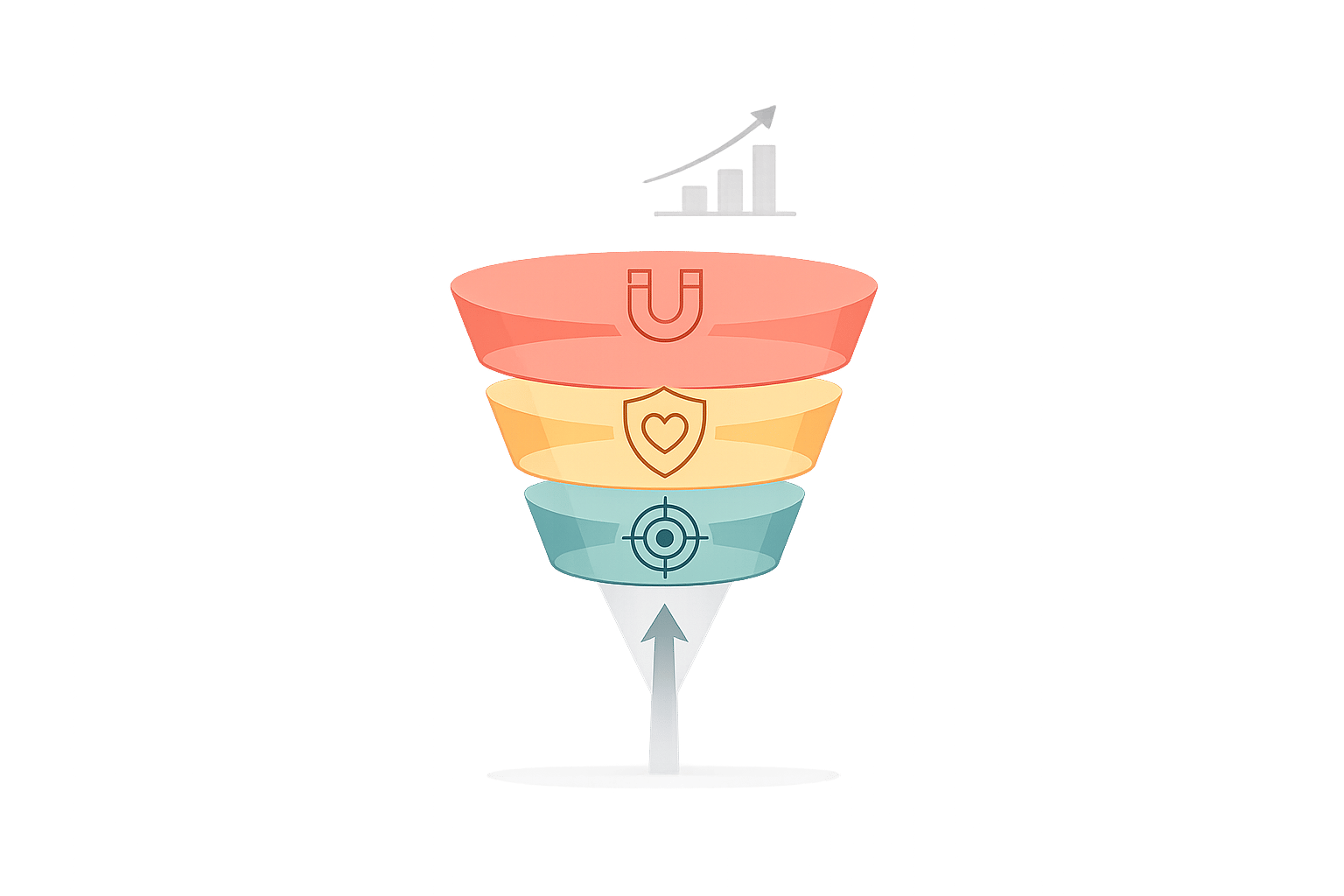
The biggest challenge with paid ads is that most people scrolling through social media have never heard of your business. To convert these cold leads, you must carefully craft a system that builds trust and authority quickly. Here’s how to move leads up the "trust scale" from zero to becoming loyal customers:
Lead magnets are informational assets that attract prospects by providing immediate, meaningful value. For example:
The purpose of a lead magnet is twofold:
By giving away free, high-value content, you begin to nurture trust with potential customers even before speaking to them.
While lead magnets are low-effort and evergreen, webinars allow you to build a deeper relationship with potential customers. Hosting a live or pre-recorded session on a relevant topic enables you to:
Though more effort-intensive, webinars are effective at creating trust and converting leads into clients.
Once you’ve captured leads, nurture them consistently with email marketing. Many small businesses fail to maximize the value of their email lists, leaving money on the table. By sending timely, informative updates - market changes, tips, or promotions - you stay top of mind with prospects and build an ongoing relationship.
For example:
Remember, building trust is about staying relevant and helpful over time.
If you’re ready to implement paid ads, Meta (Facebook and Instagram) is a powerful platform to start. Below is a simplified framework for creating ads that deliver results.
The Facebook Pixel is a small piece of code you place on your website to track visitors and their actions. This data helps Meta’s algorithm optimize your campaigns over time. To install the Pixel:
Your ads should direct prospects to a custom landing page designed specifically to gather contact information. For example:
Your ad creative (video or image) and copy must grab attention while addressing your audience’s pain points. Effective ads:
Meta Ads Manager offers optimization settings like "Advantage+ Campaign", which uses AI to improve performance. Allow the platform to auto-optimize whenever possible, as Meta’s algorithm is designed to find the best audience for your ads.
As your campaign runs, track these key metrics:
Remember, the success of paid ads depends on clean data and consistent iteration. If a campaign underperforms, adjust the creative, targeting, or landing page.
While paid ads are a fast way to generate leads, combining them with organic content builds long-term brand recognition. Organic efforts - like posting videos, sharing stories, or engaging with followers - establish your authority and trust over time. This, in turn, makes your paid ads perform better as prospects already recognize your name.
For example:
Remember: "Authority is built in the feed, trust is built in stories, and deals are done in the DMs."
Scaling your service business with Meta ads in 2026 isn’t just about spending money; it’s about creating a system that consistently delivers leads while building trust and authority in your market. By combining paid strategies with organic content, you can create a sustainable pipeline of customers who not only find you but choose you over the competition.
Whether you’re launching your first campaign or refining an existing strategy, these insights provide the foundation to navigate paid ads with confidence and purpose. Focus on delivering value, leverage automation, and let your expertise shine through every step of the customer journey.
Source: "2026 Marketing Strategy for Service/Local Businesses" - Eddie Maalouf, YouTube, Jan 8, 2026 - https://www.youtube.com/watch?v=jAGTr6A16MM
Discover strategies to elevate your business.