How to Sell Coaching in 2025: Phone & Zoom Strategies

September 12, 2025
5 min read
Vick Antonyan

In an age of automation, artificial intelligence, and endless digital tools, selling coaching services has become a balancing act. For coaches looking to scale their businesses, the challenge often lies in cutting through the noise and building authentic connections with potential clients. While many lean heavily on DMs, emails, and other automated approaches, the reality is clear: nothing beats human interaction when it comes to converting prospects.

This article dives into the essential strategies for selling coaching services in 2025, based on key insights from a discussion about how coaches can leverage phone and Zoom calls to grow their businesses. If you’ve been frustrated with stagnant sales or low client conversion rates, this guide will help you refocus on what matters most - human connection.

The Importance of Real Conversations in Coaching Sales

The coaching industry is built on transformation and trust, not just information. While automation and AI are valuable tools for streamlining processes, they are no substitute for genuine human connection. As one expert noted, "People don’t need more information - they can get that from AI. What they need is accountability, coaching, and heart-to-heart connection."

This distinction is critical. Coaching is not just about handing over a plan or strategy; it’s about walking alongside someone as they work toward their goals. And that journey often begins with a powerful sales conversation. Here are some of the key reasons why these personal interactions are non-negotiable:

  • Human connection builds trust: Speaking directly to a prospect, whether on the phone or via Zoom, allows you to understand their challenges, fears, and motivations in a way text-based communication cannot.
  • Overcoming skepticism is easier face-to-face: Many potential clients have tried and failed to achieve their goals on their own, which can leave them hesitant to commit. Personal conversations provide an opportunity to address their doubts and reassure them.
  • Consumers crave accountability and support: The mere act of having a conversation with a coach reinforces the idea that the coach is invested in their success - a feeling that no email or DM can replicate.

Breaking Down the Sales Strategies: What Works and What Doesn’t

When it comes to selling coaching services, there are several methods coaches typically rely on, including emails, DMs, WhatsApp messages, phone calls, and Zoom calls. Let’s explore these strategies in detail, highlighting their strengths and weaknesses.

1. Selling via Email

Selling through email is often touted as a low-effort way to reach potential clients. While it may work for established brands with massive followings, it is rarely effective for independent coaches. The reality is that email lacks the personal touch needed to compel someone to invest in a coaching service, especially one with a higher price point.
  • Why it doesn’t work: Emails can feel impersonal, and it’s difficult to build trust or address objections through written communication alone. Unless you have a highly engaged audience and a well-established brand, this strategy is unlikely to yield significant results.
  • Exception: If you have an enormous, loyal audience - think celebrity-level influence - email campaigns may work. For most, though, it’s better used as a supplementary tool rather than a primary sales strategy.

2. Selling via DMs or WhatsApp

WhatsApp

Direct messages and apps like WhatsApp are often seen as a quick and easy way to engage with potential clients. While they can be useful for initiating conversations or answering basic questions, they are not ideal for closing high-ticket coaching sales.

  • Why it’s limited: DMs and WhatsApp messages can feel transactional and lack the depth needed to build strong trust and connection. They are most effective when used to move a prospect to a phone or Zoom call.
  • Key insight: If you rely solely on DMs or WhatsApp to close sales, you risk being perceived as impersonal and interchangeable - especially if you’re using pre-written templates.

3. Selling via Phone

Phone calls remain one of the most effective methods for selling coaching services. They allow for real-time interaction, which helps build trust and address objections directly. A phone call can be used as a "triage" step to qualify leads or as the final sales conversation.
  • Pros: Phone calls are quick, efficient, and less intimidating than Zoom for some prospects. They also offer a personal touch that makes clients feel heard and valued.
  • Cons: Without visual cues, it can sometimes be harder to read a prospect’s emotions or objections.

4. Selling via Zoom

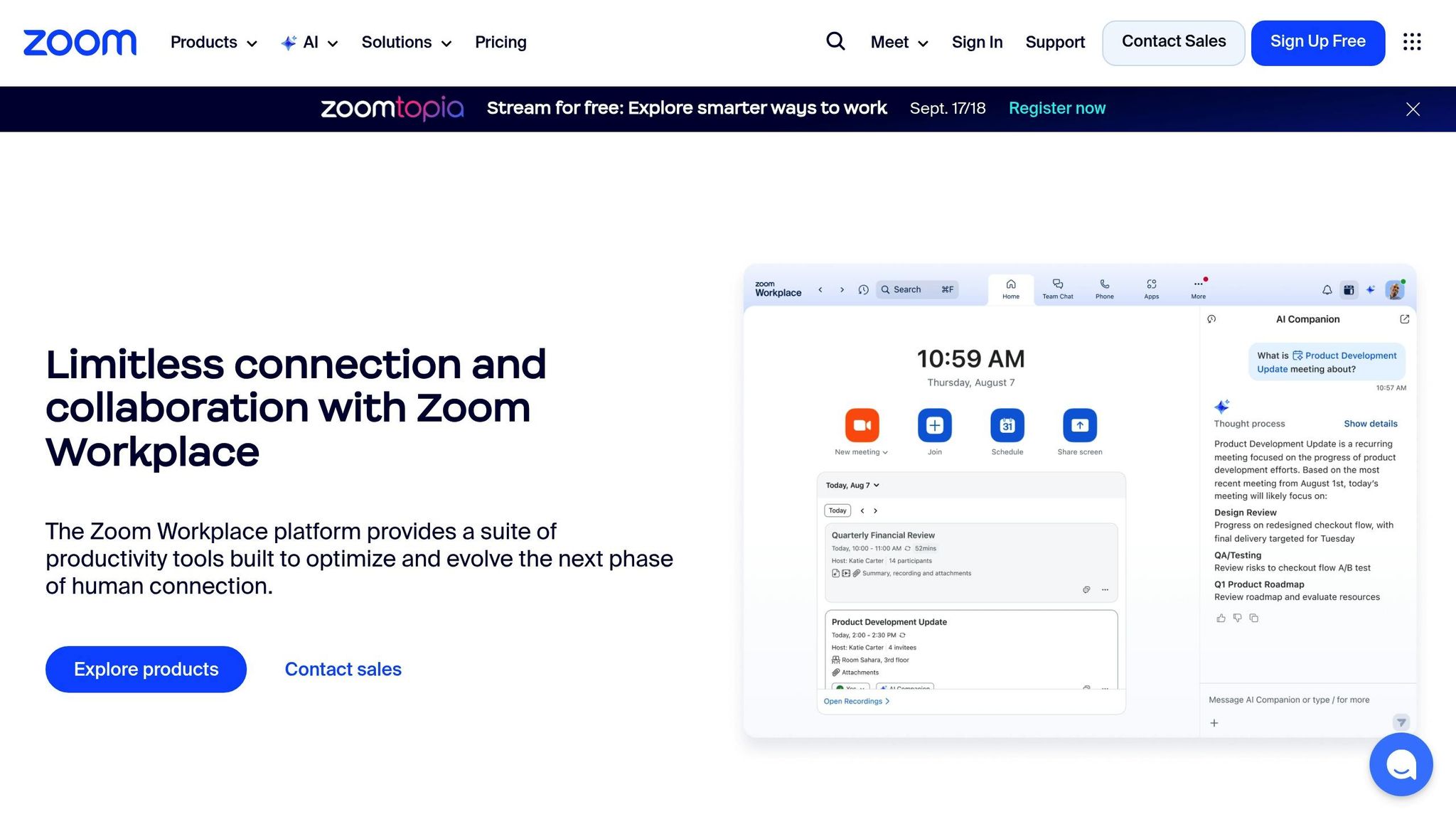
Zoom

Zoom offers the unique advantage of face-to-face interaction, even in a virtual setting. This allows coaches to build rapport and address objections in a more personal and impactful way. When handled correctly, Zoom calls can significantly boost conversion rates.

  • Pros: Video calls provide visual cues, allowing you to gauge the prospect’s body language and emotional responses. They also create a greater sense of commitment from the prospect.
  • Cons: Some prospects may feel self-conscious about appearing on video, which could deter them from booking the call.

Why Coaches Need a Business-First Mindset

One of the most striking points in the discussion was the distinction between being a coach and being a business owner. Many coaches identify as fitness trainers, life coaches, or career consultants first - and business owners second. However, this mindset can hinder growth.

To successfully scale, you must embrace the responsibilities of an entrepreneur. This means prioritizing sales, marketing, and client acquisition just as much as client delivery. As one expert put it, "You’re a business owner first and a coach second."

This mindset shift is critical because it aligns your actions with your goals. If you want to build a six- or seven-figure coaching business, you need to master the entrepreneurial skills that drive growth.

Action Steps for Scaling Your Coaching Business

If you’re ready to take your coaching business to the next level, here are some actionable steps to implement:

1. Commit to Real Conversations

  • Start integrating phone or Zoom calls into your sales process. Test each method for 30 days to determine which yields the best results for your business.
  • Make it a daily goal to speak to a specific number of prospects. The more conversations you have, the more sales you’ll close.

2. Focus on Data Collection

  • Develop marketing strategies that collect client data, such as name, email, and phone numbers. This will give you a pipeline of leads to follow up with.

3. Embrace Objection Handling

  • Understand that objections are not rejections - they are opportunities to address concerns and build trust. Practice handling common objections so you can approach sales calls with confidence.

4. Shift Your Mindset

  • Adopt the mindset of an entrepreneur. View sales and marketing as essential components of your business, not as tasks to avoid. Remember, every call you make is an opportunity to impact a life.

Key Takeaways

  • Human connection is irreplaceable: Building trust and accountability is essential for converting clients. Automation alone won’t cut it.
  • Prioritize phone and Zoom: These methods offer the best opportunities for building rapport and addressing objections in real-time.
  • Email and DM sales have limitations: While useful in some scenarios, they lack the personal touch required for high-ticket coaching sales.
  • Adopt a business-first mindset: Coaches need to view themselves as entrepreneurs and prioritize sales as a critical part of their role.
  • Objections are opportunities: Learning to handle objections effectively can significantly improve your sales success.
  • Test and iterate: Experiment with different sales strategies to determine what works best for your audience and business model.

Conclusion

Selling coaching services in 2025 requires a focus on authenticity, human connection, and a willingness to embrace the entrepreneurial side of your business. By integrating phone and Zoom calls into your sales process, you can build trust, address objections, and convert more clients - all while delivering the personal touch that sets your coaching apart. The path to scaling your business isn’t always easy, but with the right strategies and mindset, it’s absolutely achievable. Start connecting, and watch your business thrive.

Source: "How to Actually Sell Coaching in 2025" - Fitness Marketing Agency, YouTube, Sep 10, 2025 - https://www.youtube.com/watch?v=UnE3__UjI5k

Use: Embedded for reference. Brief quotes used for commentary/review.

Related Blog Posts

10-Day Mini Growth Course

Five-minute actionable lessons, delivered daily to your inbox.

Thank you! Your submission has been received!
Oops! Something went wrong while submitting the form.