Customer reviews can make or break your landing page. They build trust, show proof of results, and help convert hesitant visitors into paying clients. Here's the quick takeaway:
Focus on reviews that highlight specific results and outcomes, especially for coaching services, to build credibility and connect with potential clients. Keep them mobile-friendly and up-to-date for maximum impact.
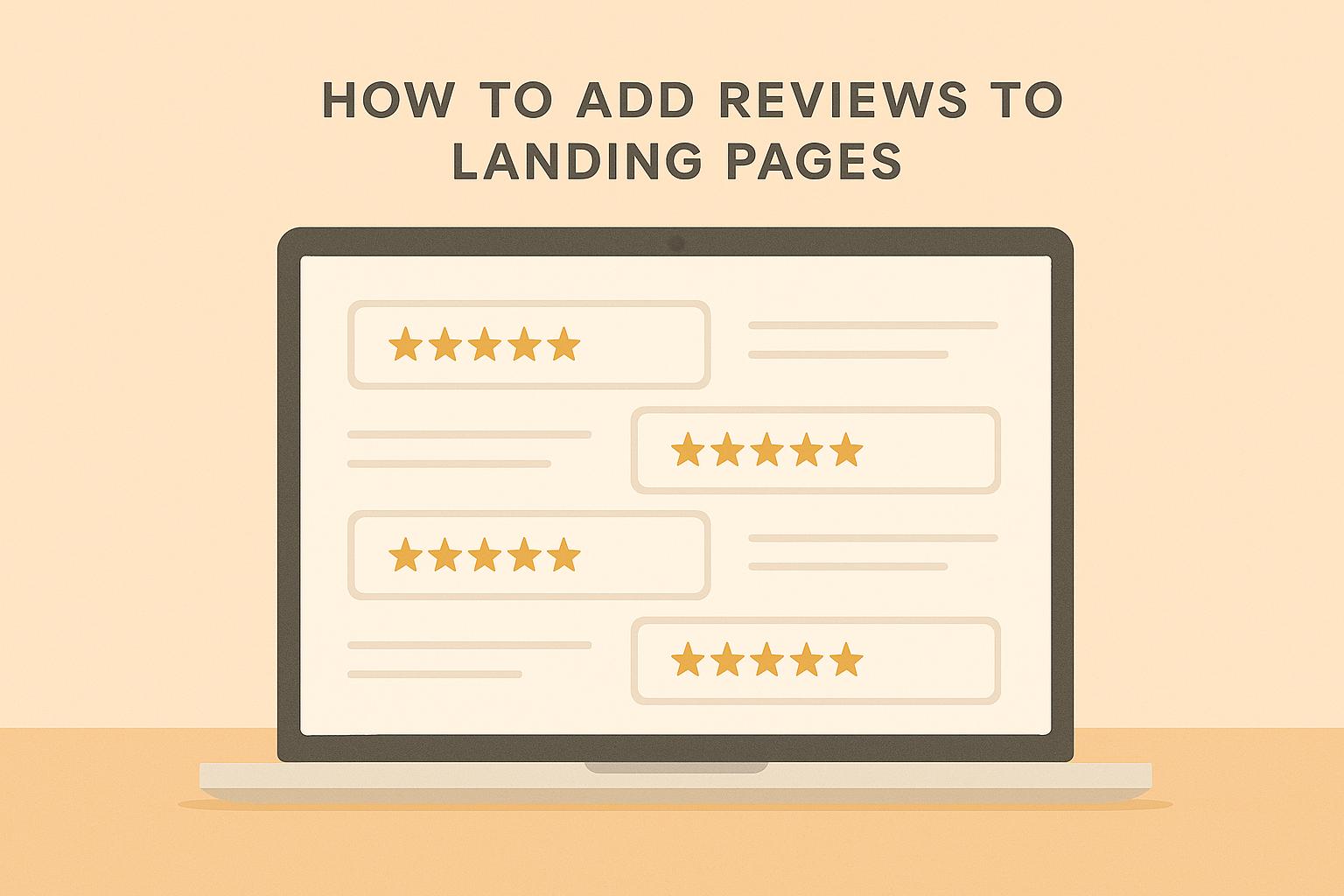
Integrating reviews into your landing page can significantly boost credibility and trust. The key is to keep the process straightforward and polished. Below, we’ll walk through some effective ways to display reviews, including embedding them directly from third-party platforms.
Platforms like Google My Business, Facebook, and Yelp make it easy to showcase reviews directly on your landing page. Many of these platforms offer embeddable widgets or integration tools that sync automatically with your latest reviews. For example:
If your site runs on platforms like WordPress or Squarespace, you can also use third-party tools or plugins to automate the display of reviews. This ensures your testimonials stay fresh without requiring manual updates.
Prefer more control over how your reviews appear? You can manually import testimonials from various sources into a database or spreadsheet. This approach is ideal if you want to curate and organize reviews yourself.
For those seeking automation, many services provide API integrations that pull in reviews as they’re submitted. These tools often come with pricing tiers but can save time, especially if you collect feedback regularly.
To make reviews visually appealing and aligned with your site’s branding, consider using plugins like Strong Testimonials or Testimonial Rotator. You can also categorize reviews by service type or client outcomes, helping visitors find the feedback most relevant to their needs.
If you’d rather have someone else handle the process, partnering with a professional service like Humble Help (https://humblehelp.studio) might be worth considering. They specialize in landing page optimization and review integration to ensure your social proof is presented effectively.
Plain text reviews are valuable, but adding visuals can take them to the next level. Incorporating customer photos, video testimonials, or branded graphics can make reviews more engaging and believable.
Here are a few ideas to enhance your reviews:
If your business involves transformations - like fitness coaching or home renovation - before-and-after visuals can be particularly compelling. Simple graphics showcasing results can leave a lasting impression.
Most landing page builders come with testimonial sections that support image and video uploads. For custom setups, ensure images are properly optimized to avoid slowing down your site. Fast-loading pages not only improve user experience but also help with SEO.
Once you've gathered reviews, it's all about showcasing them effectively. Thoughtful placement not only builds trust but also nudges potential customers toward taking action. Let’s dive into how to strategically position and present reviews for maximum impact.
Reviews work best when placed near key decision-making points. For instance:
Mobile users interact differently, so reviews need to be optimized for smaller screens. Here’s how to make them work seamlessly:
Organizing reviews with filters and tags makes it easier for users to find ones that resonate with their needs. Here’s how to do it effectively:
Easily showcase reviews on your landing page using specialized tools and plugins designed to simplify the process. With the right tools, you can automate review collection and display, pulling testimonials from various platforms to suit your needs.
Trustmary is a versatile review management platform that connects with Google Reviews, Facebook, Trustpilot, and over 85 other sources. It automatically imports and displays your top testimonials. Plus, its widget system integrates seamlessly with popular landing page builders like Unbounce, Leadpages, and ClickFunnels. Trustmary also includes A/B testing features, allowing you to experiment with different layouts to find the most effective design for conversions.
WiserReviews is an affordable WordPress plugin that pulls reviews directly from Google My Business. Its smart filtering system ensures only high-quality reviews are displayed by hiding those below a certain star rating and prioritizing recent feedback. This keeps your landing page updated with the most compelling social proof, without the need for manual curation.
Smash Balloon specializes in showcasing Facebook and Instagram reviews in visually engaging formats. With drag-and-drop tools, it integrates with page builders like Elementor and Divi, making it easy to align reviews with your brand's look and feel.
Boast focuses on video testimonials alongside written reviews, offering a unique approach. The platform automatically requests video reviews from customers and provides an embed code compatible with all major landing page platforms. This is especially impactful for service-based businesses, where seeing and hearing satisfied customers can create a stronger emotional connection.
ReviewBoard excels in multi-platform aggregation, pulling reviews from Google, Yelp, Facebook, and even industry-specific platforms. Its analytics dashboard helps you identify which types of reviews are driving the most conversions, enabling you to refine your display strategy over time.
While these tools cater to a broad range of businesses, coaches often need tailored solutions that emphasize detailed, outcome-driven testimonials.
For coaches, the focus isn't just on gathering reviews - it’s about showcasing detailed, transformation-focused testimonials. Unlike e-commerce businesses that rely on volume, coaches work with fewer clients and need to highlight specific results that resonate with potential clients.
Humble Help specializes in creating high-converting landing pages for coaches. Instead of generic review widgets, they craft custom testimonial sections that spotlight specific outcomes, such as revenue growth, career changes, or personal milestones. Their done-for-you and done-with-you options allow coaches to either delegate the entire process or collaborate with their team to learn how to manage testimonials effectively.
For coaches who already have websites, TestimonialTree offers a solution tailored to their needs. It organizes client feedback by niche, outcomes, and demographics, enabling visitors to filter testimonials based on their unique situations - whether they need help with business coaching, life coaching, or career transitions.
ClientSuccess Stories provides an all-in-one platform for service providers. Beyond displaying reviews, it tracks the customer journey from viewing testimonials to booking consultation calls. This insight helps coaches identify which testimonials are most effective at attracting qualified leads.
Coaches should opt for tools that emphasize detailed, outcome-focused testimonials to build trust and highlight their expertise.
When it comes to showcasing reviews on your landing page, the way you display them can make a big difference in how effectively they build trust and drive conversions. Choosing the right method depends on your goals, page layout, and audience preferences. Here’s a closer look at some popular options and their pros and cons.
Inline widgets embed reviews directly into your page content. This method weaves reviews seamlessly into the narrative, enhancing credibility without disrupting the flow. However, placement is key - poor positioning can interrupt the user experience, so careful curation is essential.
Popup reviews are triggered by user actions, appearing as overlays to grab attention. These are great for re-engaging visitors who might be on the fence, but they should be used sparingly to avoid annoying your audience. Overuse can lead to frustration, especially on mobile devices.
Sidebar displays keep reviews visible at all times, running alongside your main content. This constant presence of social proof can be especially effective on longer landing pages. It ensures that testimonials are always within view without disrupting the main message.
Dedicated testimonial pages provide a space to showcase detailed client success stories or case studies. While these pages allow for more in-depth storytelling, they require users to click away from the main page, which might not always be ideal for keeping their attention.
Each method comes with its own considerations, particularly when it comes to ease of setup, visibility, and mobile responsiveness. Inline widgets blend naturally into your page but need regular updates to stay relevant. Popups, on the other hand, are quick to implement but must be used thoughtfully to avoid overwhelming visitors. Platforms like ClickFunnels or Leadpages make it simple to integrate these features using drag-and-drop tools, while custom solutions offer more branding flexibility if you have the resources.
For the best results, you might consider combining methods. For instance, you could use inline widgets for immediate credibility, add floating badges for subtle reinforcement, and include a dedicated testimonial page for visitors who want to dive deeper into client success stories. By layering these approaches, you create a dynamic and engaging review experience that appeals to a variety of user preferences.
Adding reviews is all about strategically using social proof to guide potential clients toward making decisions. Different review display methods serve different purposes, so combining various techniques can create a well-rounded trust-building experience.
Start by systematically collecting reviews and integrating them with tools that match your technical expertise. Consistency in gathering and displaying reviews is key to driving results.
Place testimonials near critical conversion points - like call-to-action buttons, service descriptions, or pricing sections - to address any doubts your audience might have right when they're considering taking action.
For coaches, authentic reviews hold even more weight. Your work is personal and often transformational, so focus on testimonials that highlight specific outcomes and measurable results rather than general compliments. Potential clients want to see evidence that you can deliver the changes they’re seeking. These specific examples help create a cohesive story across your landing page.
Don’t overlook mobile optimization. With most traffic coming from mobile devices, make sure your reviews are easy to read and load quickly on smaller screens. Review widgets should work flawlessly across all devices to ensure a smooth user experience.
If you're just starting, keep it simple. Begin with basic testimonial sections and, over time, add features like filtering, star ratings, or dynamic displays. Many coaches find that straightforward, easy-to-read testimonials build more trust than overly flashy features.
These takeaways tie together earlier strategies for incorporating reviews. The ultimate goal is to create a seamless experience where social proof naturally reinforces your value and helps visitors feel confident about working with you.
For additional support, consider professional services like Humble Help. They specialize in crafting high-converting landing pages that seamlessly integrate social proof and other trust-building elements, helping coaches maximize their impact and connect with their audience more effectively.
Incorporating photos or videos into customer reviews on your landing pages can have a powerful effect. Visual testimonials tend to feel more genuine and relatable, which helps build trust and credibility with your audience. For instance, videos let potential customers see and hear real stories, making the reviews more engaging and impactful.
Plus, visuals naturally catch the eye quicker than plain text and convey messages more effectively. This not only draws people in but also increases the likelihood of turning visitors into customers. Showing real people sharing their honest experiences helps create a deeper emotional connection with your audience.
To keep the reviews on your landing page engaging and relevant, make it a habit to update them with fresh customer feedback. Featuring reviews from well-known platforms like Google or niche-specific sources can boost trust and make your page more persuasive.
You might also want to include dynamic features like real-time star ratings or notifications showcasing recent reviews. These elements not only grab attention but also demonstrate that your business genuinely values and highlights current customer experiences.
Organizing customer reviews thoughtfully can make them easier to navigate and more meaningful for your audience. Consider grouping reviews by factors like product features, relevance, or customer type. This approach helps visitors quickly locate feedback that aligns with their interests. Adding filters or tags - such as star ratings, review dates, or specific advantages - gives users the ability to sort reviews based on what matters most to them, making the process smoother and more engaging.
Highlighting standout reviews in a prominent way can also boost credibility and encourage more conversions. When reviews are easy to find and understand, potential customers are more likely to trust your brand and feel confident about choosing your product or service.
Discover strategies to elevate your business.