OpenAI has announced plans to introduce advertising within ChatGPT, marking the first time ads will appear in the popular conversational AI platform. The testing will begin in the United States in the coming weeks and will coincide with the U.S. launch of ChatGPT Go, a newly introduced low-cost subscription tier priced at $8 per month.
The introduction of ads is framed as a limited test, with OpenAI emphasizing a careful approach to ensure user trust and experience remain intact. Ads will appear only in specific contexts, at the bottom of a ChatGPT response, and will be clearly labeled and visually distinct from the AI-generated answers.
These ads will be relevant to the ongoing conversation and will remain dismissible. OpenAI stated that users will have control over ad personalization, with the option to turn it off completely. Additionally, strict limitations have been placed on where and how ads may appear. For example, ads will not be shown to users under 18 or in conversations involving sensitive topics like health, mental health, or politics.
To further protect user privacy, OpenAI clarified that user conversations will not be shared with advertisers, and no user data will be sold.
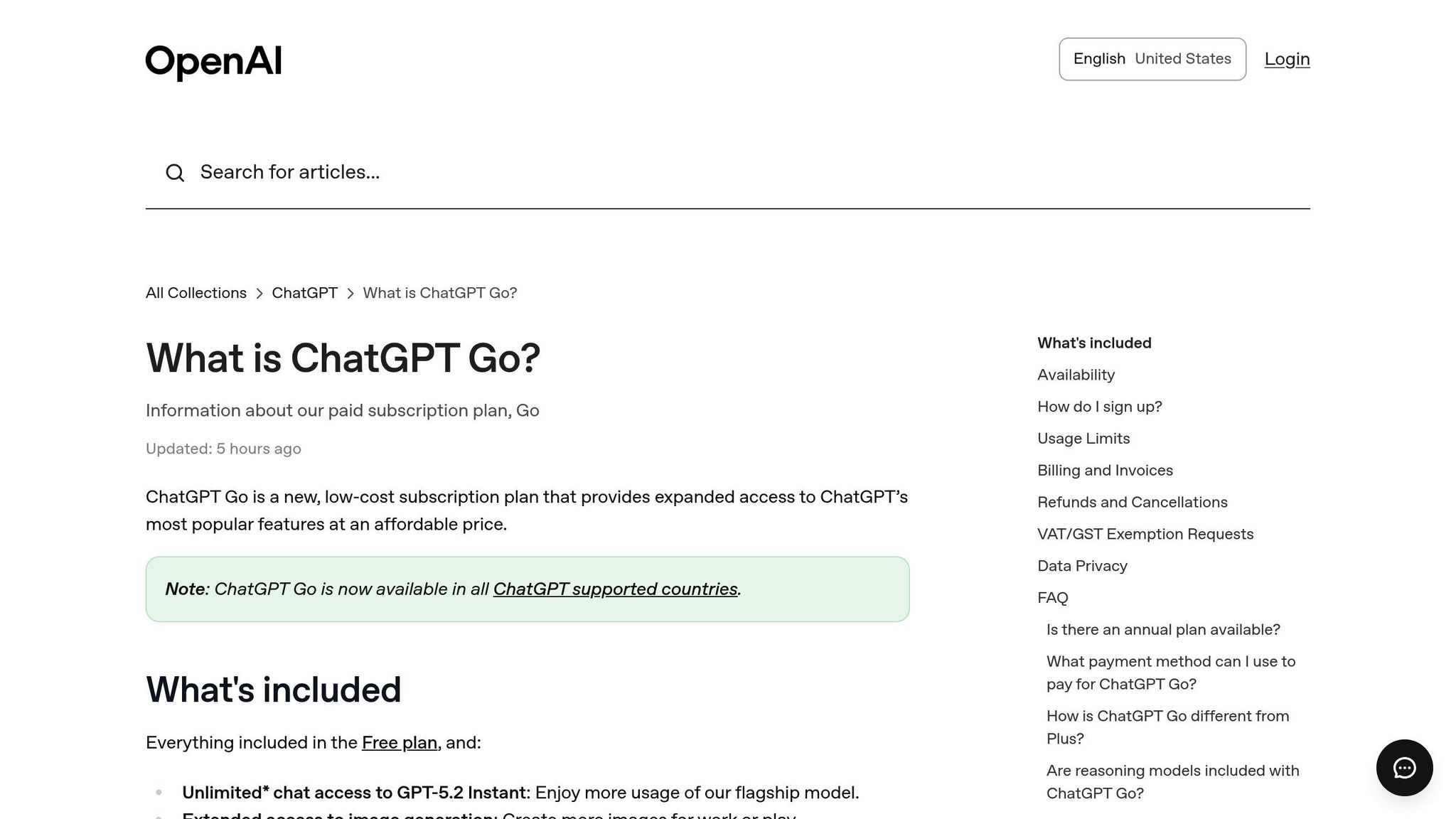
The timing of this advertising test aligns with the U.S. rollout of ChatGPT Go. This new subscription tier, priced between the free and premium plans, offers users added features such as expanded access to messaging, image generation, file uploads, and memory. OpenAI has positioned ads as a way to support both free and Go-tier users by enabling broader access to ChatGPT’s capabilities without requiring an upgrade to higher subscription levels.
However, OpenAI also reassured users of its premium offerings by confirming that Pro, Business, and Enterprise subscriptions will remain ad-free. This reflects the company’s commitment to providing uninterrupted experiences for those opting for higher-cost plans.
OpenAI has taken steps to differentiate its approach to advertising. The company was explicit that ads will not influence the AI’s responses, stating that ChatGPT’s answers are optimized for usefulness, not for commercial outcomes. Unlike other platforms where advertising can lead to engagement-driven incentives, OpenAI emphasized that its focus is not on metrics like time spent or maximizing user interaction with ads.
"This is a notable departure from how advertising has historically been introduced elsewhere on the internet", the announcement explained. By defining these rules from the outset, OpenAI is attempting to set a high standard for integrating ads into AI-first platforms.
OpenAI shared examples of the types of ads it plans to test during this initial phase. In one, a ChatGPT response suggesting recipes for a Mexican dinner party includes a clearly labeled sponsored product recommendation for a grocery item. In another, a conversation about traveling to Santa Fe, New Mexico, features a sponsored listing for lodging options. In both cases, the ads are shown at the bottom of the response, distinct from the main content, and allow users to continue their interaction with ChatGPT.
For advertisers, this test represents a potential new channel for connecting with audiences during high-intent, problem-solving conversations. However, OpenAI has not yet provided details on advertising models, targeting options, or measurement frameworks. The company has also made it clear that this is not yet an open marketplace for advertisers, and the current testing phase is focused on assessing how ads can coexist with user expectations and trust.
While advertisers may see potential in this format, OpenAI’s cautious approach reflects an awareness of the risks involved in monetizing conversational AI. Industry reactions to the announcement have so far been measured, with some expressing curiosity and skepticism about whether relevance and user trust can be maintained over time.
OpenAI’s introduction of advertising signals a broader shift in how AI platforms might approach monetization. By using ads to support free and lower-cost subscription tiers while preserving paid, ad-free options, the company is testing a revenue model that prioritizes access and trust over traditional ad-driven incentives.
OpenAI has emphasized that user feedback will play a key role in shaping how ads evolve within ChatGPT. For now, the test is focused on the U.S., and the company will adjust its approach based on the results of this early experimentation.
Whether OpenAI’s approach to ads will succeed in preserving trust and engagement within conversational AI systems remains to be seen, but its transparency and upfront limitations set a precedent for how AI-driven platforms might balance monetization with user value in the future.
Discover strategies to elevate your business.