Local Search Engine Optimization (SEO) is no longer a "nice to have" for small and local business owners - it’s a necessity. The way customers find businesses today is evolving rapidly, especially with shifts in Google’s algorithms and AI-driven search enhancements. Managing your Google Business Profile (GBP) effectively has become a cornerstone of local SEO success. This article, based on insights from a conversation with Darren Shaw, a leading expert in local SEO, explores transformative strategies to optimize your GBP, busts common myths, and reveals actionable tips to improve visibility and lead flow in 2026.
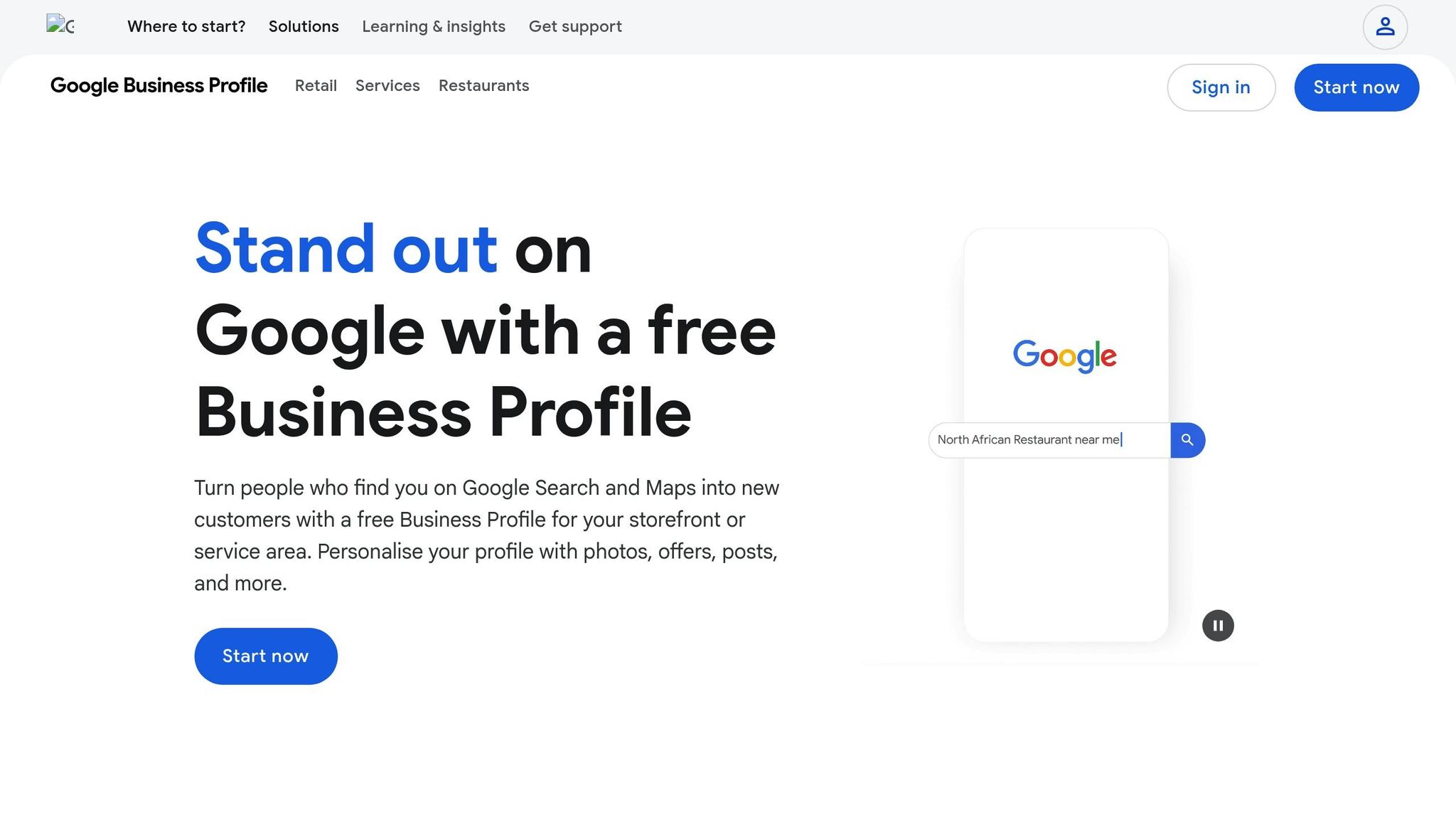
For local businesses aiming to dominate their local search landscape, the Google Business Profile acts like a mini website - a condensed yet powerful showcase of your business. It’s the first impression many potential customers will have of your company, especially on mobile devices. Optimizing this profile is no longer optional; it’s the key to ranking higher in local search results and attracting more customers.
According to Darren Shaw, founder of Whitespark and a leader in local SEO research, local search ranking factors evolve constantly. The newest iteration of Whitespark’s research on the most impactful ranking factors in 2026 reveals actionable insights that can help small businesses stay competitive. Below, we break down these strategies and the essential steps every business owner should take.
The single most influential factor in ranking locally is selecting the correct primary category on your GBP. This choice directly impacts how Google understands your business and matches you with relevant searches. For example:
Pro Tip: Be precise and specific with your primary category to increase your chances of ranking for your most important services.
Proximity remains a major ranking factor. Businesses closer to the searcher will outrank those located farther away. While this might feel like a limitation, it underscores the importance of location strategy if you want to expand your reach:
Key Insight: Expanding your physical footprint with legitimate, properly optimized locations is the only way to overcome the proximity barrier.
Including relevant keywords in your business name remains highly impactful - but proceed with caution. While this tactic can give you a significant boost in rankings, businesses that artificially "stuff" their names with keywords risk suspension from Google.
Legitimate Approach: If keywords are core to your brand identity, consider rebranding officially with government filings, updated signage, and consistent citations across the web.
For service-area businesses (e.g., plumbers, landscapers), hiding your address on your GBP can negatively impact rankings. Although Google's guidelines suggest hiding addresses for such businesses, having a visible address often improves your standing in search results.
Pro Tip: If possible, maintain a physical address with proper signage to benefit from this ranking signal.
Gone are the days when businesses could rely solely on a large number of reviews to dominate rankings. In 2026, review recency has become a critical factor. Google prioritizes businesses that consistently receive fresh reviews over time.
Actionable Tip: Incorporate review requests into your workflow. For example, service businesses can ask for reviews immediately after completing a job.
Your GBP allows you to list additional categories and services. While the primary category has the most weight, your additional categories signal Google about the breadth of your offerings.
Your website directly influences your GBP rankings. Use localized content to strengthen your signals:
However, avoid cluttering your site with thin or duplicate content. Use tools like AI to create unique, high-quality pages for each location.
Real customer photos and videos on your GBP elevate your profile and engage users. Google favors profiles with authentic content.
Key Insight: Videos autoplay in the Google Maps app, making them an attention-grabbing element.
Not everything you hear about local SEO is true. Darren Shaw debunked several persistent myths:
In 2026, local SEO success hinges on a combination of precision, consistency, and authenticity. From choosing the right primary category to maintaining a steady stream of fresh reviews, there are clear actions small businesses can take to stand out in local searches. By optimizing your Google Business Profile with these strategies, you can enhance your visibility, attract more customers, and ultimately grow your business.
Staying informed about changing trends, as highlighted in Whitespark's latest research, ensures your local SEO efforts remain impactful in an ever-evolving digital landscape. Implement these tips today and position your business for sustained success in local search!
Source: "Local SEO Masterclass: Darren Shaw on Ranking Factors, Reviews, and Google Business Hacks" - Edward Sturm, YouTube, Dec 2, 2025 - https://www.youtube.com/watch?v=1awWMG1e5kY
Discover strategies to elevate your business.