Want to connect with seniors in your community? Local SEO is the key. Seniors are increasingly online, with 73% of those aged 65+ using the internet. They often search for local services like healthcare, retail, or home care. To stand out, your business needs to be visible, trustworthy, and easy to find. Here’s how:
Understanding how seniors use search engines and make purchasing decisions is essential for businesses aiming to connect with this audience. Their online habits and preferences differ from younger generations, requiring a thoughtful approach to local SEO and website design.
Seniors are active online users with distinct search habits. A surprising 86% of seniors spend at least six hours online daily[3], making them an important audience to reach. They often turn to search engines for practical needs like checking local weather, researching medications or doctors, and finding businesses through online directories like "yellow pages"[2].
One key difference is their search style. Seniors tend to use highly specific keywords to get precise results. For instance, they might type something like, "24-hour pharmacy near downtown Springfield with prescription delivery." This tendency to be detailed in their searches is something businesses should consider when optimizing for local SEO. Additionally, 82% of digital-savvy seniors use smartphones daily[3], highlighting the importance of mobile-friendly websites.
Beyond basic searches, seniors engage in a variety of online activities: 91% use the internet to stay connected with family, 87% manage their finances, and 73% look up health information[3]. Video content is also a hit with this group - 88% of adults aged 55 and older watch YouTube weekly[3]. This means businesses can benefit greatly from integrating video content into their local SEO strategies.
These habits underline the importance of creating user-friendly, accessible websites that cater to seniors' needs and build trust.
For seniors, trust is a cornerstone of online engagement. With over 60% of Americans aged 65 and older experiencing difficulty with close vision[6], website design must prioritize accessibility.
To enhance readability, use at least 12-point fonts and high-contrast colors, like black text on a white background[5]. Simplify navigation by providing single-click access to essential information, minimizing scrolling, and using clear headings with plenty of white space[5]. Given that many seniors rely on smartphones and tablets, ensuring your site is mobile-optimized is non-negotiable.
Security is another critical factor. Seniors are often cautious about scams and privacy issues. Features like visible security badges, HTTPS encryption, and clear privacy policies can go a long way in easing their concerns[8][9].
Social proof also plays a big role. With 96% of those aged 50–65 having internet access[4], testimonials and reviews can significantly influence their decisions. Highlighting customer feedback and making it easy for satisfied users to share their experiences adds credibility to your business[7][8].
Finally, clear and straightforward communication is key. Avoid technical jargon and use visuals to explain complex ideas. Display phone numbers prominently, as many seniors prefer direct conversations before making a decision. Offering multiple ways to get in touch - whether by phone, email, or chat - can further strengthen their trust in your business.
Understanding how seniors search for services is key to connecting with them online. Their search habits often focus on practical needs and local solutions, making it essential to tailor your keyword strategy accordingly.
Seniors tend to use search engines in a direct and specific way, often typing out detailed queries that reflect their immediate needs. These searches frequently include geographic terms like city names, neighborhoods, or landmarks to find local services. For example, you might see searches like "senior services near me", "in-home care in [City]", or "transportation for seniors near [neighborhood]" [10].
Longer, more descriptive keywords - known as long-tail keywords - are especially common among seniors. Instead of a broad term like "doctor", they might search for something like "geriatric doctor accepting Medicare in downtown Springfield" or "affordable in-home care for seniors in [city]" [10]. These detailed searches often signal a strong intent to take action, making them highly valuable for businesses targeting this audience.
To identify these keywords, start with tools like Google's autocomplete feature. Type in your main keyword with variations like "near me", "for seniors", or "in [your city]" to see what suggestions pop up. These are real searches happening in your area and can guide your strategy [10].
Local forums, social media, and community news can also provide insights into how seniors talk about their needs. This research helps uncover phrases and terms that might not show up in traditional keyword tools [10].
In April 2025, Scott Group Consulting highlighted the importance of tools like Google Keyword Planner, SEMrush, and Ahrefs for finding high-traffic keywords with a local focus. They recommended incorporating location-specific terms such as "senior living homes in [Your City]" and "assisted living in [Your City]" into essential parts of your website, like page titles and meta descriptions, to improve local search visibility [14].
Competitor analysis is another effective method. By examining the keywords your competitors rank for using tools like SEMrush or Ahrefs, you can discover additional opportunities to reach your audience [10].
These strategies lay the groundwork for improving your local search rankings and connecting with senior customers. Once you’ve identified the right keywords, the next step is to create content that resonates with your local audience.
After pinpointing the best keywords, the focus shifts to weaving them into content that feels relevant and meaningful to your local community. This involves creating content that reflects local events, specific neighborhoods, and the unique needs of seniors in your area.
One effective approach is to develop location-specific landing pages. For instance, a home healthcare service might create pages like "Senior Care Services in Downtown Springfield" or "Elderly Support in Riverside Heights", tailoring each to reflect the characteristics and concerns of those areas.
Connecting your content to local events and issues can also make your brand more relatable. Consider writing blog posts about topics like senior center activities, health fairs, or seasonal challenges such as preparing for flu season. This type of content not only incorporates your targeted keywords but also engages seniors on a personal level [11].
For example, a bakery in Austin might use keywords like "best bakery in Austin", "Austin bakery delivery", or "custom cakes", while a plumber in San Francisco could focus on "plumber San Francisco", "emergency plumber 94102", or "San Francisco plumbing services" [13]. These examples demonstrate how pairing services with specific locations aligns with local search habits.
It’s also important to adapt your keyword strategy over time. Search trends can shift based on seasons, events, or community changes. For example, a senior transportation service might see a spike in searches for "rides to vaccination sites" during flu season or "transportation to polling places" around election time [11].
When crafting local content, aim for natural, conversational language that mirrors how seniors in your area speak and search. Tools like Google Keyword Planner can help you find phrases that resonate with your audience [12]. The goal is to create content that feels personal and relevant, fostering trust and connection with your brand [12].
Finally, remember that local SEO often hinges on combining services with location-specific modifiers like "near me." Incorporate these keywords in a way that feels organic, avoiding overuse or keyword stuffing. Instead, focus on delivering helpful, engaging content that genuinely addresses the needs of senior readers [11].
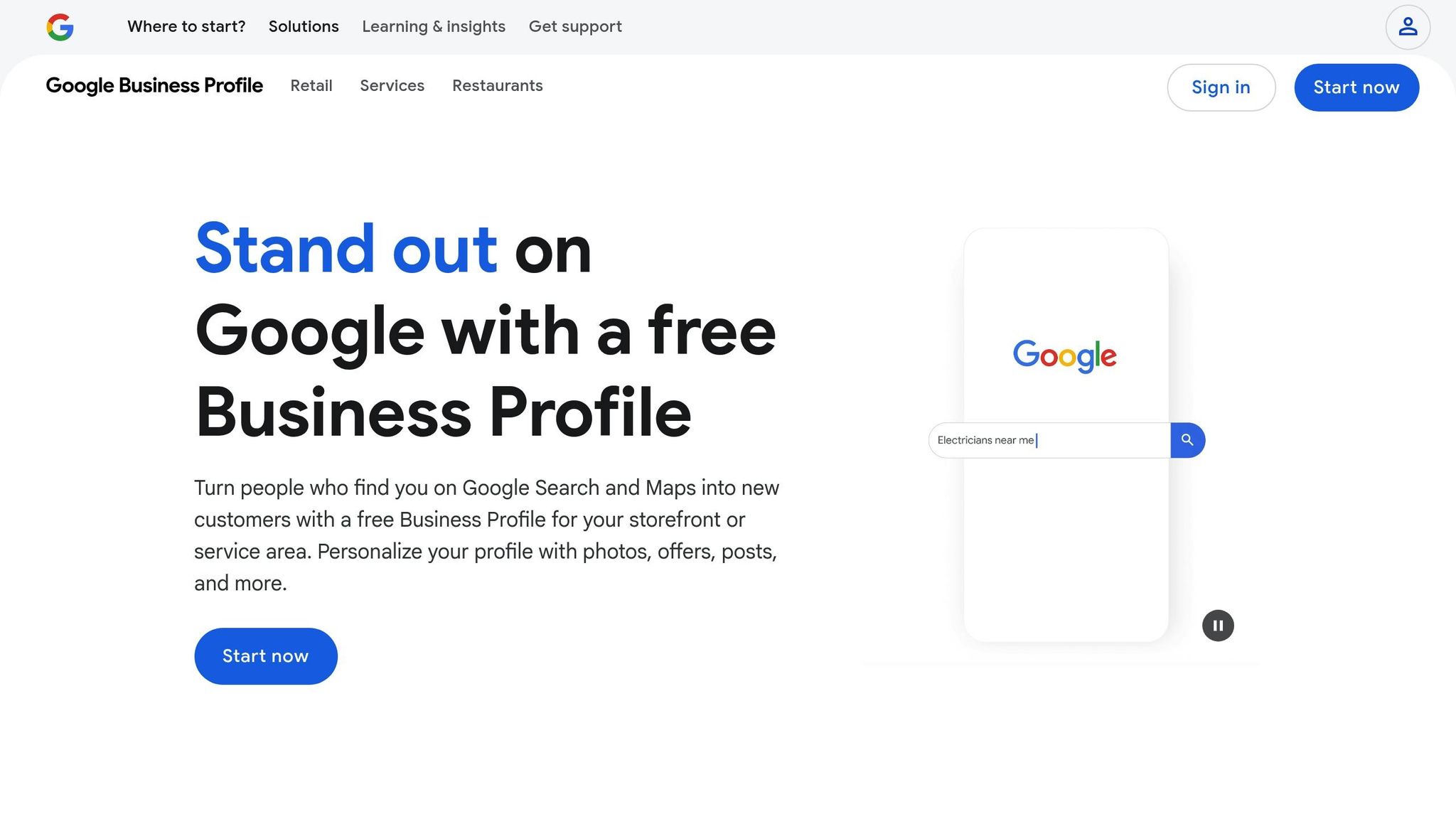
Your Google Business Profile acts as your online storefront, connecting you with local customers. With 93% of local searches displaying the local-3 pack and 4 in 5 users searching with local intent, an optimized profile can make all the difference when reaching senior customers [16]. To stand out, ensure your profile details and visuals are tailored to meet the needs of seniors.
An accurate and consistent Google Business Profile starts with your NAP - Name, Address, and Phone number. Any inconsistencies across platforms can confuse potential customers and harm your visibility in search results. Make sure your business name matches exactly with your storefront and any online listings.
Seniors often look for specific details that make their visits easier. Keep your business hours up to date, including changes during holidays, so they can plan their trips without hassle.
Accessibility information is especially important. Highlight features like wheelchair access, designated parking, and available Wi-Fi to give seniors confidence in visiting your location. These small details can make a big difference.
In your business description, use straightforward, easy-to-understand language. For instance: "We provide in-home care services for seniors, including meal preparation, medication reminders, and companionship." Avoid jargon or overly technical terms that might create confusion.
Photos are another key component. High-quality images of your storefront, interior, and team members can create a welcoming and trustworthy impression. Seniors appreciate being able to see what to expect, so ensure your photos are clear, well-lit, and inviting.
Once your profile is accurate and accessible, shift your focus to managing and responding to customer reviews to build trust.
Reviews play a crucial role in earning the trust of senior customers. Many rely on others' experiences to make decisions, and the numbers back this up: 83% of people read Google reviews of local businesses, and 75% check reviews when searching for services [15][16]. A strong review strategy can help reassure seniors considering your business.
Encourage satisfied customers to leave reviews. A simple request like, "If you enjoyed our service today, we’d love it if you could share your experience on Google to help other families in the area," can go a long way.
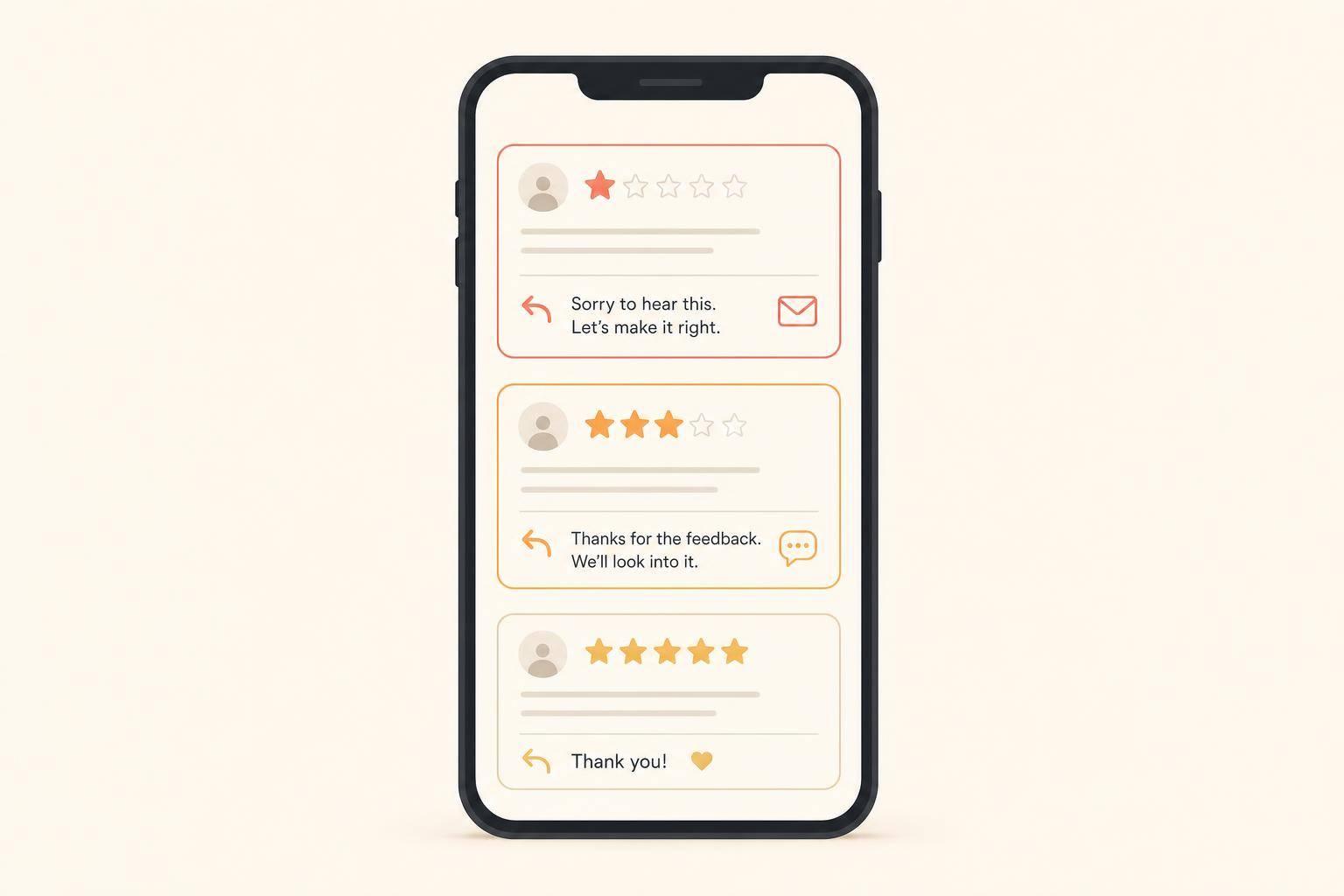
Responding to reviews - both positive and negative - is equally important. Thanking customers for positive feedback shows your appreciation, while addressing concerns in negative reviews demonstrates professionalism and a commitment to improvement. For example, if a customer praises your staff for their patience, acknowledging that feedback signals to other seniors that you understand their needs.
When dealing with negative reviews, maintain a calm and professional tone. Offer to resolve issues offline, as seniors value businesses that handle problems thoughtfully rather than defensively. A well-crafted response can even turn a negative experience into an opportunity to strengthen your reputation.
Keep your profile active by regularly posting updates through Google Posts. Share announcements about new services, special offers tailored to seniors, or other timely information to encourage engagement and visits.
If managing your Google Business Profile feels overwhelming, companies like Humble Help specialize in optimizing profiles to attract and engage senior customers effectively, allowing you to focus on running your business.
In addition to using Google Business Profile, tapping into local directories and forming partnerships within the senior community can create additional opportunities for seniors to discover your services. These channels often act as trusted resources, providing a sense of familiarity that many seniors appreciate, while also building the credibility needed to attract this audience.
Local directories function like modern-day phone books, offering an organized and familiar way for seniors to find services. Some well-regarded directories include A Place for Mom, Caring.com, SeniorAdvisor.com, Seniorly.com, and the Eldercare Locator[23]. These platforms typically provide tools like search filters, verified reviews, background checks for providers, and transparent pricing details, all of which help seniors make informed decisions.
For example, Seniors Blue Book has been a trusted resource for seniors and caregivers since 1983, listing options such as assisted living, memory care, nursing homes, retirement communities, and local senior services[24]. In April 2025, they reported that businesses upgrading their listings often experience increased leads, better engagement, and greater visibility through features like custom blogs, social media highlights, and storytelling opportunities that help families connect emotionally with services.
"Establish your business's credibility by ensuring your information is displayed accurately on top senior care citation sites. This is crucial for building consumer trust and improving your online discoverability." – Synup.com [17]
To optimize your listings, ensure that your NAP (Name, Address, Phone number) details are consistent across all directories. Even minor discrepancies can confuse potential customers and harm your search rankings. Claim your business listings to maintain full control over your information[18].
Complete your profiles with detailed descriptions of your services, high-quality photos, your logo, and any certifications you hold. Seniors value comprehensive information that gives them a clear idea of what to expect before they reach out.
Keep your listings updated regularly - ideally monthly or quarterly - to reflect any changes in hours, services, staff, or contact details. Adding fresh photos periodically can also attract attention and show that your business is active and well-maintained[18].
Pay close attention to reviews on these platforms and respond promptly. Seniors appreciate businesses that address feedback professionally and resolve concerns quickly[19]. If your target audience values caregiver certifications, prioritize directories that verify these credentials[23].
With accurate and up-to-date listings in place, you can further expand your visibility by building connections within your local senior community.
Community partnerships can complement your local SEO efforts by strengthening your offline presence. Senior centers, in particular, serve as trusted hubs for older adults seeking services and resources[21]. These relationships not only enhance your visibility but also build trust - something seniors prioritize when choosing service providers.
Finding the Right Partners
Look beyond the obvious choices like senior centers and medical offices. Consider collaborating with libraries, faith-based organizations, fitness centers, nonprofits, local colleges, adult day care centers, or support groups[20]. Think about where seniors spend time outside of healthcare settings.
For example, the Area Agency on Aging of Pasco-Pinellas, Inc. partnered with CARES, Inc. to use the CARES Rao D. Musunuru M.D. Enrichment Center as a site for CDSME workshops. This partnership has been active for over 20 years, demonstrating the long-term benefits of meaningful collaborations[21].
Similarly, the University of North Carolina at Asheville, an ACL grantee, partnered with the Davidson County Senior Center in Lexington to promote evidence-based programs. The center’s designated coordinator, certified in several CDSME and fall prevention programs, acts as a bridge between the center and senior participants[21].
Building Relationships
Start by approaching potential partners with genuine interest in their mission[20]. Learn about their challenges and explore ways you can support them. This approach fosters stronger, more lasting collaborations.
Offer free educational workshops on topics like "Home Modifications for Safety" or "Technology Tools for Aging in Place"[20]. For instance, Active Generations in Sioux Falls, South Dakota, provides activities and resources for both seniors and their caregivers, recognizing the vital role caregivers play[21].
You can also host community events, such as "Senior Tech Days", or team up with local police and fire departments to launch initiatives like a "Senior Safety Squad". Another idea is to organize intergenerational storytelling events by partnering with schools, where seniors can share their life experiences with younger generations[20].
Collaborating for Greater Reach
Work with your partners to cross-promote on social media by sharing each other’s content or co-hosting Facebook Live events. Create joint resource guides - whether as downloadable PDFs or printed booklets - that combine expertise from both organizations. These efforts not only broaden your reach but also provide valuable resources to the community.
Ask your partners to link to your website from their resource pages[22]. Additionally, participating in or sponsoring local events and charitable initiatives can help you earn backlinks from event websites while contributing to the community[22].
For businesses looking to streamline their local directory management and community partnership efforts, Humble Help offers specialized local SEO services. They can assist with maintaining consistent listings across platforms while fostering meaningful partnerships that resonate with senior customers.
Effectively managing local SEO requires the right tools. Research highlights that 76% of people conducting local searches visit a business location within a day, and 28% eventually make a purchase [26]. This shows just how critical it is to select the right tools, especially when trying to connect with seniors in your community.
For small businesses, the ideal tools combine simplicity with useful features. With local SEO delivering an average ROI of 748% [31], it’s clear why investing in the right resources pays off. Below, we’ll explore affordable tools that simplify listing management, review handling, and overall SEO performance.
When targeting seniors, focus on tools that excel in three key areas: optimizing your Google Business Profile (GBP), managing reviews, and handling local directory listings. These elements are essential for building trust and offering detailed, accurate information.
Before diving into paid options, take advantage of free tools that provide foundational insights:
When you’re ready to invest, several budget-friendly tools can deliver impressive value:
If you’re looking for a more comprehensive solution, mid-range tools offer all-in-one platforms with expanded features:
For businesses ready to scale, advanced platforms provide additional capabilities:
| Tool | Starting Price | Best For | Key Features |
|---|---|---|---|
| Moz Local | $14/month | Basic listing management | Automated duplicate deletion, directory submissions |
| WhiteSpark | $1/month per location | Citation building | Reputation management, local citations |
| Ahrefs | $29/month | SEO analysis | Keyword research, competitor tracking |
| SE Ranking | $65/month | All-in-one local SEO | Comprehensive local marketing dashboard |
| BrightLocal | Custom pricing | Local SEO audits | Citation building, performance tracking |
| SEMrush | $139.95/month | Multi-channel marketing | SEO, social media, advertising management |
Inbound leads generated through SEO cost 61% less than outbound leads [31], making local SEO tools a smart investment. To evaluate your tools’ effectiveness, track metrics like local search traffic, lead generation, and conversion rates [29].
"Local SEO helps small businesses get discovered by customers in their area at the exact moment they're searching for a product or service."
- Strato Doumanis, Chief Technology Officer and Creative Director of MediaCutlet [1]
If managing these tools feels overwhelming, outsourcing can be a cost-effective alternative. Outsourcing firms often deliver results at 30–70% lower costs compared to in-house SEO teams [30]. For example, Humble Help offers local SEO and GBP optimization services, combining human expertise with your existing toolset to maximize your results.
Begin with free tools to establish a baseline, then gradually invest in paid solutions that align with your business needs. Since 92% of consumers believe responding to reviews is part of great customer service [25], prioritize tools with strong review management features. This is especially important when serving senior customers, as trust and clear communication are key.
Connecting with seniors through local SEO begins with understanding their online habits. With 75% of Americans aged 65 and older actively using the internet [35], there’s a significant opportunity to engage this audience. Seniors prioritize trust, clear communication, and a sense of local connection.
Start by claiming and optimizing your Google Business Profile with accurate, up-to-date details. This simple yet powerful step can greatly improve your visibility. For example, Blakeford in Nashville, TN, saw a 50% increase in traffic after optimizing their local search presence [34]. This highlights how impactful local SEO can be [35].
Beyond the basics, focus on fostering trust through reviews and testimonials. Alaina Kamppila, a Senior Living SEO Strategist, explains the importance of these elements:
"Senior living falls into what we call the 'your money, your life' category, meaning the decisions these users are making directly impact the happiness, stability, and health of themselves or a family member. This is where reviews and testimonials make the most impact. By building your reviews you're not only building trust in your community and services, you're also helping your local visibility. It's a win-win!" [34]
Encourage customers to leave reviews and respond to them promptly to strengthen this trust.
Make sure your website is mobile-friendly - especially since 63% of organic visits now come from smartphones [35]. Keep your NAP (Name, Address, Phone) details consistent across all platforms [34]. Additionally, create targeted landing pages with clear calls to action, like “Schedule a Tour” or “Contact Us Today” [34].
If managing these steps feels overwhelming, consider handling local SEO in-house or collaborating with professionals like Humble Help. The key is to take action.
Start small by optimizing your Google Business Profile, then expand to include keyword research and local directory listings. Remember, local SEO isn’t just about improving rankings - it’s about building trust and meaningful relationships with seniors who value reliability and local expertise.
To design a website that's easy for seniors to use, prioritize high-contrast color schemes, large, readable fonts (12-point or larger), and straightforward navigation that reduces the need for excessive clicks or complex decisions. Make sure text can be resized and avoid using color alone to communicate important information.
Additional tips include establishing a clear visual hierarchy, providing options to enlarge text, and ensuring all content is simple to understand. These adjustments create a more welcoming experience, allowing seniors with vision challenges to navigate and engage with ease.
Encouraging seniors to share online reviews begins with simplifying the process. Offer clear, step-by-step instructions, and include direct links to your review platform to make it easy for them to navigate. Personal requests can go a long way - whether you ask in person or over the phone, timing it when they’re expressing satisfaction with your service can make a big difference.
Be mindful not to offer incentives, as this goes against Google’s policies. Instead, focus on fostering a positive and respectful interaction. Highlight how their feedback can help others make informed decisions. By keeping things simple and showing heartfelt appreciation, you can encourage more seniors to share their experiences online.
Local businesses have a great opportunity to connect with seniors and increase their visibility by working with senior centers and community organizations. Whether it's sponsoring events, supporting programs that promote active lifestyles, or co-hosting activities like gardening, cooking classes, or book clubs, these partnerships can create genuine relationships with the senior community.
Getting involved in local events and initiatives not only helps businesses build a positive reputation but also shows their dedication to the community. Teaming up with well-established organizations that seniors already trust adds an extra layer of credibility and helps nurture lasting relationships.
Discover strategies to elevate your business.